





The Familiar Ache of Progress
We’ve all been there. A day or two after an ambitious leg day, the simple act of sitting down becomes a carefully planned manoeuvre. This familiar feeling is Delayed Onset Muscle Soreness, or DOMS. In fitness culture, it's often seen as direct proof of a workout's
effectiveness—a sign that your muscles were pushed hard enough to rebuild stronger. Many believe that if you aren't wincing with every step, you didn't work hard enough. This mindset treats pain not as a side effect, but as the primary goal, leading people to chase that next-day burn.
What is Muscle Soreness, Really?
DOMS is the muscular pain and stiffness that typically peaks between 24 and 72 hours after strenuous or unaccustomed exercise. It’s caused by microscopic tears in your muscle fibres, particularly from eccentric movements (like the lowering phase of a squat or bicep curl). In response to this micro-trauma, the body initiates an inflammatory repair process, sending fluid and nutrients to the area to heal and reinforce the muscle fibres. It’s this repair process, not lactic acid as once believed, that contributes to the tenderness and aching we associate with a tough workout. This soreness is a normal response, especially when trying a new activity or increasing intensity.
The Myth: More Pain, More Gain?
Here's where the common wisdom goes wrong: while soreness indicates you've stressed your muscles, it is not a reliable indicator of muscle growth or a successful workout. Research has shown that muscle growth (hypertrophy) can occur without any significant soreness. The connection between the two is surprisingly weak. As your body adapts to a specific exercise routine, you will naturally experience less soreness, even while you continue to get stronger and build muscle. Therefore, using soreness as your main gauge for progress is flawed. An entirely new exercise can leave you sore for days without contributing much to long-term growth, while a familiar, effective workout might leave you feeling fine.
When Soreness Becomes a Problem
Chasing extreme soreness can be counterproductive. When you’re so stiff and achy that you can barely move, your ability to train again is compromised. This can reduce your overall training frequency, which is a key driver of long-term progress. Furthermore, trying to work out while still severely sore can lead to poor form, as your body compensates to avoid pain. This not only makes the workout less effective but also significantly increases your risk of injury. While mild soreness is generally fine, severe pain that limits your daily function is a sign that you likely overdid it, not that you had a breakthrough session.
Better Signs of an Effective Workout
Instead of focusing on pain, look for more reliable indicators of progress. The most important sign is progressive overload—the ability to gradually do more over time. This could mean lifting slightly heavier weights, completing more repetitions with the same weight, or performing an exercise with better control and form. Other positive signs include feeling more energized after your workouts (not completely wiped out), quicker recovery between sessions, and better sleep quality. Even noticing that everyday tasks like carrying groceries or climbing stairs feel easier is a fantastic, real-world sign that your training is paying off.
Train Smart, Not Sore
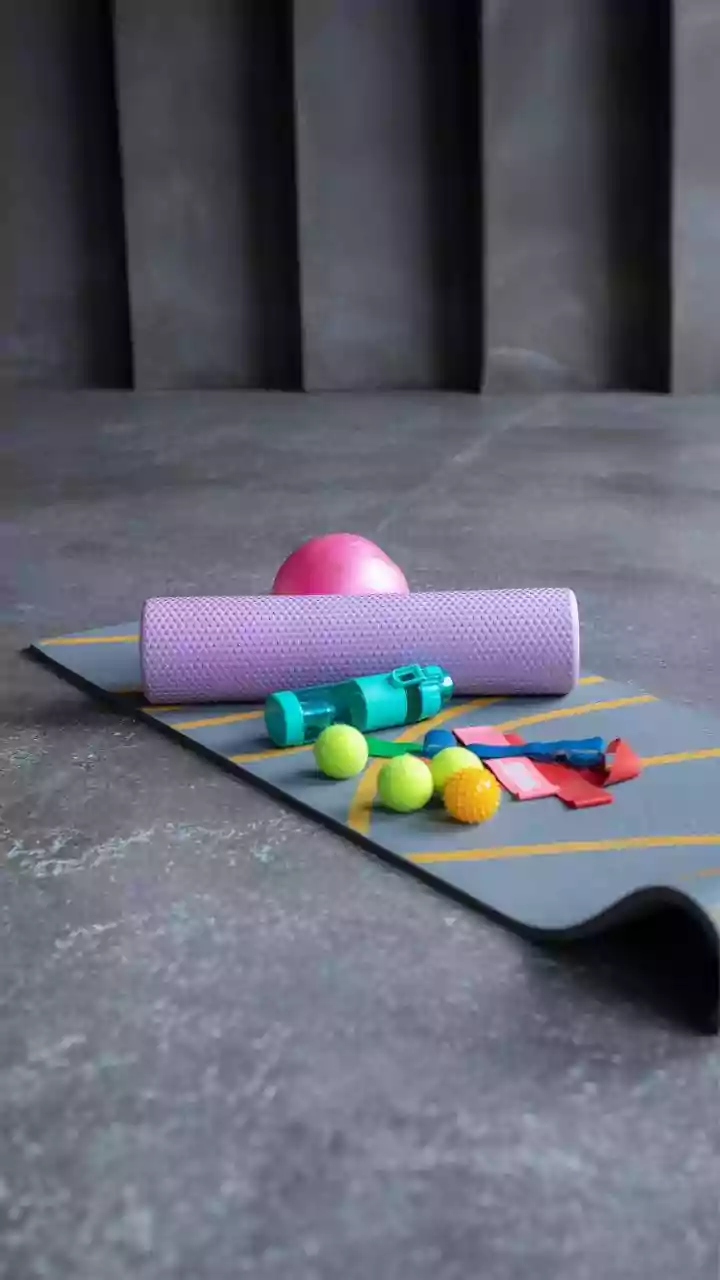
To get results without unnecessary pain, focus on smart training principles. Always warm up properly to prepare your muscles for work. Progress gradually, adding intensity or volume in small, manageable steps rather than all at once. Prioritise recovery by getting adequate sleep, staying hydrated, and eating a balanced diet with enough protein. If you do find yourself uncomfortably sore, gentle movement can help. Light activity, known as active recovery, can increase blood flow to the muscles and ease stiffness more effectively than staying completely still.