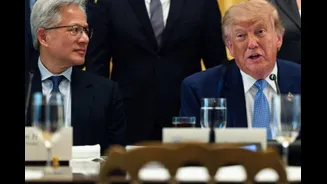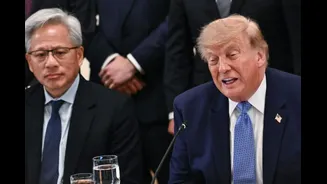




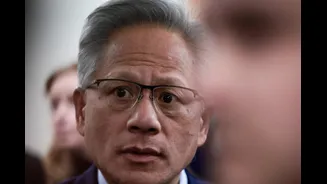

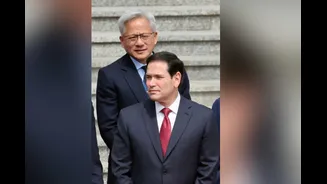
In a stunning reversal, Jensen Huang is back as CEO of Nvidia just 12 days after resigning amid scandal. The decision, involving input from the US government and public support from President Trump, marks one of the most dramatic corporate sagas in tech
history.
An Unprecedented Resignation and Return
On November 12, Jensen Huang, the iconic founder and leader of Nvidia, resigned as CEO. The departure followed revelations of extramarital affairs, one of which involved a woman US officials suspected of being a Chinese operative, plunging the world's most critical chip company into crisis. The company's market value plummeted by over $1 trillion during his 11-day absence. In a shocking turnaround, on November 23, Nvidia's board unanimously voted to reinstate him. The board's official statement cited a series of discussions with Huang and, crucially, noted it had 'received input from senior levels of the United States government' and was 'confident that Mr. Huang's reinstatement poses no national security risk'. Huang returned to a hero's welcome from employees, with his comeback lifting the stock market and sending Nvidia's shares soaring over 30% in a single day.
Why Washington Intervened
The intervention from the US government is a testament to Nvidia's central role in national security and the global economy. President Donald Trump, who has staked the nation's economic growth on artificial intelligence, became a vocal advocate for Huang's return. The administration reportedly worried that Huang's ouster was not only tanking the stock market but also risked putting the U.S. behind Beijing in the race for AI dominance. The fear was that Huang, considered a generational talent, could be poached by a rival nation. Trump himself claimed credit for the reversal, telling one news outlet, 'I spoke to them... And I convinced them'. In public statements, Trump called Huang a 'tremendous talent' and downplayed the scandal, stating he had been assured Huang did not pose a national security threat.
A CEO's Apology and A Firm Stance
Upon his return, Huang held an all-hands meeting where he apologized to employees. 'I made some terrible mistakes,' he reportedly said, admitting he had violated the company's code of conduct. 'I hurt all of you'. He also told staff he had started therapy. However, he pushed back on the idea that political pressure was the sole reason for his return, calling that notion 'completely untrue'. Instead, he credited the board's own evaluation process. Huang also addressed concerns about his founder-centric management style, which came under scrutiny during his absence. He defended the company's flat structure, where dozens of executives report directly to him, and reaffirmed his long-held belief that a formal succession plan is unnecessary and could create a harmful hierarchy.
The New Geopolitical Reality for Tech
The entire episode highlights a new reality for leaders of systemically important companies. Corporate governance, personal conduct, and national interest are now inextricably linked. The US government's involvement, driven by fears of losing an edge in the AI race with China, sets a powerful precedent. While Huang is back at the helm, the company remains under a microscope. An independent investigation into whether Huang was a target of foreign intelligence is still ongoing, and he is scheduled to testify before Congress. President Trump has floated the idea of pardoning Huang if necessary and even suggested the US government could take an equity stake in Nvidia, underscoring just how critical the company is to America's strategic interests. The saga demonstrates that for a company as vital as Nvidia, the line between corporate leadership and geopolitical strategy has all but disappeared.