

The Psychology of an Overwhelming Plate
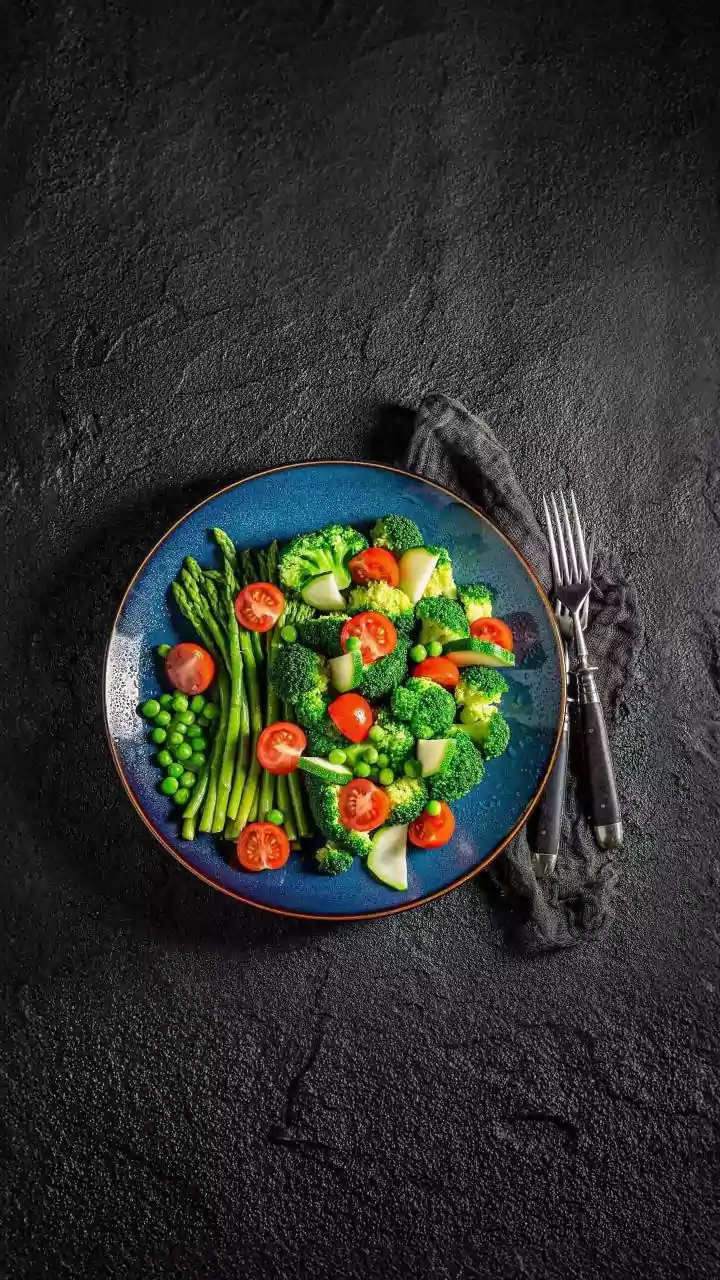
For a small child, a large pile of any food, especially an unfamiliar one, can be visually overwhelming. This isn't just about appetite; it's about control and intimidation. A big serving can feel like a huge task they are being forced to complete, triggering
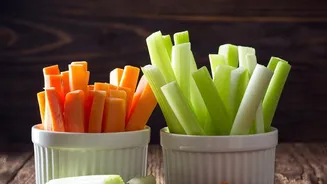
a natural resistance to being controlled. This pressure often creates a negative association with the food before they've even taken a bite. Instead of seeing an opportunity to eat, they see a demand they might not be able to meet. Reducing the portion to a manageable, almost laughably small size—think one or two peas or a single sliver of carrot—removes this pressure. It transforms an obligation into a low-stakes invitation, making the child feel more in control of the situation.
Overcoming Food Neophobia, One Bite at a Time
Many children between the ages of two and six experience 'food neophobia', which is a natural fear of new or unfamiliar foods. This is a primitive protective instinct. Serving a large portion of a new vegetable amplifies this fear. A small, non-threatening portion, however, lowers the barrier to that crucial first taste. Experts note that it can take 10 to 15 exposures for a child to accept a new food. The 'one-bite' rule, where a child is encouraged to try just a single small piece with no pressure to finish more, is an effective strategy. This method respects their caution while gently and consistently expanding their palate. Each small exposure builds familiarity with the vegetable's look, smell, and texture, making it less 'new' and therefore less scary over time.
Giving Your Child a Sense of Control
Toddlers and young children are in a developmental stage where they crave autonomy and control over their world. Mealtimes are one of the primary arenas where this power dynamic plays out. When a parent insists, “You must eat all your carrots,” the child’s natural response is often to resist in order to assert their independence. Offering a small portion flips this dynamic. It sends the message, “Here is a little bit if you’d like to try it.” Even better is allowing the child to serve themselves. Studies have shown that when children are allowed to select their own portion size, they often eat less than when served a large portion, helping them listen to their internal hunger cues. Giving them choices, such as “Would you like carrots or cucumbers tonight?” also empowers them and increases the likelihood they will willingly eat one of them.
Practical Strategies for 'Thinking Small'
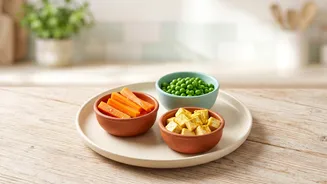
Implementing this approach is simple. Start by placing just one or two small pieces of a vegetable on their plate alongside foods they already enjoy. This pairing of a new food with a familiar one can reduce anxiety. Another effective tactic is to serve vegetables first, before the main course, when your child is hungriest. You can also make vegetables more appealing by serving them with a fun dip like hummus or a yogurt-based dressing, which gives the child an interactive job to do. It’s also useful to get children involved in the process outside of mealtimes. Letting them pick a vegetable at the grocery store or help wash and prepare it can spark curiosity and a sense of ownership, making them more willing to try it later. Remember to model the behavior you want to see; when children see their parents enjoying vegetables, they are more likely to try them too.