







The Familiar Frustration
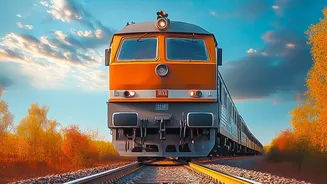
It’s a story every regular traveller in India knows well. For months, you’ve mastered your journey. You know the exact minute to leave home to catch the 8:15 AM local, which connects perfectly with the express train for your onward journey. Suddenly,
a new timetable is announced, and that convenient 8:15 AM service is either cancelled, rescheduled, or running so late it’s useless. What was once a smooth, well-oiled part of your day is now a major source of stress. This isn't just about minor inconvenience; it can mean missed appointments, lost wages, and the complete disruption of daily life for millions who depend on India's vast public transport network.
Weather: The Great Disruptor
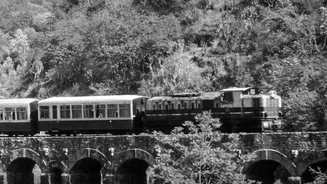
A primary driver of these seasonal shifts is India’s extreme and varied weather. During the winter, dense fog, particularly across North India, dramatically reduces visibility. For safety, Indian Railways is forced to implement a 'fog schedule'. This often involves cancelling dozens of trains outright for several months, reducing the frequency of others, and imposing strict speed restrictions on those still running. This leads to cascading delays that can throw schedules into disarray across the country. Similarly, the monsoon season brings its own set of challenges. Heavy rains can lead to waterlogging on tracks and roads, landslides in hilly sections like the Konkan route, and damage to signalling equipment. To mitigate these risks, authorities introduce a 'monsoon timetable', slowing trains down considerably and altering schedules to avoid travel during the most dangerous parts of the day.
Festivals and Holidays: The Demand Surge
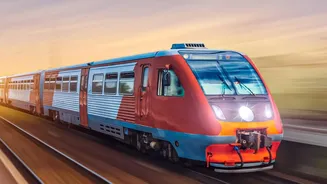
Another major reason for timetable adjustments is the massive surge in travel during India's many festival seasons. For events like Diwali, Chhath Puja, Holi, or regional festivals like the Jagannath Rath Yatra, demand for travel skyrockets as people journey to their hometowns. To manage this rush, railways and bus corporations run hundreds of 'special' services. While these special trains and buses provide much-needed capacity, they are often slotted into the existing network, which can lead to changes in the timings of regular, year-round services. These festival schedules are temporary but can cause confusion for daily commuters who suddenly find their usual train is now a reserved special or is running on a completely different timetable to accommodate the extra traffic.
Staying Ahead of the Changes
While you can't control the weather or the festival calendar, you can take steps to avoid being caught off guard. The key is proactive planning. Regularly check the official websites and mobile apps of the transport authorities. For trains, the National Train Enquiry System (NTES) is an indispensable tool, providing real-time updates on schedules, delays, and cancellations. Many state road transport corporations, like KSRTC, also have apps and websites for tracking bus services. Following the official social media handles of railway zones and bus operators can also provide timely alerts. If you receive a notification about a rescheduled service, it's wise to double-check the new timing closer to the date of travel, as further changes can occur.
Building a Resilient Travel Plan
Knowing that schedules are subject to change, especially during peak seasons, it’s smart to build flexibility into your travel plans. Always have a Plan B. This could mean identifying an alternative bus route, knowing the timings of the next available train, or exploring ride-sharing options. During foggy winters or heavy monsoons, it's crucial to build in extra buffer time for your journey. A trip that normally takes two hours might take three or four. If a train is delayed by more than three hours, passengers are often eligible for a full refund if they choose not to travel, so it's important to know your rights. By anticipating these seasonal disruptions, you can reduce the stress and transform a potential travel nightmare into a manageable inconvenience.