

The Foundation: Understanding Your Khichdi
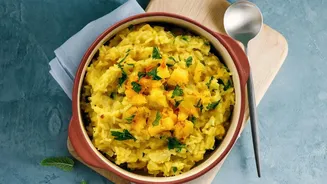
A basic khichdi, typically made with white rice and split yellow moong dal, is already a source of balanced nutrition. The combination of a grain (rice) and a legume (dal) creates what is known as a complete protein, providing all essential amino acids
that the body needs. A standard bowl offers a modest amount of protein, usually around 8 grams. While comforting and easy on the stomach, its protein content can be significantly enhanced with a few simple, intentional tweaks, turning it from a light meal into a more substantial and satiating one.
Level Up Your Lentils
The simplest way to boost protein is to alter your dal-to-rice ratio. Nutritionists often suggest flipping the common practice of using more rice than dal. Aim for a 60:40 or even a 50:50 ratio of dal to rice to make protein the star. Furthermore, don't just stick to moong dal. While it's light and easy to digest, other dals pack a bigger protein punch. Consider using a mix of dals like toor (arhar) dal, masoor dal (red lentils), or even chana dal. A mixed-dal khichdi not only offers a more complex flavour and texture but also a broader spectrum of nutrients and a higher protein count.
Go Beyond White Rice
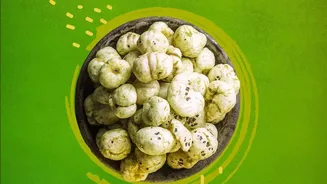
White rice can be easily substituted with grains that are richer in protein and fibre. Millets are an excellent choice. Varieties like foxtail millet, kodo millet, bajra (pearl millet), or ragi can replace rice entirely or be used in combination. Millet khichdi is not only higher in protein and dietary fibre but also has a lower glycemic index, which helps in maintaining stable blood sugar levels. Other great alternatives include quinoa, which is a complete protein on its own, and dalia (broken wheat). A quinoa khichdi, for example, can contain around 10-12 grams of protein per serving, especially when combined with dal.
Pack in the Vegetables and More
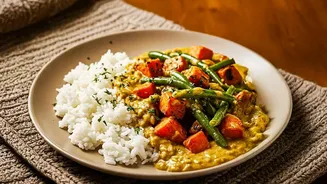
Vegetables are not just for flavour and vitamins; some can add a surprising amount of protein. Loading your khichdi with vegetables like green peas, spinach, carrots, beans, and broccoli increases its fibre, vitamin, and protein content. For an even bigger boost, consider adding protein-rich ingredients towards the end of cooking. Cubes of paneer or tofu can be stirred into the hot khichdi, instantly raising the protein value. Sprouted lentils, or moong sprouts, are another fantastic addition, providing easily digestible protein and a delightful crunch.
The Finishing Touches
How you finish your khichdi can also make a nutritional difference. A garnish of roasted seeds like pumpkin, sunflower, or flaxseeds adds healthy fats, fibre, and a small protein kick. Serving your khichdi with a side of dahi (curd) or Greek yogurt is a classic pairing that also happens to add high-quality protein and probiotics, which are beneficial for gut health. And don’t skip the spoonful of ghee. This traditional fat not only adds immense flavour but also helps the body absorb the fat-soluble vitamins present in your meal.