





What Exactly Is Floating Yoga?
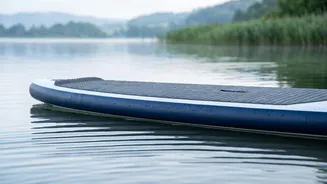
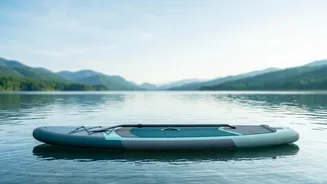
Floating yoga, more commonly known as Stand-Up Paddleboard (SUP) Yoga, is precisely what it sounds like: a yoga practice performed on a paddleboard in the water. Instead of a stable, solid floor, your mat is a board that responds to every ripple and shift
in your weight. This activity blends the mindfulness of Hatha and Vinyasa yoga with the physical act of paddleboarding. The goal isn't just to execute poses, but to harmonise with the natural environment, creating a moving meditation. The practice is growing in popularity across the world, with schools and retreats now available in serene Indian locations like Goa and Kerala, often on calm reservoirs or gentle sea waters.
The Core Challenge: Stability and Control
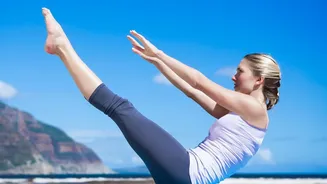
The defining feature of SUP yoga is the element of instability. The board's constant, subtle movement requires you to engage your core muscles continuously just to stay balanced, turning even the simplest poses into a significant stability challenge. This is where 'controlled movements' come into play. Every action must be deliberate, slow, and precise. A sudden or jerky movement that would go unnoticed on land could easily send you into the water. This demand for control enhances proprioception—your body's awareness of its position in space—and builds functional strength in a way that a static mat workout cannot. The focus required to maintain balance forces a deep state of concentration, making the practice intensely mindful.
More Than Just a Physical Workout
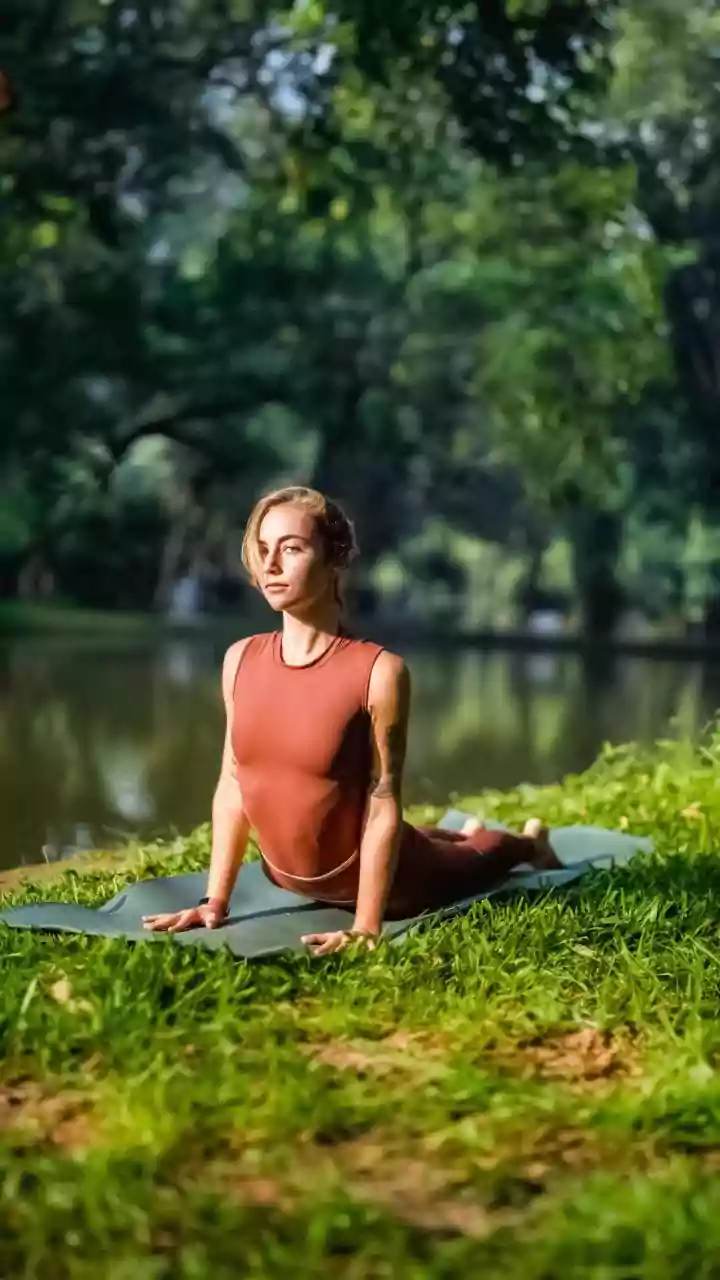
While the physical benefits are immense, from a full-body workout to improved balance, the mental and emotional rewards are just as compelling. Being surrounded by nature—the open sky, the sound of water, the fresh air—has a deeply calming effect. Practitioners often report a profound sense of stress relief and relaxation that’s hard to replicate indoors. This connection with nature enhances the meditative aspect of yoga, helping you to disconnect from daily worries and be fully present in the moment. The final Savasana (Corpse Pose), lying on your back with fingers trailing in the water as the board gently rocks, is often described as an experience of pure bliss.
Is It Harder Than Regular Yoga?
Many people assume you need to be an expert yogi or a seasoned paddleboarder to try SUP yoga, but that’s not the case. While it introduces a new challenge, the practice is very beginner-friendly. Most poses are modified to increase stability; for instance, you might take a wider stance or keep your centre of gravity lower. Instructors guide you through basic seated poses first to help you get a feel for the board. The learning curve involves letting go of the fear of falling. In fact, falling into the water is often encouraged as part of the fun and a way to break through mental barriers. The key is not perfection but playfulness and a willingness to embrace the experience.
Getting Started on Your First Float
If you're ready to give it a try, your best bet is to sign up for a beginner class with a certified instructor. They will provide the necessary equipment, including a wide, stable board which is ideal for yoga. As for what to wear, choose comfortable athletic wear that you don't mind getting wet—think swimwear or quick-drying fitness clothes. It's also wise to not bring anything onto the board that isn’t waterproof. Start with simple, low-to-the-board poses like Child’s Pose (Balasana) or Seated Pose (Sukhasana) to build confidence. Poses that require you to keep at least two points of contact with the board will feel the most stable at first. Remember to move slowly, breathe deeply, and most importantly, have fun with it.