







A Coast of Untapped Potential
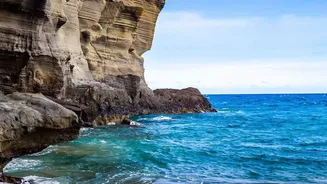
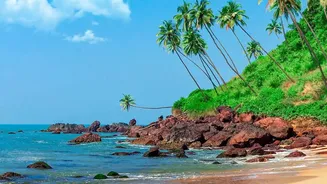
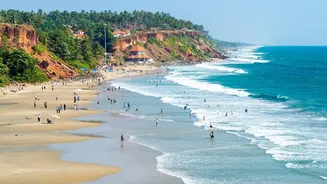
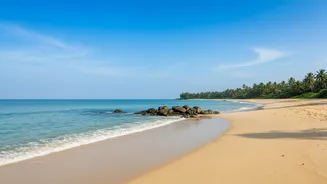
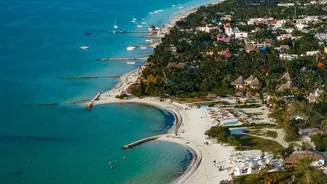
From the serene shores of Uttara Kannada to the vibrant beaches of Udupi and Dakshina Kannada, Karnataka's coast offers immense potential for everything from beach and adventure sports to wellness and eco-tourism. Historically, however, development has
been limited, partly due to stringent Coastal Regulation Zone (CRZ) norms that restrict construction near the high-tide line. While these rules are crucial for environmental protection, they have also left much of the coastline's tourism potential untapped compared to states like Goa, where beach shacks and resorts are a major draw. The current tourism landscape is heavily focused on religious pilgrimage sites, but a major shift towards leisure and sustainable tourism is now underway.
What Are 'Beach-Wise' Master Plans?
The government's new strategy marks a significant departure from previous efforts. Instead of a one-size-fits-all approach, the state is now preparing customized 'Tourism Development Master Plans' for each individual beach where development is permitted. In July 2026, Tourism Minister K. J. George directed officials to conduct a comprehensive assessment of every permissible beach, evaluating factors like road connectivity, existing infrastructure, environmental sensitivity, and investment potential. The goal is to create tailored blueprints that highlight each beach's unique character. This scientific approach will identify suitable activities, required amenities, and opportunities for private investment, ensuring that development is both planned and sustainable.
The Quest for 'Blue Flag' Excellence
A key component of this transformation is the drive to secure more 'Blue Flag' certifications for Karnataka's beaches. This prestigious international eco-label is awarded to beaches that meet strict standards for cleanliness, water quality, safety, and environmental management. Karnataka already has three Blue Flag beaches: Padubidri in Udupi, Kasarkod in Uttara Kannada, and a recently certified stretch of Tannirbhavi in Dakshina Kannada. These beaches feature top-tier facilities like waste treatment plants, clean drinking water, dedicated lifeguard services, and solar power infrastructure. The government aims to elevate more beaches to this global standard, with at least 11 more sites already identified as potential candidates for the coveted certification.
Spotlight on Development: Tannirbhavi and Beyond
Tannirbhavi beach, near Mangaluru, is emerging as a flagship project. Development plans include not only achieving Blue Flag status but also adding locker rooms, CCTV surveillance, food stalls, and extensive water sports activities. A new bridge connecting Tannirbhavi to Mangaluru city is expected to be completed by mid-2026, dramatically cutting travel time and boosting tourist footfall. Furthermore, plans are in motion to develop resorts at Tannirbhavi and nearby Kodikal through public-private partnerships (PPP). Across the coastal districts, similar upgrades are planned, with a focus on improving infrastructure and creating thematic tourism circuits, such as marine, backwater, and cultural tourism trails.
Balancing Ambition with Sustainability
While the economic vision is ambitious, officials have stressed that environmental conservation remains a top priority. The master plans are being designed to work within the framework of CRZ regulations, ensuring that development is tailored to the ecological carrying capacity of each location. The government has also been in talks with the Centre to seek certain relaxations in CRZ norms, similar to those in Goa and Kerala, to facilitate the construction of temporary, eco-friendly structures like shacks and cottages. The ultimate objective is to strike a delicate balance: transforming the coastline into a globally competitive destination while preserving its natural beauty and creating sustainable livelihoods for local communities.