

A Symbol Reimagined for a New Era
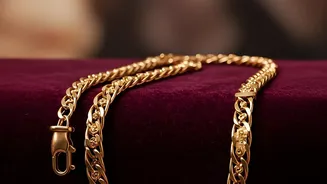
For generations, the mangalsutra has been a sacred emblem of a woman's marital status in India, traditionally comprising a gold chain or thread with black beads, believed to ward off negative energy. Historically, these pieces were often long and elaborate,
designed for a life centered around the home. However, as the roles of women in society have evolved, so too has this cherished piece of jewellery. Today, the mangalsutra is transforming from a purely traditional ornament into a versatile accessory that reflects a woman's personal style and professional life.
The Rise of Everyday Elegance
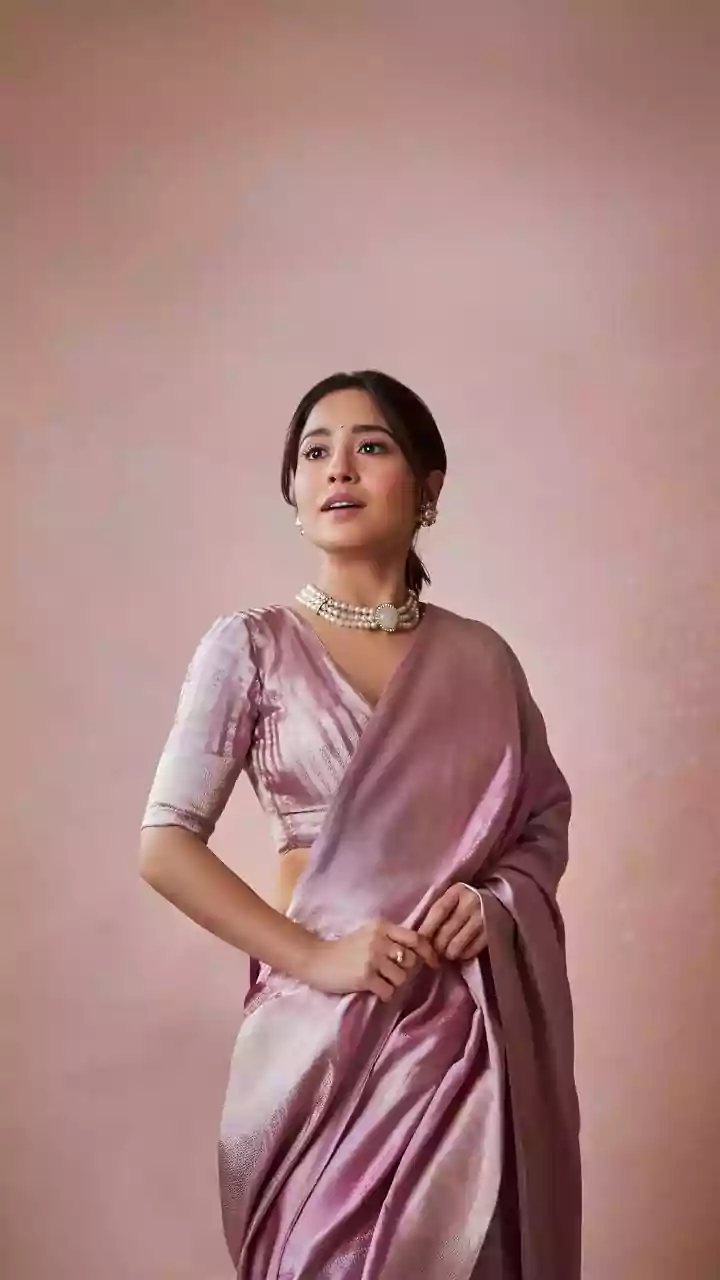
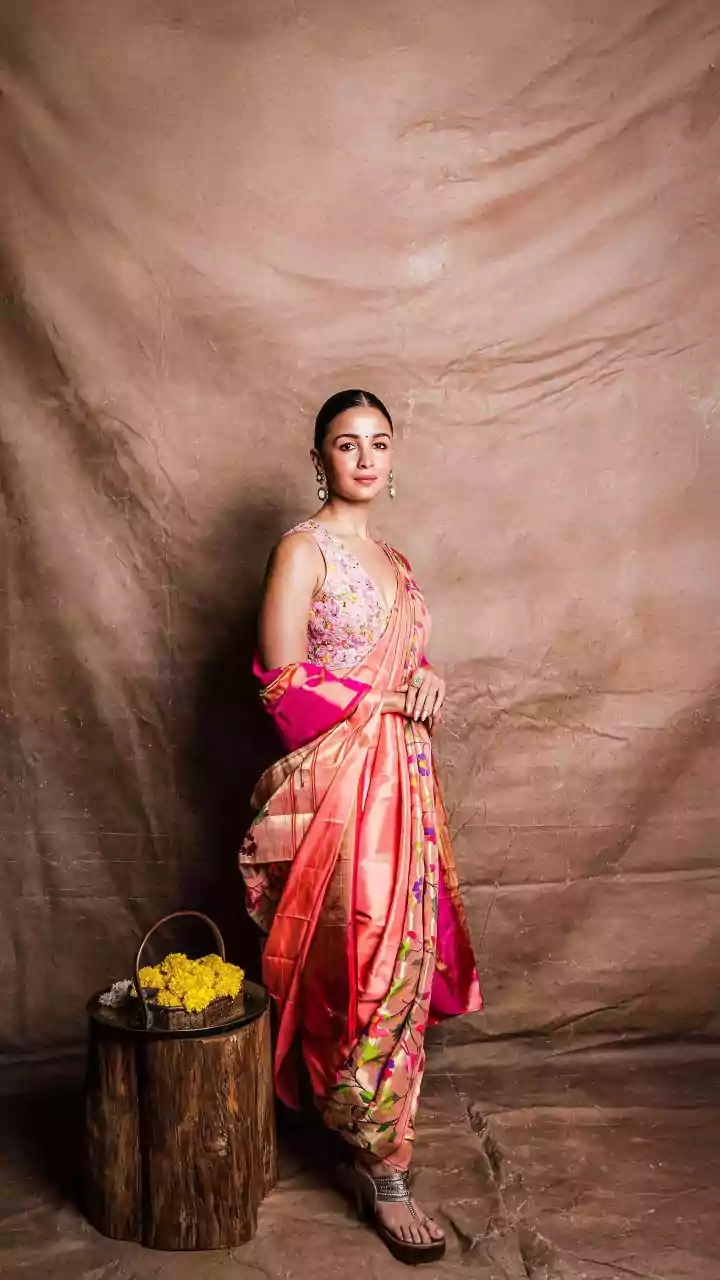
The primary driver behind this trend is the modern Indian woman herself. With more women entering the workforce and balancing careers with family life, the need for practical, comfortable jewellery has become paramount. A heavy, ornate mangalsutra, while beautiful, is often impractical for daily office wear. Consequently, brides and married women are now seeking designs that are lightweight, durable, and versatile enough to be worn with everything from a formal blazer to a casual kurti or a traditional saree. This shift reflects a broader trend towards minimalism and understated luxury in everyday life.
From Chunky to Chic: The New Design Language
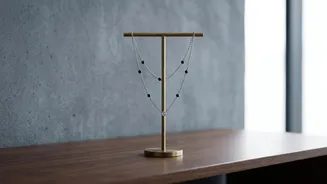
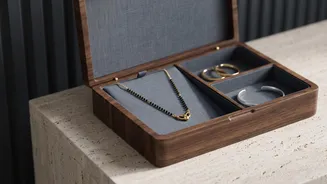
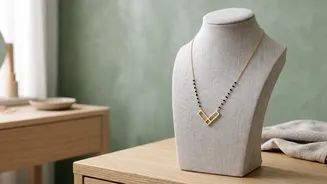
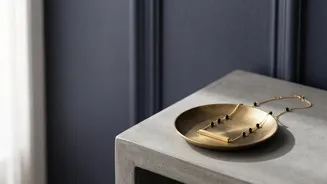
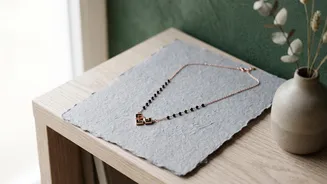
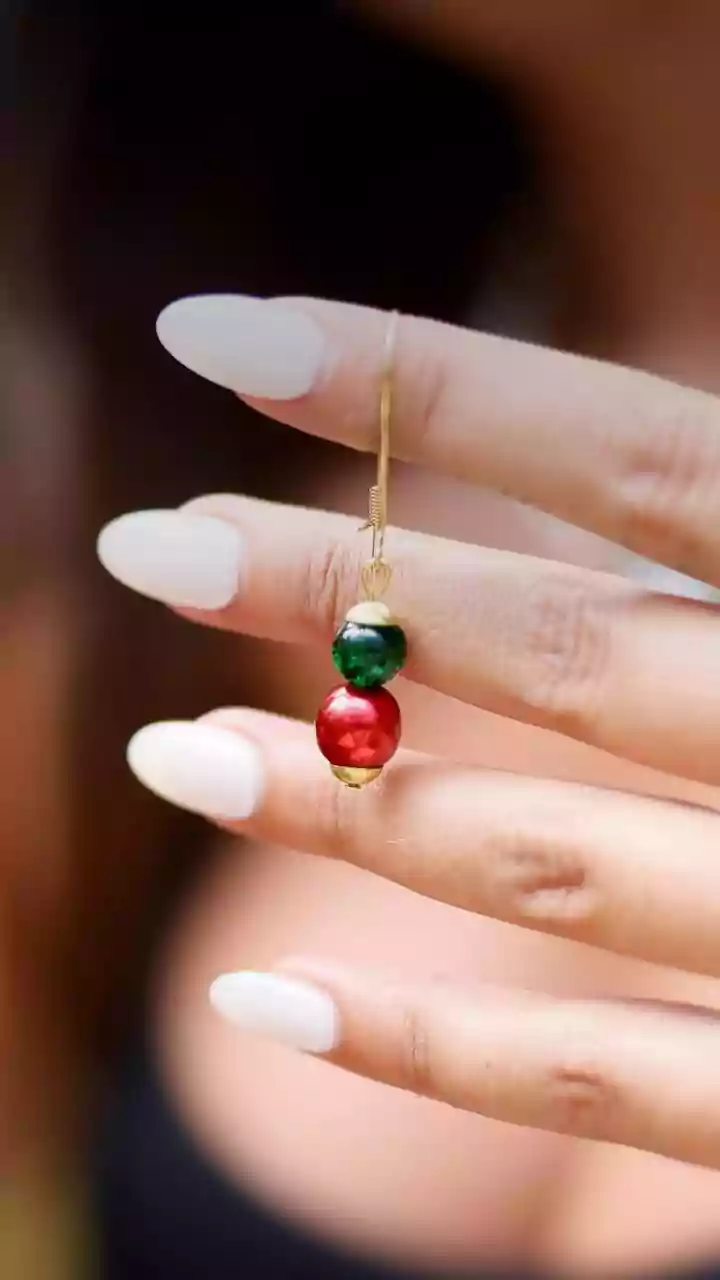
So what do these modern mangalsutras look like? Think delicate gold chains, often in 14K or 18K gold for durability, with a minimal scattering of the essential black beads. Pendants have become smaller and more symbolic of personal taste. Solitaire diamonds, sleek gold bars, geometric shapes, and even personalised initials are popular choices. Designers are focusing on clean lines, balanced proportions, and refined finishes that feel comfortable for all-day wear. The aesthetic is less about ceremonial grandeur and more about sophisticated, personal expression that whispers rather than shouts.
Versatility is the New Tradition
This evolution isn't just about necklaces. The essence of the mangalsutra—the black beads and the symbol of union—is being creatively interpreted into other forms of jewellery. It's not uncommon now to see mangalsutra bracelets and even rings. These pieces offer another way for women to honour the tradition in a manner that suits their lifestyle and comfort. This adaptability ensures the symbol remains relevant and cherished, allowing women to choose how they wear their commitment, rather than feeling bound by a single, rigid form.
More Than Just Jewellery
The move towards minimal mangalsutras is more than a fleeting fashion trend; it's a significant cultural statement. It signifies that tradition is not static but a living, breathing concept that adapts to the times. By choosing a design that fits her life, the modern woman isn't discarding tradition; she is personalising it. It shows a desire to hold onto the deep-rooted cultural significance of the mangalsutra while embracing a contemporary identity. This new generation of designs honours heritage while celebrating the individuality, independence, and dynamic life of the woman who wears it.