

Teff: The Tiny Grain with a Mighty Punch
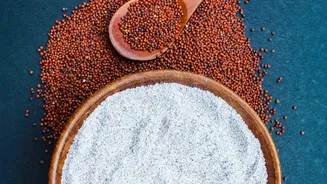
Teff is the smallest grain in the world, similar in size to a poppy seed, but it packs a serious nutritional punch. It has a mild, nutty flavour and is naturally gluten-free. Teff is an excellent source of protein, fibre, iron, and calcium. In fact, its
protein is particularly notable for containing lysine, an amino acid often lacking in other grains. Its tiny size means it cooks relatively quickly, usually in about 15-20 minutes. When cooked, it can have a creamy consistency, making it a great base for porridge similar to oatmeal. Teff flour is traditionally used to make injera, a spongy, fermented flatbread popular in Ethiopia. You can also use the whole grains as a thickening agent in soups and stews, or use the flour in baked goods like muffins and cakes.
Barley: The Chewy and Hearty Classic
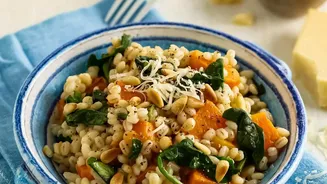
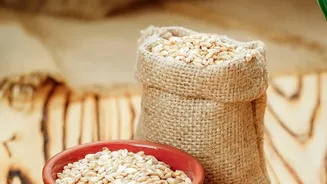
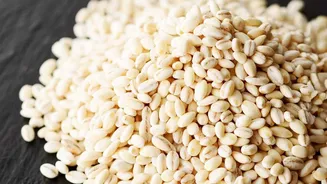
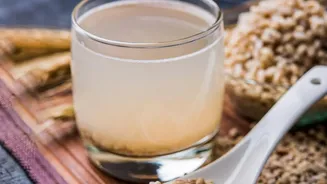
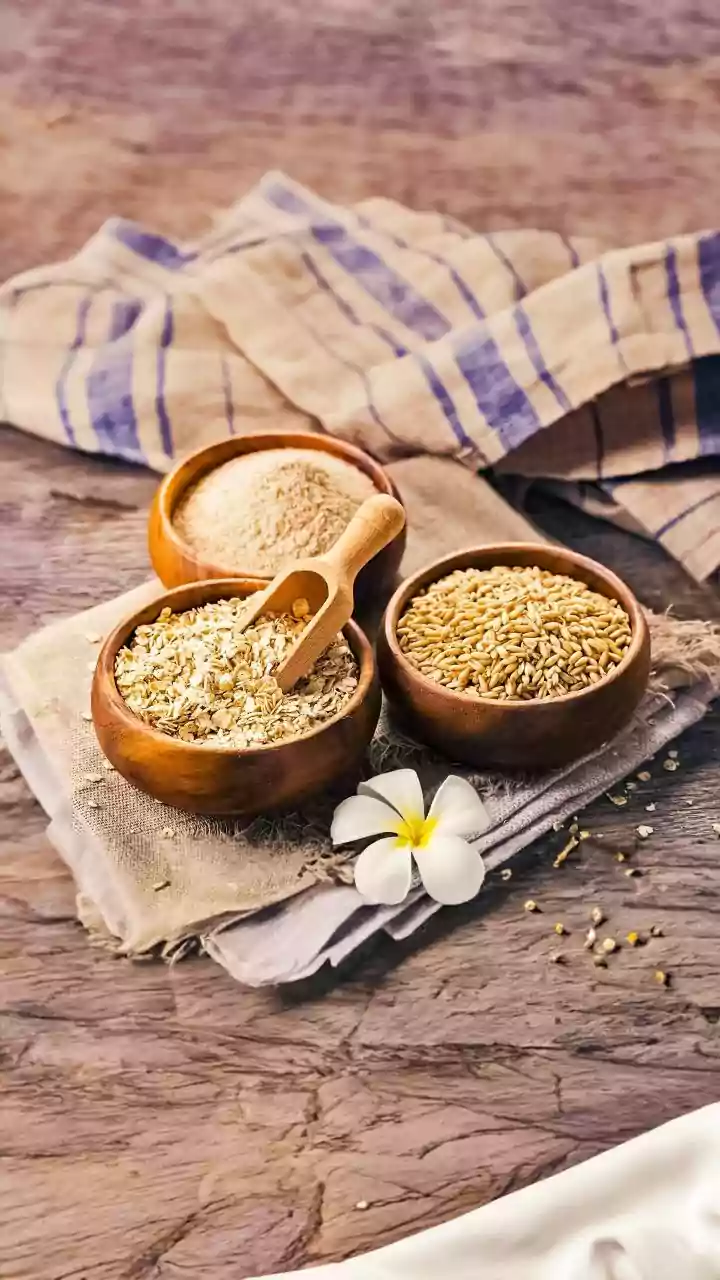
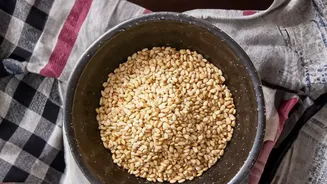
Known as 'Jau' in India, barley is one of the oldest cultivated grains and has long been a staple in many cuisines. It has a pleasantly chewy texture and a mild, slightly nutty flavour. You'll typically find it in two forms: hulled and pearled. Hulled barley is the whole-grain version with only the inedible outer husk removed, making it higher in fibre and nutrients but requiring a longer cooking time. Pearled barley has had the bran layer removed, so it cooks faster (around 30-40 minutes) and has a softer texture, though with slightly less fibre. Because of its robust texture, barley is perfect for adding bulk to soups, stews, and salads. The starches it releases during cooking also act as a natural thickener. Barley flour can be used in baking, adding extra fibre to breads and muffins.
Millet: The Versatile Indian Staple
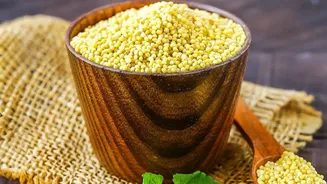
Millet is not a single grain but a group of small-seeded grasses that have been a cornerstone of Indian cuisine for centuries. Common varieties in India include bajra (pearl millet), ragi (finger millet), and jowar (sorghum, discussed next). Millets are celebrated for being gluten-free, high in fibre, and rich in minerals like iron and magnesium. Their flavour can range from mildly sweet to nutty. Millets are incredibly versatile. Ragi, for instance, is famous in South India for making nutritious dosas, idlis, and ragi mudde. Bajra is widely used in Rajasthan and Gujarat to make hearty rotis (bhakri) that are especially popular in winter. Foxtail millet (kangni) and little millet (kutki) are often used to make upma, pulao, and khichdi, serving as a healthy substitute for rice.
Sorghum: The Gluten-Free Flour Powerhouse
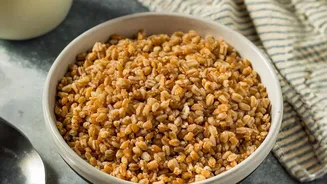
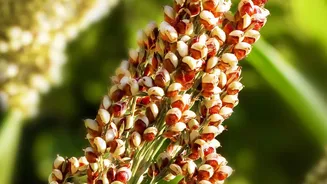
Widely known as Jowar in India, sorghum is a gluten-free grain that is a staple in many parts of the country, particularly Maharashtra and Karnataka. It's valued for its high dietary fibre, protein, and essential nutrients like iron and B vitamins. Sorghum has a slightly nutty and earthy flavour. Its most common use is as flour to make jowar roti or bhakri, a type of unleavened flatbread. The flour is also becoming popular for baking, as its texture is considered one of the closest to wheat among gluten-free options. Beyond rotis, whole sorghum grains can be cooked and used in salads or made into a porridge or upma after being soaked. It can also be added to batter for dosas and pancakes to boost their nutritional content.