




The Power of a Neutral Canvas
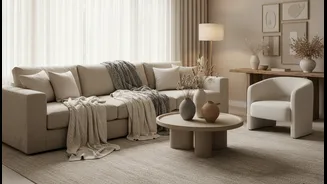
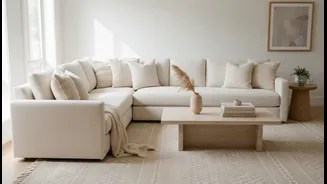
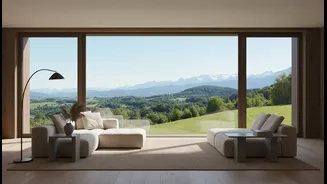
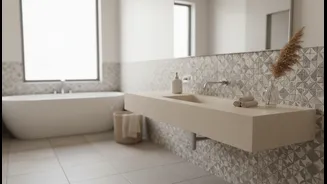
Building a room around neutral walls and a neutral sofa is one of the most enduring strategies in interior design for good reason. It creates a calming, versatile backdrop that allows your personal style to shine through. A neutral foundation—think shades
of white, grey, beige, or taupe—is timeless and sophisticated. It provides a sense of cohesion and makes a space feel larger and more open. This approach also offers incredible flexibility. Instead of repainting walls or buying a new sofa when you crave a new look, you can completely transform the room's feel simply by changing your accent pieces. It’s a smart, sustainable way to approach decorating, allowing your home to evolve with your tastes without requiring a major overhaul.
Choosing Your Perfect Neutrals
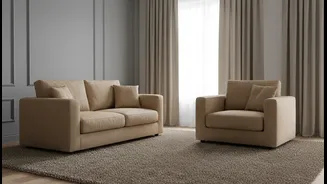
The word “neutral” often brings beige to mind, but the modern neutral palette is far more expansive. For walls, consider warm off-whites, soft greys, or even muted sage greens and pale blues, which can function as neutrals in the right context. When selecting a sofa, fabrics in grey, charcoal, or a warm taupe are excellent choices as they hide minor stains better than pure white and provide a solid anchor for the room. When choosing, consider the room’s natural light. Cooler neutrals work well in sunny rooms, while warmer neutrals can make a darker space feel cosier. The key is to select a shade for your walls and large furniture that you find calming and can live with long-term.
A Simple Rule for Colour Confidence
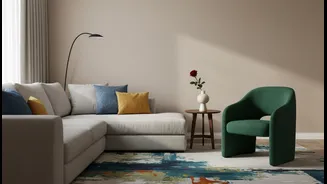
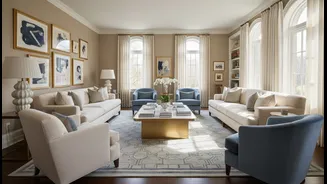
To bring in colour with confidence, many designers rely on the 60-30-10 rule. It’s a simple ratio that ensures a balanced, polished look. Your neutral walls and sofa will typically make up the 60% dominant portion of your colour scheme. Next, you introduce a secondary colour for 30% of the space. This could be through curtains, an area rug, or a pair of accent chairs. Finally, the remaining 10% is your accent colour—the vibrant pop that adds personality. This 10% is where you have the most fun and can experiment with bold or trendy hues without overwhelming the space.
The Art of the Accent
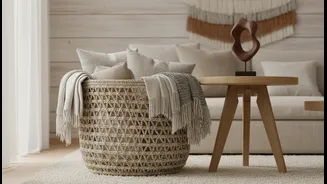
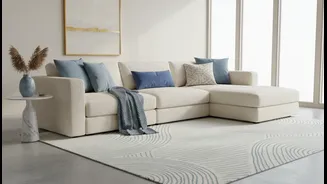
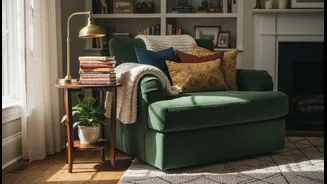
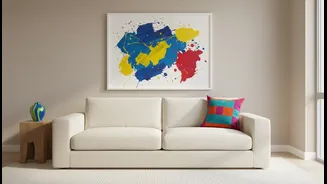
Your accent pieces are where the magic happens. These are the elements that inject life and character into your neutral room. Think of throw pillows, blankets, and vases—they are among the easiest and most affordable ways to introduce your 10% accent colour. But don't stop there. Wall art is a fantastic way to introduce a colour palette to a room; you can pull colours from a favourite painting to use in your other accessories. Lamps, decorative objects, and even colourful coffee table books can all carry your accent hue. Don't be afraid to mix textures—a velvet cushion, a metal vase, or a fluffy throw can add depth and interest.
Tips for a Cohesive Look
To ensure your room feels curated and intentional, repeat your chosen accent colour in at least three places throughout the space. This repetition creates a sense of rhythm and guides the eye around the room, making it feel complete. For instance, if your accent colour is a deep blue, you might have blue cushions on the sofa, a blue pattern in your area rug, and a piece of art with splashes of the same blue. If you're nervous about choosing a colour, start small. Introduce just one or two items and live with them for a few days. You can also bring in colour through natural elements like fresh flowers or a leafy green plant for a softer, more organic feel.