





India’s Big Push for Ethanol
To understand the debate, it's important to know why India is blending ethanol into petrol in the first place. The government's Ethanol Blended Petrol (EBP) Programme has one primary goal: to reduce the country's heavy reliance on imported crude oil,
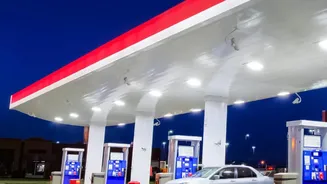
which currently meets about 88% of our needs. By mixing in ethanol—a biofuel produced from crops like sugarcane, maize, and surplus grains—India aims to improve its energy security, lower carbon emissions, and provide an additional income stream for farmers. The program has been aggressive, achieving its target of 20% ethanol blending (known as E20) nationwide in 2025, five years ahead of the original schedule. As a result, E20 is now the standard petrol available at almost every fuel pump across the country.
The Problem with E20 for Older Vehicles
While all new cars sold since April 2023 are designed to be fully E20-compatible, millions of vehicles manufactured before this date were not. These older cars and two-wheelers were typically certified for E5 or E10 fuel (5% or 10% ethanol). Owners of these legacy vehicles have reported a range of issues since E20 became the default fuel. The most common complaints are a noticeable drop in fuel efficiency and concerns about long-term engine health. Because ethanol has a lower energy density than petrol, a decrease in mileage of 3-6% is expected. Furthermore, ethanol is more corrosive and can absorb water, potentially leading to faster degradation of rubber and plastic components like fuel lines, seals, and gaskets in vehicles not designed for such high blends.
Enter E10: A Potential 'Protection' Fuel
This is where E10 comes in. E10 is a blend of 10% ethanol and 90% petrol. For years, it was the standard in India and is widely considered safe for the vast majority of petrol vehicles on the road today, including those manufactured before 2023. Recognizing the challenges faced by owners of older vehicles, automotive industry bodies like the Society of Indian Automobile Manufacturers (SIAM) had recommended as far back as 2021 that E10 be maintained as a 'protection grade' fuel alongside E20. The idea is to give consumers a choice at the pump, allowing those with non-E20 compliant vehicles to select a fuel that is better suited for their engines, thereby preventing potential damage and easing public anxiety.
So, Will E10 Make a Comeback?
The conversation around reintroducing E10 gained significant momentum after the government's Chief Economic Advisor, V. Anantha Nageswaran, publicly supported making it available as a parallel option. Following this, exploratory talks have reportedly begun between the government and the fuel industry. However, a confirmed launch is far from certain. The primary obstacle is logistics. The entire national fuel supply chain, from refineries to tankers to retail outlets, has been reconfigured for E20. Offering E10 nationwide would require creating a parallel supply system, including separate storage tanks and dispensing units at fuel stations, which could be complex and costly, especially in dense urban areas. While some industry leaders, like the chairman of BPCL, have suggested the transition wouldn't be a major challenge for oil marketing companies, they also confirm that no final decision has been made.