









Upgrading Your Sleep Diary
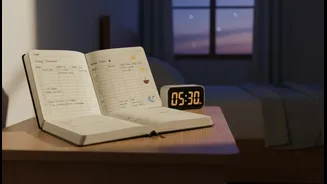
Most people trying to improve their sleep are familiar with the basics of a sleep diary. You jot down when you went to bed, how long it took to fall asleep, how many times you woke up, and when you finally got out of bed. You might also note down your
last cup of coffee or if you took an afternoon nap. This information is valuable, creating a record of your habits that can help you and your doctor identify patterns. But to truly understand your sleep, you need to account for the most powerful, yet often ignored, influence on your body's internal clock: light.
Why Light Is a Game-Changer for Sleep
Our bodies are designed to follow the sun. This internal 24-hour clock, known as the circadian rhythm, dictates when we feel alert and when we feel sleepy. Light is the single most important signal that keeps this clock synchronised. When bright, natural light hits our eyes in the morning, it sends a powerful signal to the brain to suppress melatonin (the sleep hormone) and increase alertness. Conversely, darkness tells the brain to produce melatonin, preparing the body for rest. The problem in modern life is that we live with artificial light 24/7. Exposure to even normal room light in the hours before bed can significantly suppress melatonin production, delay sleep, and shorten the time your body thinks it's night. This disrupts the entire cycle, making it harder to fall asleep and wake up refreshed.
How to Track Light Exposure Effectively
Adding light exposure to your sleep diary doesn’t have to be complicated. The goal is to see how the timing, type, and duration of light you get affects your sleep. Start by adding these fields to your daily log:
- Morning Light: What time did you first see bright, natural sunlight? For how long? Even 15 minutes of morning sun soon after waking can help anchor your circadian rhythm. Note whether you went outside or sat by a bright window.
- Daytime Light: How much time did you spend outdoors during the day? Was your indoor workspace brightly or dimly lit? One study found people who spent 1-2 hours outdoors daily or worked in a brightly lit room had less trouble sleeping.
- Evening Light: What time did you start dimming the lights at home? How many hours of screen time (phone, TV, computer) did you have in the two hours before bed? This is a key period when bright, blue-toned light can disrupt melatonin.
Connecting Light, Caffeine, and Naps
Once you have a week or two of data, you can start connecting the dots. You might notice that on days you get 20 minutes of morning sun, you feel sleepy at a more reasonable hour, even if you had a coffee at noon. Or you might see that a 20-minute nap in the afternoon is restorative on a day with lots of outdoor light, but makes you groggy on a day spent in a dim office. You can also experiment with 'coffee naps'—drinking a coffee right before a 20-minute nap. The nap helps clear out sleep-promoting chemicals in the brain, and you wake up just as the caffeine kicks in, providing a double boost of alertness. However, be mindful to avoid this too close to your bedtime, as caffeine can interfere with sleep for at least six hours.
Finding Your Personal Sleep Pattern
There is no one-size-fits-all solution for sleep. The power of an enhanced sleep diary is that it moves you from generic advice to a personalised action plan. By tracking light exposure alongside caffeine intake, naps, and other lifestyle factors like exercise and stress, you create a rich dataset of your own unique biology. Perhaps your sensitivity to evening light is high, meaning a strict no-screens rule before bed is non-negotiable. Or maybe you'll find that consistent morning light exposure is the single biggest factor that helps you fall asleep faster and wake up energised. The diary helps you stop guessing and start making targeted changes based on what your body is telling you.