




What Is Double Carbing Anyway?
Double carbing simply means eating two significant sources of carbohydrates in the same meal. Think of classic Indian meals like dal with rice and a chapati, or popular combinations like pasta served with garlic bread, or a burger with a side of fries.
While it's a common practice in many cuisines, the concept often gets a bad reputation in modern diet culture, which tends to demonise carbohydrates. However, the issue isn't the combination itself, but the type of carbs and the lack of balance on the plate.
Moving Past the Fear of Carbs
Carbohydrates are your body's primary and preferred source of fuel. When you eat carbs, they break down into glucose, which provides the energy needed for everything from brain function to physical activity. Avoiding them entirely isn't the answer for most healthy individuals. The problem arises when meals are dominated by refined carbohydrates—like white bread, white pasta, and sugary snacks—without the buffer of other essential nutrients. These can cause rapid spikes and crashes in blood sugar, leading to cravings and energy slumps.
The First Pillar: Smart Portion Control
This is where the practical guide truly begins. If you are having two carb sources, you cannot have a full portion of each. The key is to think of them as sharing a single slot on your plate. Instead of a large bowl of rice and two rotis, aim for half a small bowl of rice and one roti. A useful visual is the 'clenched fist' rule for a single serving of carbs. If you're doubling up, each of your carb choices should be about half of that size. This practice helps manage overall calorie intake and prevents your body from being overloaded with glucose at once.
The Second Pillar: Make Fibre Your Ally
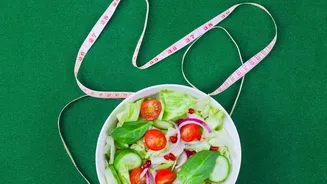
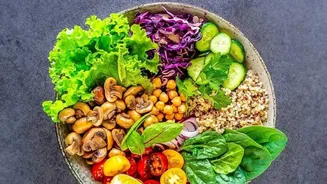
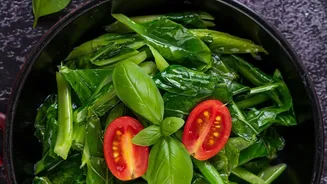
Fibre is a game-changer in any meal, but it's especially crucial when consuming multiple carbs. Found in whole grains, vegetables, legumes, and fruits, fibre slows down the digestion process. This slower digestion leads to a more gradual release of sugar into the bloodstream, preventing the sharp spikes that refined carbs can cause alone. When planning a double-carb meal, ensure your carb sources are fibre-rich. Choose brown rice over white, and wholewheat roti over plain flour options. More importantly, make sure a large portion of your plate is dedicated to non-starchy vegetables, like spinach, beans, or a cucumber and tomato salad.
The Third Pillar: Prioritise Powerful Protein
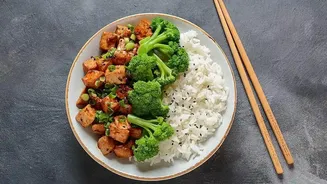
Protein is the final, essential piece of the puzzle. Like fibre, protein slows digestion and promotes a feeling of fullness, or satiety, which helps in managing appetite. Including a lean protein source is non-negotiable for a balanced double-carb meal. It ensures you feel satisfied and less likely to overeat, while also supporting muscle repair and overall metabolic health. Think of a generous serving of dal, paneer bhurji, grilled chicken, fish, or a hard-boiled egg. This combination turns a potentially unbalanced meal into a well-rounded, energy-sustaining plate.
Who Benefits and When?
Double carbing, when done correctly, is particularly beneficial for athletes or highly active individuals who need to replenish their glycogen (stored energy) stores after intense workouts. For a relatively sedentary person, consistently eating large, unbalanced double-carb meals can contribute to weight gain over time. However, for most healthy individuals, an occasional, well-balanced double-carb meal is unlikely to be harmful. The key is context and composition. A plate of dal, sabzi, brown rice, and a wholewheat roti is vastly different from a plate of butter chicken with naan and a side of pulao.