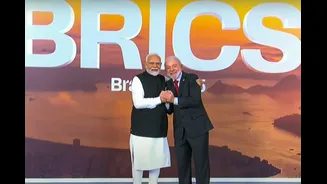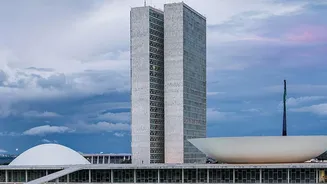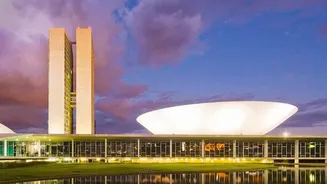





Since returning to power, Brazilian President Luiz Inácio Lula da Silva has put diplomacy at the heart of his agenda. This pivot to the world stage is more than just foreign policy—it's a core part of his political strategy in a deeply divided nation.
Brazil's Return to the Global Stage
When President Luiz Inácio Lula da Silva took office for his third term in January 2023, he inherited a Brazil that was seen as increasingly isolated. His predecessor, Jair Bolsonaro, had a cooler relationship with many traditional partners. Lula immediately signaled a change, embarking on a whirlwind of diplomatic visits to China, the United States, Europe, and neighboring South American countries. The stated goal was to pursue an 'active and self-assertive' foreign policy, re-engaging with a multitude of international actors to guarantee Brazil's strategic autonomy. This wasn't just about restoring old ties; it was a deliberate strategy to reposition Brazil as a significant global player, a voice for the Global South, and a key partner in everything from trade to climate governance.
A Pragmatic Balancing Act with Superpowers
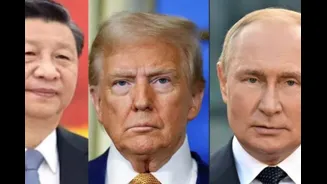
At the heart of Lula's foreign policy is a delicate balancing act between the world's two largest economies: China and the United States. China is Brazil's largest trading partner, and Lula has moved to strengthen this relationship. During a high-profile 2023 visit to Beijing, he boldly stated that 'no one would keep Brazil from improving its relationship with China'. This partnership has yielded agreements aimed at bypassing the U.S. dollar in bilateral trade, a move designed to reduce costs and dependence. At the same time, Lula has maintained dialogue with the U.S., particularly on shared values like democracy and environmental protection. This strategy of 'active non-alignment' allows Brazil to prioritize its own economic and political interests without being forced to choose sides in the U.S.-China rivalry, a stance that has become a hallmark of his administration.
The Amazon as a Diplomatic Lever
One of Lula's most effective diplomatic tools has been the Amazon rainforest. Under the previous administration, deforestation surged, damaging Brazil's international reputation. Lula reversed this course, recommitting to environmental protection and leveraging the Amazon to rebuild bridges, especially with European nations. His administration revived the Amazon Fund, which had been frozen, securing over a billion dollars from countries like Germany and Norway to support conservation efforts. This focus on climate has not only brought in foreign capital but has also restored Brazil's credibility as a leader on environmental issues. By positioning the protection of the world's largest rainforest as a global priority, Lula has turned a domestic challenge into a powerful source of international goodwill and bilateral cooperation.
Reasserting Leadership in Latin America
Alongside his global ambitions, Lula has worked to restore Brazil's influence closer to home. His administration has focused on revitalizing regional blocs like Mercosur and strengthening ties with South American neighbors. This marks a return to a foreign policy that sees a stable and integrated South America as crucial to Brazil's own prosperity and security. However, this has not been without challenges. The rise of rightwing governments in the region, such as in Argentina, has created new ideological divides and occasional diplomatic friction, testing Brazil's ability to lead a diverse continent. Despite these hurdles, the effort to reengage with the region is a key part of Lula's vision for a more influential Brazil.
From Foreign Policy to Domestic Approval
The ultimate test of Lula's diplomatic efforts is how they translate into benefits for the Brazilian people. A pragmatic foreign policy is designed to attract investment, open new markets for Brazilian goods, and ultimately spur economic growth. By diversifying partnerships and securing international funding for projects like environmental protection, the administration aims to create jobs and improve living standards. As Brazil faces a highly polarized political landscape, the tangible results of these bilateral agreements are crucial. Lula's ability to show voters that his international standing directly improves their daily lives will be a key factor in his political fortunes, especially with the country still navigating economic challenges and deep social divisions.