






Food Security Is National Security
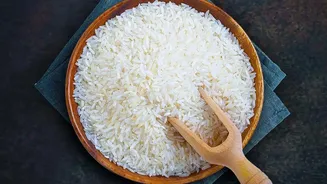
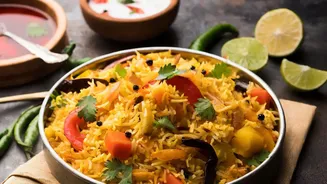
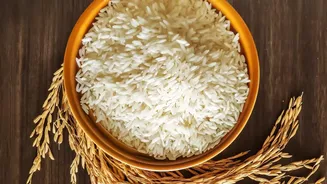
For more than half the world's population, rice is a primary source of calories. In many parts of Asia, it can account for over 70 percent of a person's daily energy intake. This makes its price not just an economic indicator, but a matter of national
security. History is filled with examples of sharp increases in food prices acting as a catalyst for social and political unrest. The Arab Spring in 2011, for instance, coincided with record-high world food prices. While rarely the sole cause, sudden food inflation can be the trigger that ignites underlying public discontent over issues like poor governance or economic hardship. When families can no longer afford their most basic staple, the social contract between a government and its citizens comes under immense strain, often leading to protests and instability.
The Global Ripple Effect
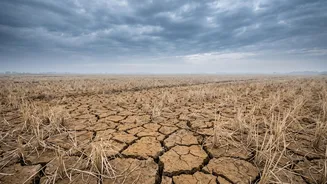
No country's rice market exists in a vacuum. International events like geopolitical conflicts, extreme weather patterns, and rising energy costs create price volatility that ripples across the globe. A conflict in one region can prompt other nations to stockpile essential foods, driving up global demand and prices, as seen with recent tensions in the Middle East impacting buying behaviour in the Gulf. Similarly, climate-related events like droughts or floods in a major rice-producing country can disrupt agricultural output, creating supply shocks. These global pressures are significant because even countries with robust domestic production, like India, are not entirely insulated from international market dynamics. A surge in global prices can make exports more lucrative, potentially tightening domestic supply if not managed carefully.
Beyond Guaranteed Returns
In India, much of the conversation around agricultural pricing centres on Minimum Support Price (MSP). While MSP is a critical tool for providing farmers with a safety net, the fundamental link between rice prices and stability exists independently of this specific policy. The headline mentions 'guaranteed-return claims' to make a broader point: ensuring that a staple food remains affordable and available is a foundational responsibility of any government, regardless of the precise mechanism used. Policies like maintaining buffer stocks, managing exports and imports, and cracking down on hoarding are all tools used to maintain price stability. The focus on MSP, while politically important, can sometimes overshadow the wider range of factors that influence food security, from climate adaptation and supply chain logistics to international trade policies.
A Delicate Balancing Act
For policymakers, managing rice prices is a complex balancing act. On one hand, prices must be high enough to provide farmers with a sustainable livelihood and incentivise production. On the other, they must remain low enough for the urban poor and landless rural workers, who may spend over half their income on this single grain. If prices rise too high, workers may demand higher wages, which can impact economic competitiveness. If they fall too low, farmers face hardship, potentially leading to lower production in the future. This delicate equilibrium is why governments across Asia, regardless of their political systems, pay such close attention to the price of rice. Maintaining this balance is essential for steady economic growth and social peace, proving that food security is the bedrock of a stable society.