





Understanding the Power of Clove
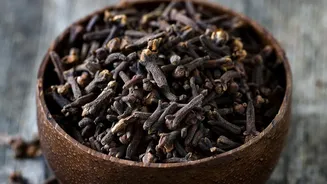
Cloves are the dried, unopened flower buds of an evergreen tree and possess a uniquely potent flavour profile. Described as warm, sweet, pungent, and slightly peppery, their intensity means that a little goes a very long way. The key to using cloves successfully
in desserts is restraint; even a quarter teaspoon of ground cloves can be enough to perfume an entire cake or batch of cookies. The spice's dominant aromatic compound, eugenol, provides that signature cozy scent we associate with festive baking. While often blended with partners like cinnamon, nutmeg, and ginger in spice mixes, allowing clove to play a more prominent role can create a truly memorable and aromatic finish.
Elevate Classic Fruit Desserts
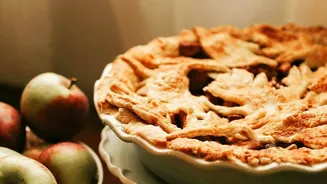
Fruits and cloves are a natural pairing. The spice’s warmth beautifully complements the sweetness of baked or cooked fruits. An apple or pear crumble, pie, or compote becomes instantly more complex with a pinch of ground clove in the filling. The spice cuts through the sweetness and adds an autumnal depth that feels both comforting and refined. For a more subtle infusion, you can simmer whole cloves in the liquid used for poaching fruits like pears. Just be sure to remove the whole cloves before serving to avoid an overpowering bite. The pairing also works wonderfully with pumpkin, citrus, and even pineapple.
An Unexpected Twist for Chocolate
While not a traditional combination for many, chocolate and clove create a surprisingly sophisticated flavour. The warm, spicy notes of clove provide a beautiful counterpoint to the deep, rich bitterness of dark chocolate. Adding a small amount of ground cloves to a chocolate cake batter, brownie mix, or even a cup of hot cocoa can add an unexpected layer of aromatic complexity. The spice enhances the richness of the chocolate rather than overpowering it, resulting in a dessert that feels both familiar and excitingly new. It gives a standard chocolate treat a grown-up, elegant edge.
Reimagining Cookies and Biscuits
Gingerbread is perhaps the most famous cookie to feature clove, where it provides a signature warm, spicy kick. But its use shouldn't stop there. Old-fashioned clove cookies, which make the spice the star, are a forgotten classic worth reviving. These simple cookies have a strong, aromatic flavour that pairs wonderfully with a cup of tea or coffee. You can also add a pinch of ground cloves to oatmeal cookies, molasses cookies, or even simple sugar cookies to give them a warmer, more fragrant character. Paired with orange or lemon zest, it creates a delightful and aromatic baked good.
A Nod to Traditional Indian Sweets
In Indian cuisine, cloves, or 'laung', are a staple in both savoury and sweet dishes. They play a key role in the traditional Bengali and Bihari sweet, Lavang Latika. In this dish, a pastry parcel filled with khoya and nuts is sealed with a single clove before being fried and dipped in sugar syrup. The clove not only holds the parcel together but also infuses the sweet with its incredible aroma during the frying process. Cloves also add a surprising twist to milk-based desserts like kheer (rice pudding) or phirni, balancing the sweetness and lending a subtle, fragrant warmth. A hint of clove can also be found in regional dishes like Kesari Bhath, a sweet semolina dish.
Tips for Baking with Cloves
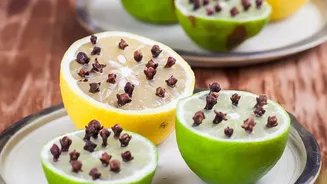
To get the most out of this powerful spice, keep a few things in mind. Ground cloves have a stronger, more immediate flavour than whole ones and are best for batters and doughs. A common ratio is about a quarter teaspoon of ground cloves per two cups of flour. Because their flavour is so potent, it's wise to start with a small amount and taste as you go. Whole cloves are better for infusions, like in syrups or poaching liquids, as they release their flavour slowly. Always store your cloves, both whole and ground, in a cool, dark place in a tightly sealed container to preserve their pungent aroma.