



The Golden Rule: Do Not Thaw
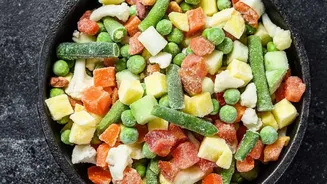
It may feel counterintuitive, but the single most important step to achieving a firm, roasted texture is to cook your vegetables directly from the freezer. When frozen vegetables thaw, the ice crystals covering them melt into water. This excess moisture
soaks into the vegetables, effectively steaming them in the oven instead of allowing them to roast. Cooking from a frozen state allows that surface moisture to evaporate quickly in a hot oven, which is essential for getting the browning and caramelization you want. So, resist the urge to leave that bag of broccoli on the counter; your patience will be rewarded with a far better texture.
Turn Up the Heat
A timid oven is the enemy of crispy vegetables. High heat is crucial for driving off moisture and achieving a roasted finish. Most experts recommend preheating your oven to a temperature between 425°F and 450°F (around 220°C to 230°C). This high temperature ensures the exterior of the vegetables begins to brown and crisp before the interior has a chance to turn to mush. Some cooks even suggest a two-step temperature process: a preliminary roast at a lower temperature to cook through, followed by a blast at high heat to finish. Whichever method you choose, a hot oven is non-negotiable.
Prep Your Pan for Success
For an extra edge against sogginess, preheat your baking sheet along with the oven. Placing frozen vegetables directly onto a searingly hot pan provides an initial shock of heat that helps any ice crystals evaporate almost instantly. This simple step gives the vegetables a head start on browning. Before you start, make sure you have an oil with a high smoke point, like avocado or coconut oil, and toss the frozen vegetables in it until they are lightly coated. This oil layer not only prevents sticking but also helps the outside of the vegetables to crisp up beautifully.
Give Them Space to Breathe
Overcrowding the pan is a classic cooking mistake that is especially punishing for frozen vegetables. When pieces are crammed together, they trap steam, creating a humid environment that leads directly to a soft, steamed texture. To get a true roast, spread your vegetables in a single, even layer on the baking sheet, ensuring there is a bit of space between each piece. If you have a large quantity of vegetables, it is far better to use two separate baking sheets than to pile them all onto one. This allows hot air to circulate freely, promoting evaporation and even browning.
Timing, Turning, and Seasoning
Frozen vegetables typically need around 20 to 40 minutes to roast, depending on their size and density. Sturdier vegetables like broccoli, cauliflower, and Brussels sprouts may require a longer cook time. A crucial step is to flip or toss them halfway through the roasting process to ensure all sides cook evenly and get a chance to brown. When it comes to seasoning, some chefs advise seasoning after the vegetables have been in the oven for a bit, as spices adhere better once the surface has thawed slightly. A simple sprinkle of salt and pepper is a great start, but don't be afraid to add garlic powder, herbs, or even a little Parmesan cheese toward the end of cooking. A final squeeze of lemon juice after they come out of the oven can also brighten the flavors significantly.