





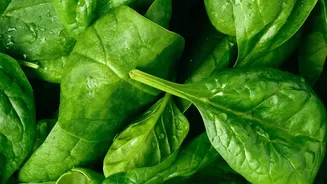
Spinach: The Iron-Rich Leaf
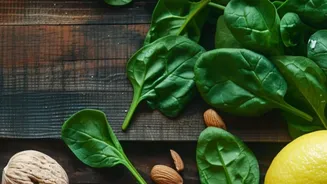
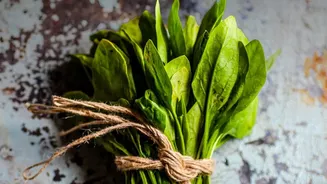
Spinach has built a formidable reputation, largely thanks to its high iron content. A 100-gram serving of raw spinach contains about 2.7 mg of iron, which is a significant portion of the daily requirement. This mineral is crucial for creating haemoglobin,
the protein in red blood cells that transports oxygen throughout the body, making it vital for energy and overall vitality. However, there is a catch. Spinach also contains a compound called oxalic acid, which can bind with iron and inhibit its absorption. In fact, some studies suggest that as little as 2% of the iron in spinach is actually absorbed by the body. To counteract this, it's wise to pair spinach with foods rich in Vitamin C, like bell peppers, tomatoes, or a squeeze of lemon juice, as Vitamin C significantly boosts the absorption of this plant-based iron. Beyond iron, spinach is a powerhouse of other minerals, boasting high levels of magnesium, which is crucial for muscle function and energy production, and manganese, an essential component of antioxidant enzymes.
Carrots: The Potassium Powerhouse
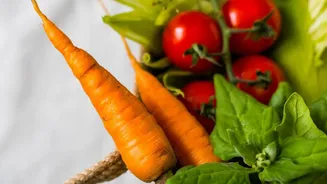
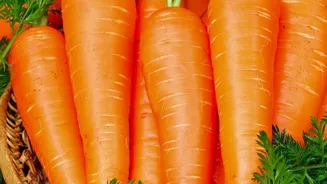
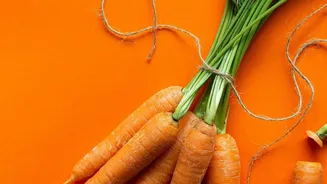
While carrots are most famous for their beta-carotene content, which the body converts into Vitamin A for excellent vision, their mineral profile is noteworthy in its own right. Carrots are a good source of potassium, a vital mineral and electrolyte that plays a key role in maintaining cardiovascular health. Potassium helps to balance sodium levels in the body and relax blood vessels, which can contribute to lower blood pressure and reduce the risk of heart-related issues. A 100-gram serving of raw carrots provides a solid amount of this important nutrient. While not as mineral-dense as spinach in every category, carrots consistently deliver a valuable mix. They also provide smaller amounts of other essential minerals like calcium and iron, contributing to your overall daily intake. Their crunchy texture and natural sweetness make them an easy and popular way to add these nutrients to any meal, whether eaten raw as a snack or cooked in a variety of dishes.
A Head-to-Head Mineral Comparison
When placed side-by-side, the unique strengths of each vegetable become clear. For iron, spinach is the undisputed champion, containing over eight times more of the mineral than carrots. The same goes for calcium; spinach contains significantly more, though its usability is limited by oxalates. Cooked spinach, in particular, delivers a much larger mineral payload per cup compared to cooked carrots simply because more of the leafy green can be packed into the same volume. A cup of cooked spinach offers about 6.4mg of iron, compared to just 0.5mg in a cup of cooked carrots. Spinach also takes the lead in potassium, with a cup of cooked spinach providing more than double the amount found in a cup of cooked carrots. However, this doesn't make carrots inferior. Their contribution to potassium intake is still valuable, and their near-unbeatable Vitamin A content is something spinach cannot match. The lesson here is not about crowning a winner, but about understanding their distinct roles.
Beyond Minerals: Why Both Are Essential
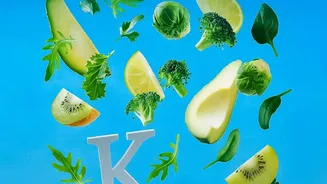
Focusing solely on minerals would be selling both vegetables short. Their overall nutritional profiles are what make them dietary all-stars. Carrots are packed with beta-carotene, an antioxidant that the body converts to Vitamin A, crucial for eye health, immune function, and healthy skin. Spinach, on the other hand, is loaded with Vitamin K, which is essential for blood clotting and bone health, containing about 35 times more per 100 grams than carrots. Spinach is also rich in folate, a B vitamin vital for cell growth and metabolism, and antioxidants like lutein and zeaxanthin, which further protect eye health against age-related conditions. Carrots and spinach both provide dietary fibre, which is important for digestive health and maintaining stable blood sugar levels. Their differing vitamin and antioxidant arrays complement their mineral profiles, painting a clear picture of why a varied diet is so important.