


The Challenge with Traditional Vanilla
Vanilla is the world's most popular flavour, yet the vast majority of vanilla-flavoured products have never been near a vanilla orchid. Natural vanilla is difficult and labour-intensive to produce, requiring hand-pollination of orchid flowers and a months-long
curing process for the beans. This scarcity, combined with climatic challenges affecting cultivation, makes natural vanilla extract extremely expensive. As a result, the global demand is overwhelmingly met by synthetic vanillin, the primary chemical compound responsible for vanilla's distinct aroma and taste. This synthetic version is often derived from petrochemicals or lignin, a byproduct of the paper industry. While effective, these methods have their own environmental and sustainability drawbacks, pushing scientists to look for better, greener alternatives.
A Breakthrough in a 'Microbite'
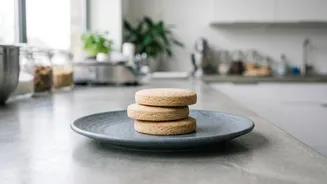
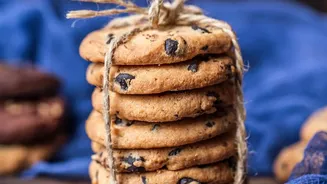
Enter the µBite, or "Microbite," a protein-rich, vanilla-scented cookie prototype developed by researchers at Southern Illinois University in the US. What makes this snack revolutionary isn't just that it's 3D-printed, but the source of its ingredients. The project, which was presented in August 2026, uses a combination of agricultural plant waste (like corn stalks and leaves) and even plastic waste from PET bottles. It’s important to clarify that plastic fragments are not being ground into the dough. Instead, the waste materials are chemically broken down into their basic molecular components, which are then used as food for specially engineered microbes.
How Yeast Turns Waste into Flavour
The science sounds like something from the future, but it relies on a familiar biological process: fermentation. The researchers use a method to break down tough waste materials into smaller compounds that microbes can consume. They then employ genetically engineered yeast as tiny, efficient factories. One strain of baker's yeast, Saccharomyces cerevisiae, has been programmed to take a compound called ferulic acid—abundantly found in plant waste like rice and wheat bran—and convert it into vanillin, the molecule that gives vanilla its flavour. Another yeast strain can take compounds derived from the broken-down PET plastic and use them to create beta-carotene, the pigment in carrots that our bodies convert to Vitamin A. The resulting slurry of proteins, fats, vitamins, and flavourings is then combined with starch and fiber to create a paste for the 3D printer.
The Promise of Upcycled Foods
The Microbites cookie is a powerful example of food upcycling—the process of transforming byproducts or waste materials into new, high-value food ingredients. This concept is gaining traction globally and in India as a way to build a more sustainable and circular economy. Instead of incinerating or discarding agricultural residues like fruit peels, spent grains from breweries, or corn bran, companies are turning them into nutritious flours, fibres, and flavour enhancers. The approach not only reduces waste and the associated environmental pollution but also creates new, low-cost revenue streams from materials that were previously considered worthless. The Microbites project takes this a step further by demonstrating a potential pathway to reclaim value from post-consumer plastic waste, a far more complex challenge.
Not on Shelves Tomorrow
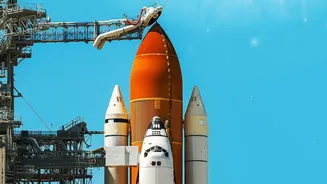
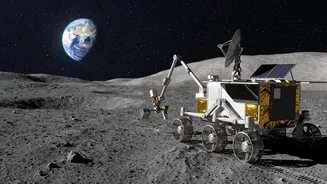
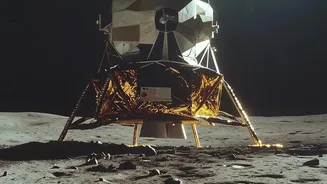
Despite the exciting breakthrough, don't expect to find Microbites in your local shop anytime soon. The project is still in the prototype stage, and no one has even tasted the final cookie yet, pending university approvals. The researchers acknowledge several hurdles, including scaling the complex, multi-step process for mass production and gaining regulatory approval for the novel ingredients. Perhaps the biggest challenge will be consumer acceptance. The idea of eating food derived from plastic, even after a complete chemical transformation, may be a difficult concept for many to embrace. However, the primary goal of the research, which grew out of a NASA project, is to create food for resource-limited environments like disaster zones or long-duration space missions, where such innovative solutions are a necessity.