





The Inward Journey: Yoga and Mindfulness
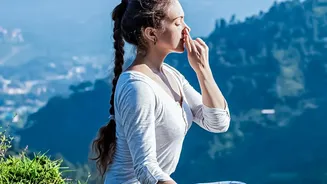
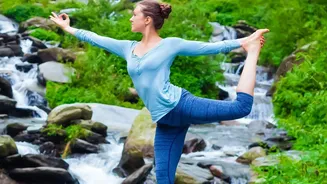
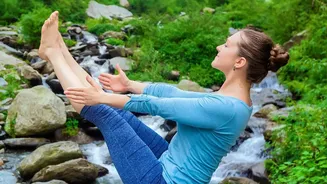
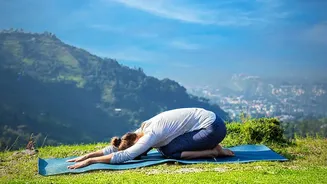
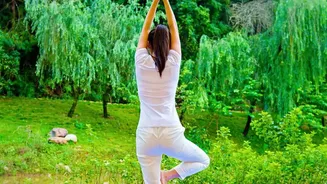
Yoga and its meditative counterpart, mindfulness, are ancient practices with scientifically-backed benefits for the modern, stressed-out mind. The core principle involves turning your attention inward. Through controlled breathing (pranayama), physical
postures (asanas), and focused awareness, yoga helps regulate the body's stress response system. It encourages practitioners to observe their thoughts and feelings without judgment, which can reduce the cycle of anxiety and worry that often characterizes city life. Studies show that a consistent yoga practice can lower heart rate, reduce blood pressure, and decrease cortisol, the body's primary stress hormone. It’s an accessible practice that requires little more than a mat and some floor space, making it a convenient option for those with busy urban schedules. The focus is on building internal resilience and self-regulation, equipping you with tools to find calm amidst external chaos.
The Outward Escape: Nature Trekking
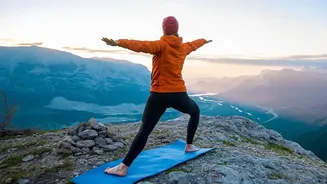
The concept of finding healing in nature, sometimes called ecotherapy or green exercise, is as old as medicine itself. The premise is simple: immersing yourself in a natural environment has profound restorative effects on mental well-being. Research consistently shows that physical activity in green spaces is more beneficial than the same exercise performed indoors. Walking or hiking in a park or forest can lead to greater feelings of revitalisation, increased energy, and significant decreases in tension, confusion, and depression. Some studies have found that time in nature can reduce symptoms of anxiety and depression by over a third compared to time spent in urban environments. This effect is attributed to several factors, including reduced rumination (repetitive negative thoughts), lower cortisol levels, and the simple sensory pleasure of natural sights and sounds. Nature trekking offers an escape from the overstimulation of the city, allowing the mind to reset.
A Head-to-Head Comparison
While both practices effectively combat stress, they work in different ways. Yoga and mindfulness are about building an internal sanctuary. The benefits are portable; once learned, the techniques can be used anywhere, anytime. It’s a discipline of self-control and inward focus. Nature trekking, on the other hand, is about leveraging an external environment for healing. It pulls your focus outward, encouraging a sense of connection to the world around you and often inspiring feelings of awe. A key difference highlighted by researchers is this direction of focus. Mindfulness often directs attention 'inward' to one's own thoughts, which can be difficult for those experiencing low mood or self-criticism. In contrast, nature-based activities draw attention 'outward', which can be a more pleasant and immediately calming experience for some. Accessibility also differs. Yoga can be done at home for free, while trekking may require travel and access to safe natural spaces, which isn't always easy for city dwellers.
Which Path Is Right for You?
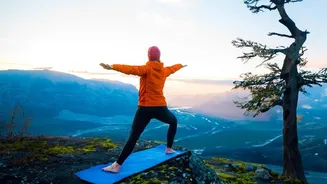
Choosing between yoga and nature trekking doesn't have to be an either/or decision. The best choice depends on your personality, circumstances, and what you need in a given moment. If you're seeking to build long-term mental discipline and need a practice that fits a hectic, unpredictable schedule, the internal, portable toolkit of yoga and mindfulness might be more suitable. It's a powerful way to manage your reactions to stress from within. If you feel claustrophobic, overstimulated, and disconnected, an escape into nature might provide more immediate relief. The sensory input of a forest or trail can actively pull you out of your head and reduce the mental chatter that fuels anxiety. For many, the ideal solution isn't choosing one, but combining them. Practicing mindful walking during a nature trek, for example, can blend the inward focus of mindfulness with the restorative power of the outdoors, offering the best of both worlds.