





The Classic: Sooji Rava Upma
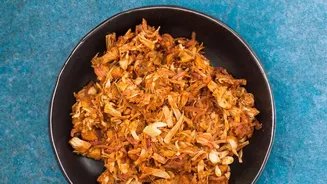
For most, upma is synonymous with sooji, or coarse semolina (rava). This is the version that graces countless breakfast tables. The process involves dry-roasting the sooji until it releases a nutty aroma, which is a key step to prevent lumps and ensure
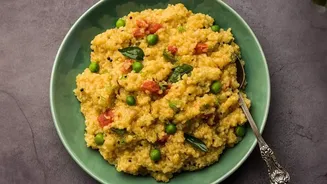
a fluffy texture. A tempering of mustard seeds, dals, curry leaves, and perhaps some cashews creates the foundational flavour. While delicious on its own, this plain upma serves as the perfect base, readily absorbing the flavours of any additions. The final texture should be soft and savoury, never sticky or dry—a balance often achieved with the right water-to-rava ratio, typically around 3:1.
Beyond Semolina: A World of Grains
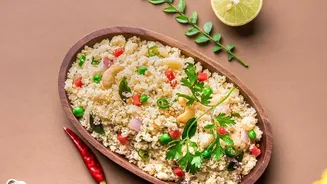
Limiting upma to sooji is like reading only the first chapter of a great book. Many other grains offer unique textures and nutritional profiles. Vermicelli (semiya) upma is a popular alternative, where roasted vermicelli strands create a dish that feels more like a savoury pilaf. Another common variation is Aval Upma, made from flattened rice (poha), which requires minimal cooking time and results in a soft, light dish. For a healthier twist, many are turning to millets like foxtail millet or a multi-grain mix. These grains offer a slightly chewier bite and a boost of fibre and protein. Even oats and quinoa have entered the upma scene, providing a creamy, porridge-like consistency that’s both filling and nutritious. Some creative cooks even use leftover bread, transforming it into a soft and flavourful bread upma.
The Vegetable Question: Finding Perfect Pairings
Vegetables don't just add nutrition; they transform the character of upma. The most common additions are onions, which turn sweet and translucent, and green chillies for a touch of heat. Finely chopped carrots, green beans, and peas are a classic trio, adding colour, texture, and a subtle sweetness that complements the savoury base. These are typically sautéed after the tempering and before adding the grain. For a different flavour profile, you can add chopped tomatoes for a bit of tanginess or capsicum for a slight crunch. Some recipes even incorporate potatoes, which make the upma heartier. The key is to chop the vegetables finely so they cook through at the same rate as the grain.
Regional Styles and Finishing Touches
Upma also varies beautifully across different regions of India. In Karnataka, the upma, often called 'khara bath', is known for being spicier. Kerala-style upma frequently includes grated coconut, which adds a lovely richness and subtle sweetness. The Tamil Nadu version often gets a refreshing tang from a generous squeeze of lemon juice added at the end. In Andhra Pradesh, you're likely to find a version loaded with a colourful mix of vegetables. Beyond regional styles, finishing touches can elevate the dish. A dollop of ghee at the end enriches the flavour, while a garnish of fresh coriander adds brightness. Some enjoy it with a side of chutney, pickle, or even a sprinkle of sugar.