


A Monumental Leap into the Electric Age
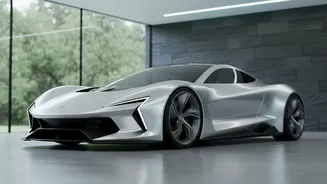
For a brand synonymous with the roar of a V12 engine, the launch of a fully electric vehicle is nothing short of historic. The Ferrari Luce, Italian for "light," represents a bold new chapter for the Maranello-based icon. Despite a polarized reception
to its design, which departs from traditional Ferrari styling, the order books tell a story of immense demand. The entire planned production for 2026, estimated at just under 500 units, was reportedly sold out in less than two months. This swift success came despite a starting price of around €550,000, placing it in the upper echelon of Ferrari's lineup and proving that the allure of the Prancing Horse badge transcends the powertrain.
What Makes the Luce a True Ferrari?
Ferrari's primary challenge was creating an EV that delivers the visceral driving emotion its clients expect. The Luce tackles this with staggering performance: four electric motors produce a combined output of over 1,000 horsepower, enabling a 0-100 km/h sprint in just 2.5 seconds. But performance is more than just straight-line speed. Ferrari has meticulously engineered the experience, from a torque delivery system that mimics the feel of a combustion engine's gear shifts to an innovative sound system. Instead of playing artificial recordings, Ferrari has patented technology that captures and amplifies the authentic mechanical sounds and vibrations from the electric motors and drivetrain, creating a unique and functional auditory signature for its electric era.
The Masterclass in Exclusivity
The Luce's instant sell-out is also a testament to Ferrari's masterful control over supply and demand. The brand doesn't just sell cars; it grants allocations. For limited models, Ferrari maintains a tiered system of clients, rewarding long-term owners and collectors with the first right to purchase. This process of being invited to buy a new model creates a level of desire that few brands can replicate. Entire production runs are often sold out before a car is even publicly revealed. While the Luce is a series-production car, the initial limited allocation followed this principle of exclusivity, ensuring that even with a controversial design, the first electric Ferrari was destined to be one of the hottest tickets in the automotive world.
A Strategic Victory, Not a Transition
Company leadership has been clear that the Luce is an addition to the portfolio, not a replacement for its celebrated combustion engines. CEO Benedetto Vigna has emphasized a philosophy of "technology neutrality," aiming to master electric, hybrid, and gasoline powertrains to offer clients a choice of thrills. The success of the Luce is a crucial validation of this strategy. It demonstrates that the brand can attract both existing loyalists and a new generation of wealthy buyers, particularly in markets like China where EV adoption is strong. By proving it can build a desirable EV, Ferrari has not only future-proofed its business but also sent a powerful signal to competitors that its legacy of performance and desirability will continue, no matter what powers the wheels.