
An Alluring Alpine Perspective
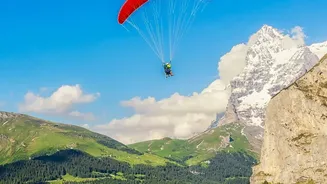
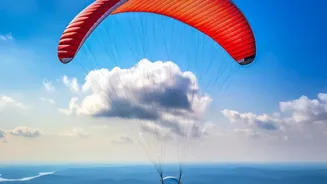
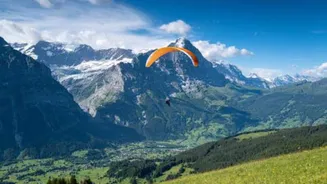
Imagine floating silently, suspended in a comfortable harness, as the epic panorama of the French Alps unfolds beneath you. Unlike the rapid descent of skydiving, paragliding is a gentler, more serene form of flight. A tandem experience, where you are
securely attached to a certified professional pilot, involves a smooth takeoff, a peaceful glide enjoying the majestic views, and a soft landing. The sensation is often described as floating, offering a unique and tranquil perspective on some of the world's most stunning mountain landscapes. Many people who describe themselves as having a fear of heights find the experience manageable and even calming because you are gliding smoothly through the air rather than standing on a high edge.
France's Premier Spots for Beginners
Two locations stand out as world-class destinations for first-time paragliders: Annecy and Chamonix. Lake Annecy is arguably the most famous and popular paragliding site in Europe, renowned for its reliable weather conditions and breathtaking views over the turquoise lake. Its main launch sites, like Col de la Forclaz, are well-equipped for beginners. Chamonix offers a more dramatic, high-altitude alternative with the iconic Mont Blanc massif as your backdrop. While the scenery is more intense, numerous operators in Chamonix specialize in introductory tandem flights, making it an equally fantastic, if more adventurous, choice for a first flight. Both locations are home to highly regulated schools with experienced pilots.
What 'Suitable' Really Means
The word 'suitable' doesn't imply you need to be an athlete. For a tandem flight, no prior experience or license is required. The main requirements are straightforward and based on safety. There are weight limits, typically ranging up to around 100-110 kg, to ensure the paragliding wing performs correctly. Age is also a factor, with most schools welcoming children as young as four or five, provided they have parental consent and can follow simple instructions. The key physical requirement is the ability to take a few quick steps or a short jog for several metres during takeoff and landing. Essentially, if you have a basic level of mobility, you are likely a great candidate for a tandem flight.
Your First Flight: The Tandem Experience
Your adventure begins on the ground, meeting your certified pilot for a clear safety briefing. They will explain the takeoff, flight, and landing procedures and answer any questions. You'll be fitted with a helmet and a secure, comfortable harness. At the launch site, your pilot will prepare the wing and attach you to their own harness. When the wind is right, you'll be instructed to run forward a few steps. The wing will catch the air, lift you gently off the ground, and suddenly you are flying. Once airborne, you just sit back and enjoy the incredible scenery. Flight times for introductory packages are typically 15 to 30 minutes, depending on the weather conditions. The landing is usually a smooth and gentle process, often just requiring you to walk a few final steps as your feet touch the ground.
Planning Your Alpine Adventure
The best season for paragliding in the Alps is generally from late spring through early autumn (June to September), when weather conditions are most stable and favourable. The cost for a standard tandem flight typically ranges from €90 to €150, with longer flights or packages including photos and videos costing more. It's wise to book a few days in advance, especially during peak season. When packing, think practical: wear sturdy, closed-toe shoes like hiking boots or trainers, and dress in layers, including a windbreaker, as it can be cooler at altitude. Sunglasses are also highly recommended. Reputable schools are registered with the French Federation of Free Flight (FFVL), which upholds rigorous safety standards.