
Choose Your Decade, Find Your Vibe
Before you start, decide which era speaks to you. The retro look spans several decades, each with its own signature style. The 1960s were all about playful optimism, with bold geometric prints, psychedelic florals, and pop art influences. Think checkerboards,
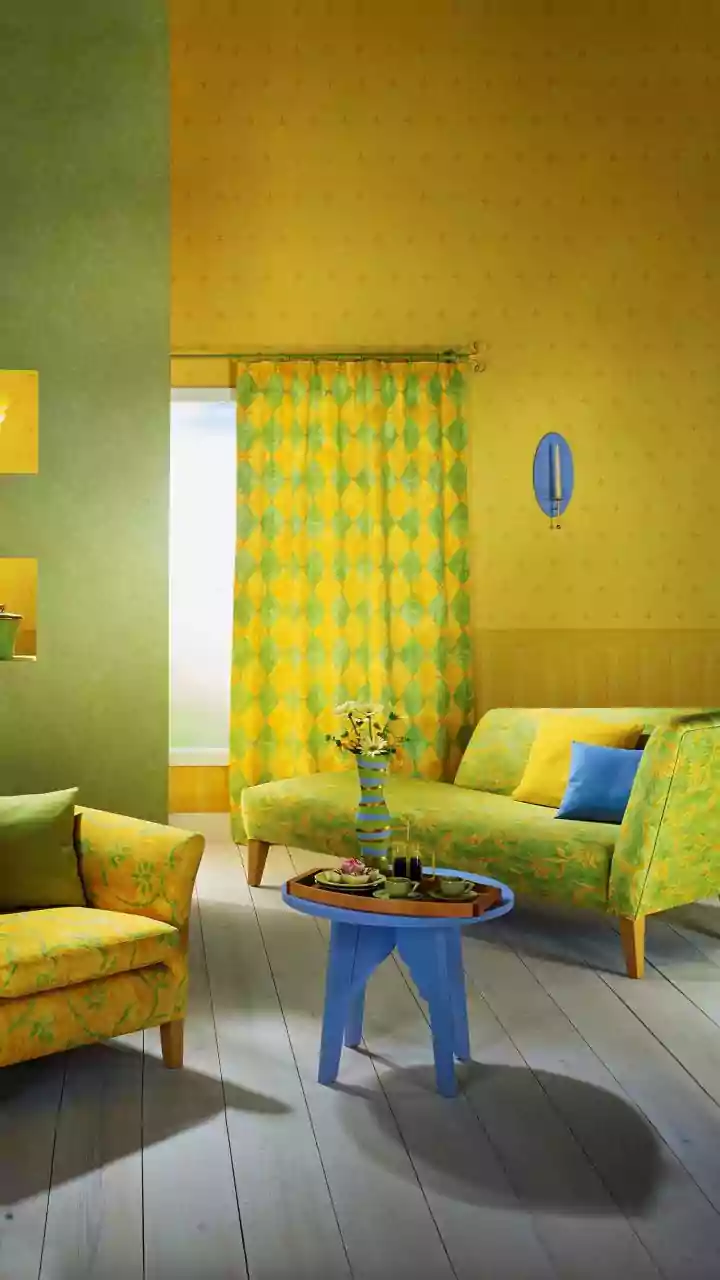
vibrant daisies, and patterns that feel energetic and free-spirited. The 1970s shifted to earthier, warmer tones. Mustard yellow, avocado green, and burnt orange were paired with large-scale florals, groovy swirls, and funky abstract designs often found on everything from wallpaper to shag rugs. Then came the 1980s, which introduced bolder, more graphic styles like the geometric shapes of Memphis Design, often in bright, contrasting colours.
Start Small or Go Big
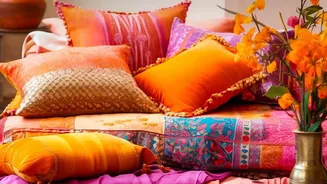
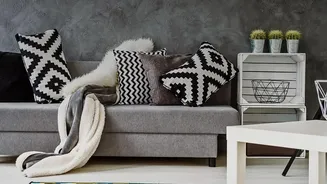
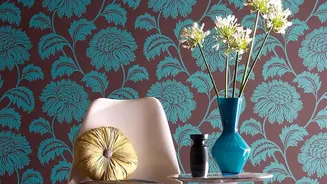
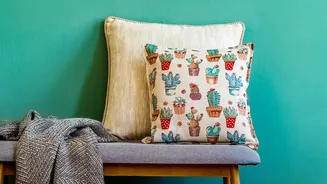
You don't have to redecorate your entire room to embrace retro patterns. A great way to start is with small accent pieces. Throw pillows, blankets, or a statement pouf in a classic chevron or diamond pattern can instantly add a touch of nostalgic charm without overwhelming the space. A well-placed retro rug can also act as a focal point, tying the room together. If you're feeling more adventurous, consider a feature wall with a bold, retro-inspired wallpaper. This creates a dramatic statement and serves as a powerful backdrop for more minimalist modern furniture.
Ground Your Patterns with Colour
The key to making bold patterns work is a cohesive colour palette. Sticking to two or three main colours helps prevent visual chaos. A popular strategy is to start with a neutral base for your walls and large furniture items, like a sofa in a soft white or warm grey. This creates a calm canvas that allows your patterned pieces to truly shine. You can then pull colours from your chosen pattern to use in other accents around the room, creating a harmonious and intentional look. For instance, if your wallpaper has hints of olive green and orange, repeat those colours in vases, artwork, or other textiles.
The Art of Mixing Patterns
Mixing different patterns is an advanced move, but the results can be stunning. The secret is to vary the scale of the prints. A large-scale floral can work beautifully with a small, tight geometric pattern. Another tip is to maintain a consistent colour palette across the different patterns. For example, you could pair a bold polka-dot pillow next to a geometric one if they both share the same two primary colours, just inverted. This creates a layered, curated feel that looks sophisticated rather than cluttered. The goal is contrast, not chaos; give each pattern some 'breathing room' to ensure the space doesn't feel overloaded.
Pattern Power in the Living Room
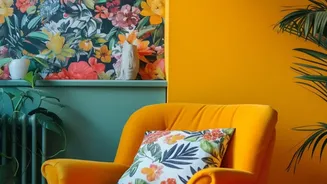
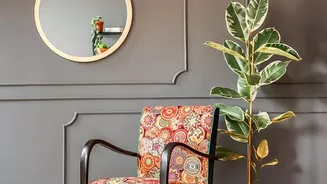
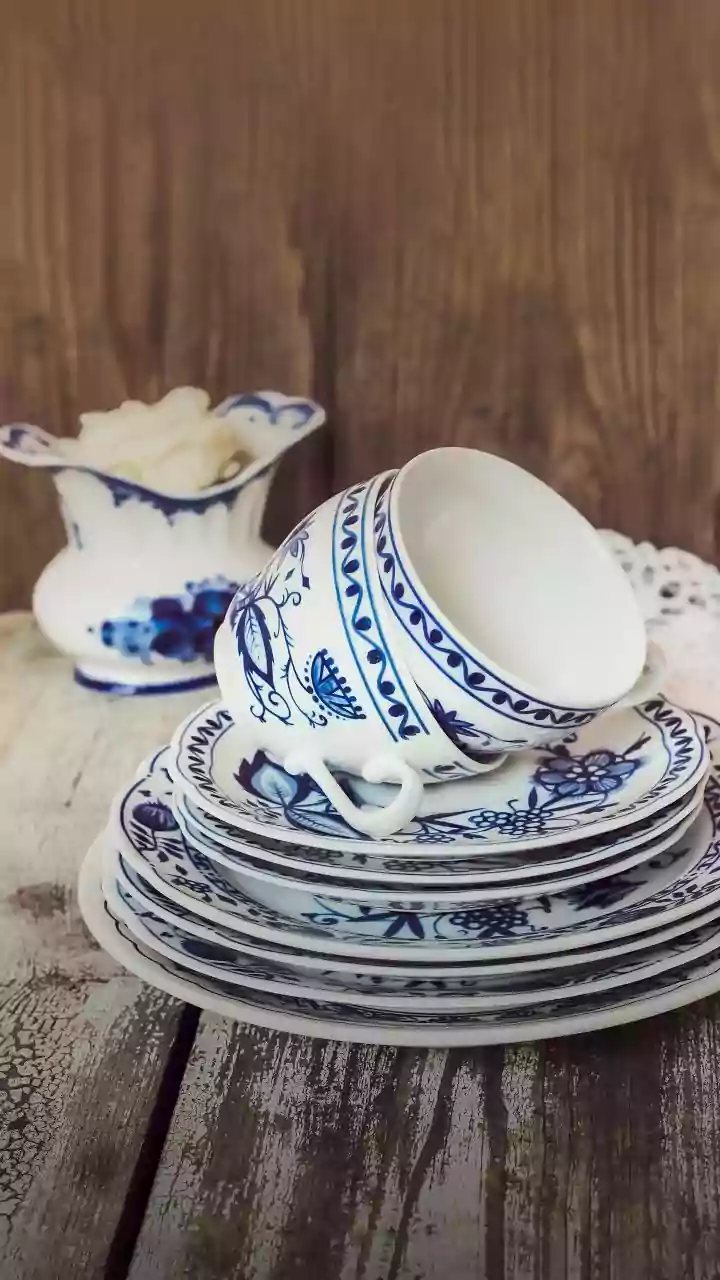
The living room is the perfect place to experiment with retro flair. A statement sofa in a textured fabric like velvet, paired with patterned cushions, can become the heart of the room. If you have a modern, clean-lined sofa, contrast it with a vintage-style rug featuring an abstract or geometric design. For a more subtle approach, focus on the details. Look for vintage-inspired lighting with unique shapes, or group retro ceramic vases on a sideboard. These smaller touches add character and tell a story, making the space feel deeply personal.
Bedroom Bliss with a Retro Twist
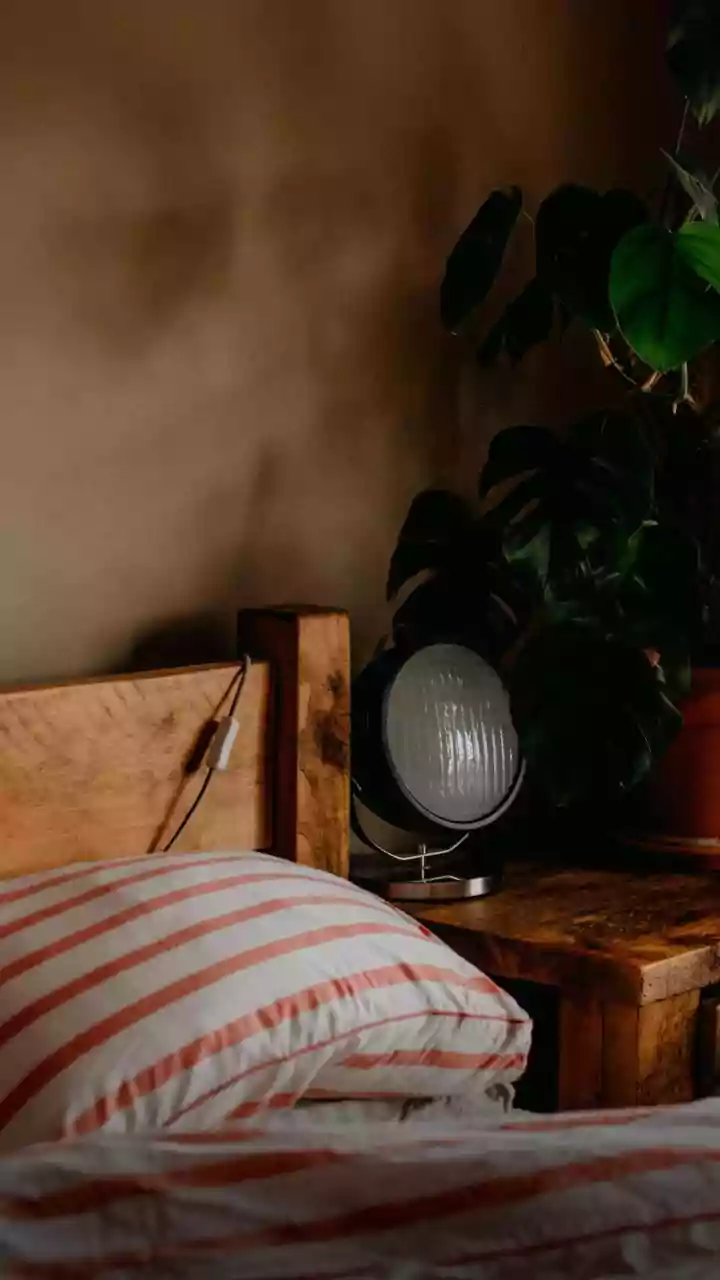
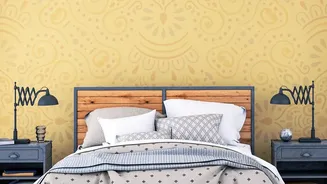
In the bedroom, patterns can create a cosy and inviting atmosphere. Patterned bedding is an easy and effective way to introduce a retro theme. Look for duvets with oversized floral prints or subtle geometric designs. A patterned headboard, either upholstered or painted, can also serve as a beautiful focal point. To keep the space serene, balance a bold pattern with solid colours elsewhere. For example, if you have a vibrant, patterned wallpaper behind the bed, keep your bedding and curtains in a simple, complementary colour. This creates a look that is both stylish and restful.