







The Main Culprit: Citric Acid
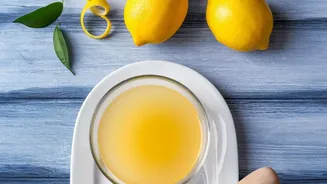
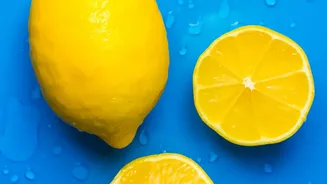
The primary reason lemons taste so sour is their high concentration of citric acid. This naturally occurring weak organic acid is found in all citrus fruits but is particularly abundant in lemons and limes, where it can make up as much as 8% of the fruit's
dry weight. To put that in perspective, the juice of a single lemon has a pH of around 2.2, making it significantly acidic. While other acids like malic acid and ascorbic acid (better known as Vitamin C) are also present, it's the sheer volume of citric acid that dominates the flavour profile and delivers that signature tartness. This acid is so fundamental to the lemon's identity that its presence is a key driver of the fruit's market value and use in everything from food preservation to flavouring.
How Your Tongue Decodes Sourness
The magic of taste happens in microscopic taste buds hidden across your tongue. Specifically for sourness, dedicated taste receptor cells, known as type III cells, are responsible for detection. These cells are equipped with special proton channels. When you sip lemon juice, the citric acid releases hydrogen ions (protons) in your saliva. These protons flow through the channels into the taste cells, causing a change in the cell's electrical charge. This depolarization triggers the cell to send a nerve signal to your brain, which interprets the message as 'sour'. It’s a direct and rapid chemical reaction, a bit like a key fitting into a lock, that allows your brain to instantly identify the acidic nature of what you're eating.
An Evolutionary Warning System
Our ability to taste sourness isn't just for kicks; it’s a deeply ingrained evolutionary trait. For our ancient ancestors, a sour taste often served as a crucial warning signal. It could indicate that a fruit was not yet ripe and therefore nutritionally poor, or worse, that food had spoiled and was potentially full of harmful bacteria. Most animal species have an aversion to sour tastes for this very reason. However, humans are among the exceptions that have come to enjoy sourness, at least in certain contexts. One theory suggests that this shift happened because sourness is also associated with Vitamin C (ascorbic acid), a nutrient humans cannot produce themselves and must get from food. A tolerance for, or even enjoyment of, sourness might have encouraged our ancestors to seek out vitamin-rich fruits, helping them avoid diseases like scurvy.
More Than Just Sour
While citric acid is the star of the show, it doesn't work alone. A lemon's full flavour profile is a complex blend of taste and aroma. The characteristic 'lemony' scent comes from aromatic compounds in the rind like citral and limonene. These olfactory signals work together with the taste on your tongue. In fact, research shows that the aroma of lemon can actually enhance the perception of sourness. The experience of eating a lemon is a multisensory event where your nose and your mouth collaborate. This interplay explains why a lemon's flavour is so much more than just a blast of acidity; it’s a rounded, aromatic, and distinctive sensation that has made it a culinary staple around the world.
From Kitchen Staple to Industrial Workhorse
The very property that makes lemons sour also makes them incredibly useful. Citric acid is a powerful natural preservative, used to extend the shelf life of countless food products by increasing their acidity, which inhibits microbial growth. It’s also used as a flavouring agent in everything from soft drinks to candies. Beyond natural sources, a manufactured version of citric acid is produced in massive quantities by fermenting sugars with a specific type of mold, Aspergillus niger. This industrial-scale production makes citric acid one of the most common food additives worldwide, used not just for flavour but also to stabilize medicines and as a disinfectant in cleaning agents. So, the compound that defines the lemon's sharp taste is also a silent workhorse in numerous products we use every day.