





Understanding the New 30-Day Rule
Effective September 15, 2026, Indian passport holders can enter Thailand for tourism without a visa but will be granted a stay of up to 30 days. This replaces the previous 60-day visa-exemption scheme that was in place since 2024. For the vast majority
of tourists planning a one or two-week holiday, this change has little practical impact. However, it is significant for those who enjoyed longer stays. The good news is that India remains on the visa-exemption list, avoiding a shift to a paid visa-on-arrival system. If you enter Thailand on or before September 14, 2026, you will still fall under the old 60-day rule. The new 30-day limit applies only to arrivals from September 15 onwards.
Why the Change? And Can You Stay Longer?
Thai authorities have stated the change aims to curb the misuse of the long-stay visa exemption by foreigners who may be working illegally or involved in criminal activities. The goal is to maintain border security while still welcoming genuine tourists. For those who wish to stay longer than 30 days, two main options exist. First, you can apply for an extension of your 30-day stay at a local Thai immigration office, which may grant an additional 30 days at its discretion. Second, if you know from the start that your trip will exceed 30 days, the recommended approach is to apply for an appropriate tourist e-Visa in advance through official channels.
Crafting Your Perfect 30-Day Itinerary
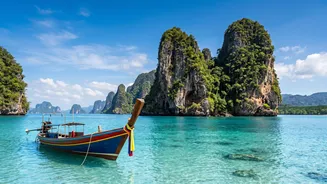
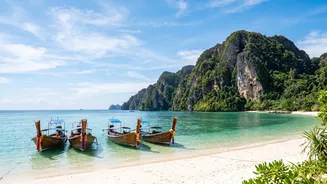
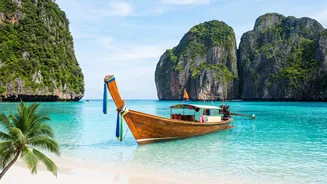
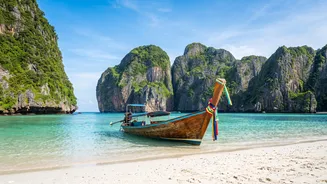
Thirty days is an ideal duration to experience Thailand beyond the usual tourist trail. Instead of a rushed tour, you can immerse yourself in the culture. Consider one of these approaches: The Classic Circuit (North & South): Spend the first week exploring Bangkok's vibrant streets and temples. Fly north to Chiang Mai and Pai for a week of mountains, elephants, and culture. Then, fly south for two weeks of island hopping between the Gulf coast (Koh Samui, Koh Tao) and the Andaman coast (Phuket, Krabi), giving you ample time for beaches, diving, and relaxation. The Deep South Dive: Dedicate the entire month to island life. Start in Phuket or Krabi and slowly make your way through the Andaman Sea's jewels like Koh Lanta, the Phi Phi islands, and the lesser-known Trang islands. This pace allows for diving courses, hidden beach discoveries, and a truly relaxed pace. * The Off-The-Beaten-Path Explorer: After a few days in Bangkok, head east to the provinces bordering Cambodia for ancient Khmer ruins. Then, venture into the northeastern Isan region, Thailand's cultural heartland, to experience authentic food and festivals far from the tourist crowds before finishing with a brief beach break.
Budgeting for a Month-Long Adventure
A month in Thailand can be surprisingly affordable with smart planning. A comfortable budget for a solo backpacker could range from ₹70,000 to ₹90,000 for the month, covering hostels, street food, and public transport. For a mid-range experience with private rooms in 3-star hotels, occasional restaurant meals, and a few domestic flights, a budget of ₹1,20,000 to ₹1,50,000 per person is a realistic target. To make your money go further, eat local street food, use public transportation or ride-sharing apps in cities, and book domestic flights and trains in advance. Always have some Thai Baht in cash, as Thai authorities require tourists to carry proof of funds, and many smaller vendors do not accept cards.
Pre-Trip Checklist for a Smooth Journey
Before you jet off, ensure you have your documents in order to avoid any hitches at immigration. The Indian Embassy in Bangkok has issued advisories highlighting several key points. Your passport must be valid for at least six months from your date of entry. Have proof of a confirmed return or onward ticket, as well as details of your accommodation for at least the first few nights. It's also mandatory to complete the online Thailand Digital Arrival Card (TDAC) before you fly. Keeping both digital and printed copies of these documents is a wise move for a seamless entry.