







The Unexpected Consequence of Convenience
The core promise of self-driving cars is the removal of the human burden from driving. Instead of focusing on the road, passengers can work, watch movies, or even sleep. This convenience, however, is at the heart of a phenomenon that researchers call
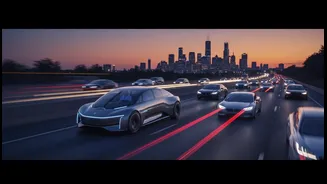
the "rebound effect." Multiple studies suggest that by making travel so effortless and productive, AVs will encourage people to take more frequent and longer trips. Projections vary, but some models show that the widespread adoption of privately owned AVs could increase vehicle miles traveled (VMT) by anywhere from 8% to over 60% without policy interventions. This isn't just about longer commutes; it includes entirely new trips that people might not have taken before.
What Drives the Travel Rebound?
Several factors contribute to this potential surge in travel. The most significant is the reduced perceived cost of time. When a two-hour commute can be used for work or relaxation, the disincentive of a long drive diminishes. This could encourage people to live even farther from their workplaces, accelerating urban sprawl. Another key driver is expanded accessibility. AVs could provide unprecedented mobility to people who cannot drive today, such as the elderly, people with disabilities, and even teenagers. While a major social benefit, this new demand adds cars to the road. Finally, there's the issue of "empty miles" or "zero-occupant trips." Privately owned AVs might be sent to pick up family members, run errands on their own, or travel from a distant parking spot, all of which adds to total mileage without carrying a passenger.
More Miles, More Potential Problems
A significant increase in vehicle miles traveled could have serious negative consequences, potentially offsetting some of the AVs' primary benefits. More cars traveling more miles could lead to increased traffic congestion, especially if most AVs are privately owned rather than shared. While connected AVs communicating with each other can improve traffic flow, a simple increase in vehicle volume remains a challenge. This added congestion and sprawl would put new strains on infrastructure. Furthermore, a travel rebound could undermine environmental goals. Even if most AVs are electric, generating the additional electricity required and the environmental cost of manufacturing more vehicles could increase overall emissions. Some studies also predict a sharp decline in the use of public transit, as people opt for the door-to-door convenience of a personal self-driving car.
A Fork in the Road for Policymakers
The future of AVs is not set in stone, and research highlights that proactive policy decisions will be crucial in shaping their ultimate impact. Simply letting the technology roll out without guidance could lead to the less desirable outcomes of increased traffic and emissions. Many studies point to shared autonomous vehicles (SAVs) as a key mitigating factor. Policies that incentivize ride-sharing could significantly curb the growth in VMT. Other potential strategies include implementing per-mile road usage charges to discourage excessive travel, investing in robust public transit that integrates with AV services, and using urban planning to promote denser, less car-dependent communities. The goal is to harness the benefits of AVs—like safety and accessibility—while managing the potential for a massive travel rebound.