


A Historic Liftoff
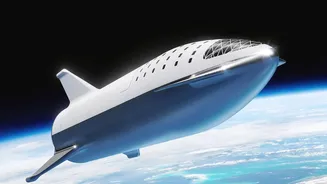
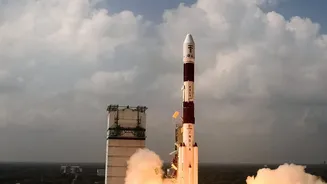
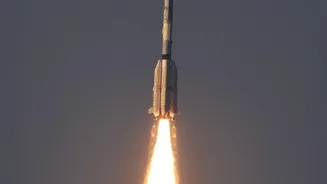
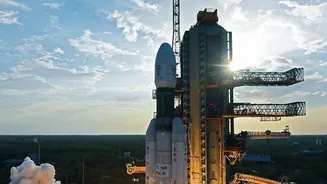
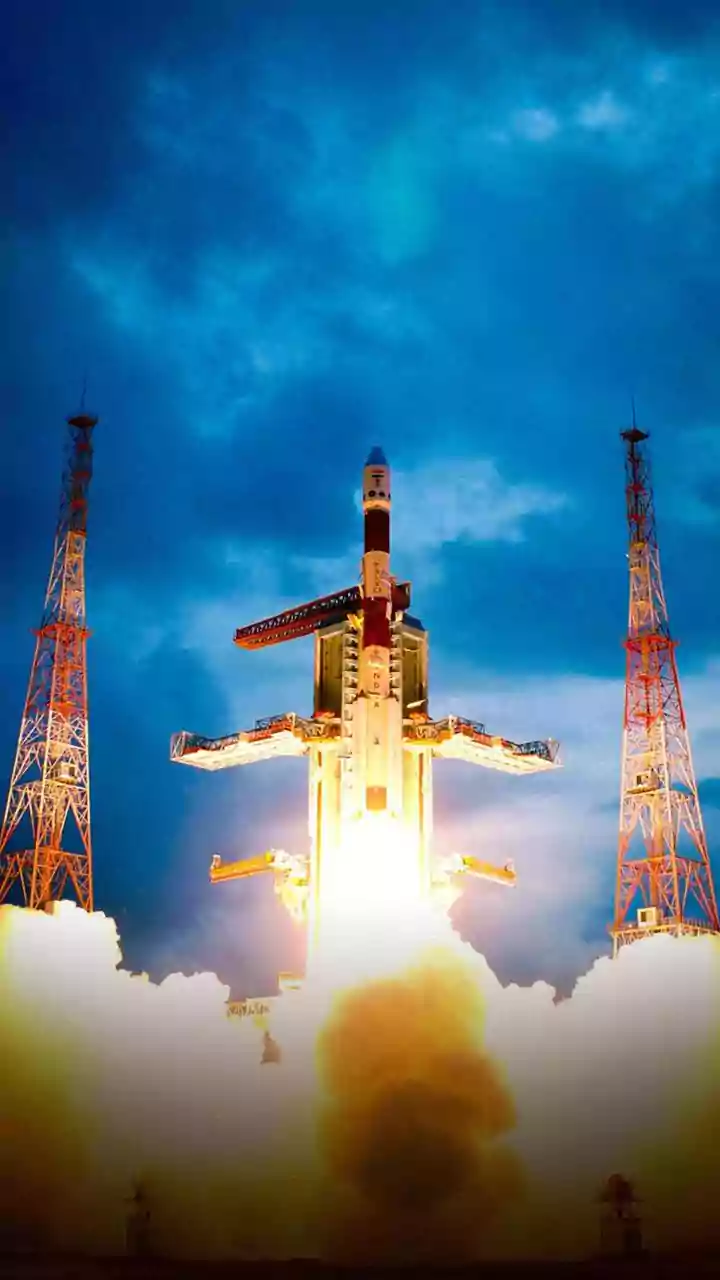
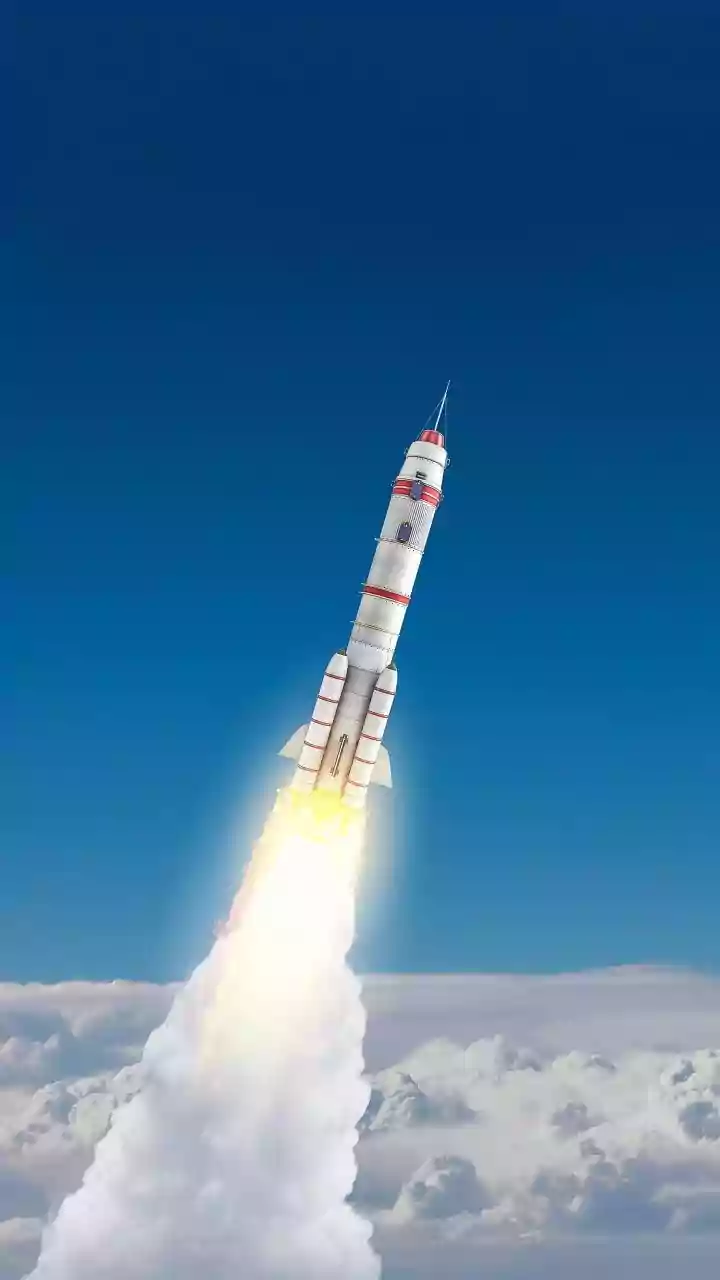
On July 18, 2026, all eyes were on Sriharikota as Skyroot Aerospace's Vikram-1 rocket soared into the sky. Dubbed Mission 'Aagaman', meaning 'arrival', the launch was more than just a success; it was a watershed moment. It made Skyroot the first private
Indian company to build and launch an orbital-class rocket, placing the country in an elite club with the U.S. and China as nations with private orbital launch capabilities. The seven-storey rocket successfully deployed multiple payloads into Low Earth Orbit, demonstrating the country's capacity to compete in the global commercial space market. This achievement was the culmination of years of effort, not only from its engineers but also from those who believed in the vision when it was little more than an idea.
The Visionary Investor
Mukesh Bansal is a name synonymous with building successful consumer brands in India. As the founder of the fashion e-commerce giant Myntra and, later, the fitness and wellness platform Cult.fit, he has a proven track record of identifying and scaling disruptive ideas. His investment philosophy, however, extends beyond mainstream consumer internet businesses. While many investors were chasing quick returns in software and e-commerce, Bansal saw potential where others saw immense risk: deep-tech and hardware-intensive ventures like space technology. In 2018, when the idea of a private Indian company launching rockets was still considered unrealistic by many, Bansal took a leap of faith.
An Audacious Early Bet
In 2018, former ISRO scientists Pawan Kumar Chandana and Naga Bharath Daka reached out to Mukesh Bansal with their ambitious plan to build rockets. At the time, India's space sector was dominated by the government-run ISRO, and a clear policy for private participation had not yet been established. Attracting capital was a significant challenge, as most venture capitalists were wary of the long development cycles, high capital expenditure, and immense technical risks associated with rocketry. Yet, Bansal was convinced by the founders' passion and vision. He became Skyroot's first angel investor, putting in an initial Rs. 12 crore when institutional funding was absent. This early backing was crucial, providing the foundational capital that allowed Skyroot to begin its journey before the government officially liberalized the space sector in 2020.
From ISRO Brains to a Billion-Dollar Startup
Skyroot's founders, Pawan Kumar Chandana and Naga Bharath Daka, brought deep technical expertise from their time at the Indian Space Research Organisation (ISRO). They founded Skyroot in Hyderabad with the mission to make space accessible and affordable. Bansal's investment was not just a financial transaction; it was a vote of confidence in their ability to translate their ambitious vision into reality. His support proved critical again during the COVID-19 pandemic, when he injected further funds to ensure the team could stay together during uncertain times. That initial bet has since paid off spectacularly. Bansal's initial investment has yielded returns of nearly 60 times, with his stake now valued at over Rs. 600 crore, alongside another Rs. 100 crore realized through partial exits.
Fueling India's Space Economy
The success of Vikram-1 is a validation of both Skyroot's technical prowess and Bansal's early conviction. More importantly, it signals a new era for India's space economy. The Indian government's 2020 reforms, which created the regulatory body IN-SPACe to facilitate private participation, have unleashed a wave of innovation. The number of active space startups has surged from just one in 2014 to over 400, attracting significant global investment. Skyroot's achievement provides a powerful proof-of-concept for other aspiring space-tech entrepreneurs and investors, demonstrating that patient capital invested in frontier technologies can generate substantial financial returns while building strategic national capabilities. It creates a new pillar for India's space ambitions, complementing ISRO's legacy of excellence.