



A Leap Above the Lanes
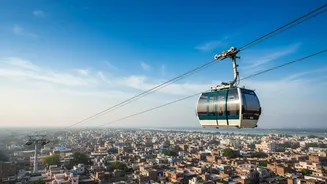
In a city where time is often measured by the density of its traffic, Varanasi's upcoming urban ropeway system represents a leap into the future. Poised to be India's first ropeway designed for public transport, it will connect the busy Varanasi Cantt
railway station with Godowlia Chowk, a key hub near the Kashi Vishwanath temple. This 3.75-kilometre aerial corridor is an audacious answer to the city's centuries-old problem: narrow, congested streets that are nearly impossible to widen without compromising its heritage fabric. Instead of going through the city, the system will go over it. For the thousands of pilgrims, tourists, and daily commuters who navigate this route, the project promises a dramatic change. A journey that can currently take anywhere from 45 to 90 minutes during peak hours will be slashed to approximately 16 minutes. This isn't just a tourist attraction; it's a genuine mass transit solution for one of India's most spiritually significant and logistically complex urban centres.
The Undeniable Need for Speed
The primary driver behind this multi-crore project is the urgent need to decongest Varanasi. Over the last decade, improved connectivity through new highways, airport expansions, and the development of the Kashi Vishwanath Dham Corridor have led to a massive increase in visitor numbers. While a boon for the economy, this has placed immense strain on the city’s historic infrastructure. The ropeway, with a planned capacity to transport up to 6,000 passengers per hour in both directions, is designed to absorb a significant portion of this traffic. By lifting thousands of commuters off the roads, the system aims to reduce vehicle emissions, ease traffic flow, and make the city more breathable. For a daily commuter or a pilgrim on a tight schedule, the promise of a predictable, 16-minute journey, irrespective of the chaos below, is a powerful incentive. Efficiency is the ropeway's core selling point.
Beyond a Fast Commute
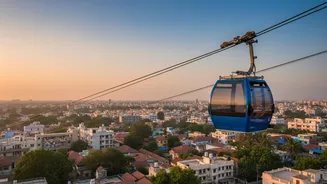
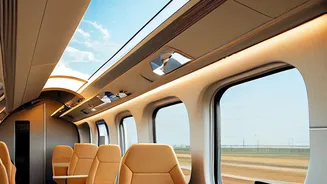
However, the long-term success of this transit system will not be measured in minutes saved alone. Passenger comfort is the other critical pillar, and it encompasses far more than just a seat in a cabin. The project's planners seem to recognise this. Stations are being designed with lifts and escalators to ensure accessibility for elderly passengers and those with disabilities. Each of the 10-seater gondolas, designed by the Swiss firm Bartholet, will be wheelchair accessible. Furthermore, cabins are planned to have advanced ventilation systems and windows made of special materials that reflect harsh sunlight, a crucial consideration for passenger comfort in the North Indian climate. The experience of waiting is also being considered, with the system designed for cabins to arrive every few seconds, minimizing queue times even during peak hours. This focus on the holistic journey is what will differentiate a merely functional system from a truly successful one.
The Experience is the Destination
In a city like Varanasi, the journey itself is part of the experience. The ropeway will offer panoramic views of the city's bustling streets and ancient architecture, a perspective previously unavailable to the public. This provides a unique opportunity to blend utility with wonder. But it also raises the stakes. An uncomfortable, stuffy, or poorly managed journey could detract from this, turning a potential highlight into a frustrating necessity. The challenge lies in managing the passenger flow smoothly, keeping stations clean and accessible, and ensuring the cabins are comfortable in all weather conditions. It's about creating a travel experience that feels safe, seamless, and dignified. As only the third city in the world to adopt a ropeway for urban transit, after La Paz in Bolivia and Mexico City, Varanasi has a chance to set a new standard for how modern technology can serve an ancient city without sacrificing its soul.