
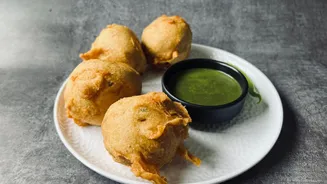
Imagine a breakfast that's crispy, savoury, and packed with protein. In India, millions start their day with the vada, a delicious street-style fritter made from lentils and simple spices, offering a perfect crunch with a soft, fluffy interior.
What Exactly Is a Vada?
Vada is
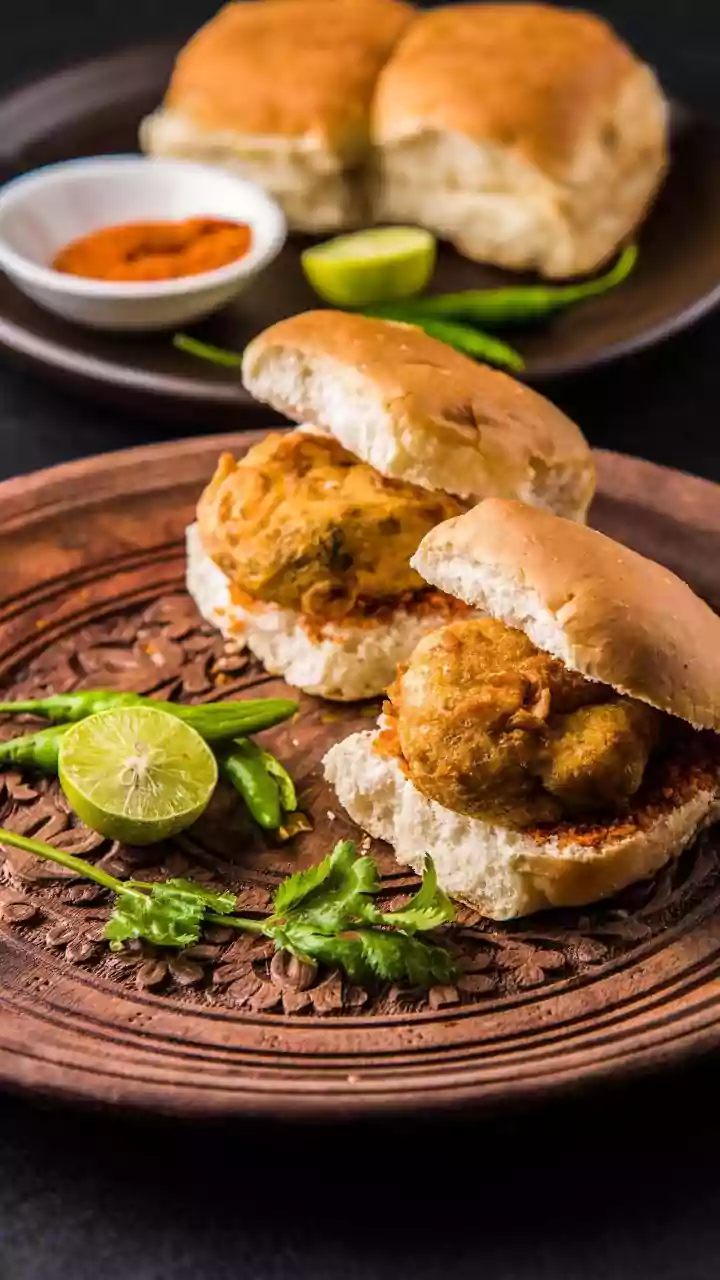
a broad term for a category of savoury fried snacks native to India, comparable to fritters or dumplings. With a history stretching back centuries, these snacks have become a cornerstone of Indian cuisine, enjoyed for breakfast, as a tea-time snack, or as part of a larger meal. The most defining characteristic of a lentil-based vada is its delightful texture: a perfectly golden and crunchy exterior that gives way to a surprisingly soft and airy inside. While there are many regional variations made from everything from potatoes to semolina, the most iconic breakfast vadas are born from lentils (dal), making them a fantastic source of plant-based protein.
The Stars of the Breakfast Table
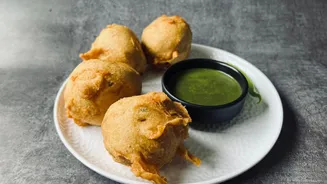
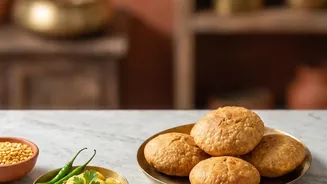
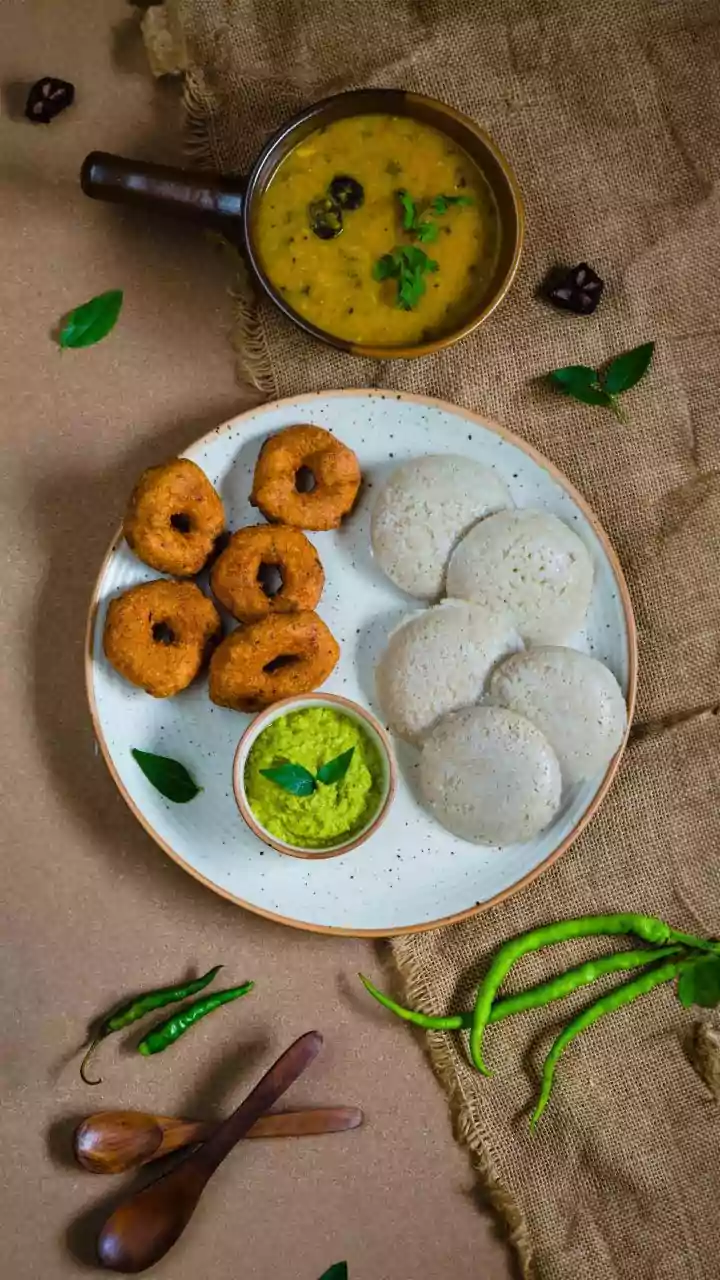
When you hear 'vada for breakfast', it typically refers to one of two South Indian superstars. First is the Medu Vada, a famous doughnut-shaped fritter. Its name comes from the Kannada word 'medu', meaning soft, which perfectly describes its pillowy interior. It's made from urad dal (split black gram) and has a mild, satisfying flavour. The other popular choice is Masala Vada, also known as Paruppu Vadai. This version is made from chana dal (Bengal gram) and is a coarser, crispier, and spicier fritter, often shaped like a flattened disc. While Medu Vada is praised for its softness, Masala Vada is loved for its robust crunch and fragrant spices.
Your Pantry's Hidden Superstars
The beauty of making vadas at home lies in its simple ingredient list, most of which are staples in a well-stocked Indian pantry. The primary ingredient is, of course, lentils—either urad dal for medu vada or chana dal for masala vada. To enhance the flavour and aroma, a few other key items are needed. Finely chopped onions, green chillies, fresh ginger, and curry leaves are almost always included. Spices like whole black peppercorns, cumin seeds, and a pinch of asafoetida (hing) are added to the batter to give the vadas their characteristic savoury taste. A little rice flour is sometimes added to the urad dal batter to ensure an extra-crispy finish, a common trick used in home kitchens.
The Magic Is in the Grind
The secret to a perfect vada lies not just in the ingredients but in the preparation of the batter. The process begins by soaking the lentils for several hours until they are soft enough to grind. For Medu Vada, the soaked urad dal is ground with very little water to create a thick, smooth, and fluffy paste. A common test is to drop a small dollop of batter into a bowl of water; if it floats, the batter is airy enough. For Masala Vada, the chana dal is ground into a coarse, almost chunky texture, which is what gives the finished product its signature crunch. This step is crucial, as the right batter consistency is what separates a dense, oily vada from a light, perfectly cooked one.
From Batter to Bliss: The Frying
Once the batter is seasoned, it’s time for the final, transformative step: frying. For the iconic Medu Vada, cooks wet their hands, take a portion of the batter, shape it into a ball, flatten it, and use a thumb to poke a hole in the center, creating its signature doughnut shape before gently sliding it into hot oil. Masala Vada batter, being coarser, is simply shaped into small, rustic patties. The vadas are deep-fried on a medium flame, allowing them to cook through evenly while the outside develops a beautiful golden-brown crust. The goal is to achieve that irresistible contrast—crisp on the outside, soft and cooked on the inside—without the fritter absorbing too much oil.
How to Serve It Street-Style
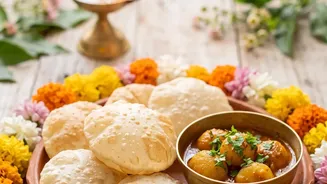
A vada is rarely served alone. The classic South Indian breakfast combination involves a plate of hot, crispy vadas accompanied by two essential sides: sambar and coconut chutney. The vada is often dunked into a bowl of hot, tangy sambar (a lentil-based vegetable stew), absorbing the flavourful broth. A side of fresh coconut chutney, either white or green, provides a cool, creamy contrast to the spicy and savoury elements of the meal. Masala Vadas are also popularly enjoyed more simply, often served with just a chutney or even plain, paired with a hot cup of tea or coffee, making it a perfect anytime snack.