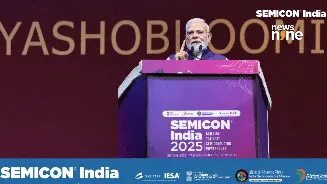









More Than Just a Conference
Scheduled for September 17-19 in New Delhi, SEMICON India 2026 is poised to be a landmark event for the nation's burgeoning electronics sector. Jointly organized by the India Semiconductor Mission (ISM) and the global industry association SEMI, the conference
will bring together global industry leaders, government officials, investors, and academia. The theme, "Silicon to Systems: Building the Ecosystem," signals a crucial shift in focus. After successfully attracting initial investments, the goal is now to build a comprehensive, resilient, and globally competitive value chain—from chip design and manufacturing to packaging, materials, and talent development. With over 500 exhibiting companies expected from around the world, the event serves as a critical forum for forging partnerships and executing on India's ambitious semiconductor strategy.
The Billion-Dollar Blueprint
SEMICON India 2026 convenes against the backdrop of the India Semiconductor Mission (ISM), a transformative government initiative backed by a massive ₹76,000 crore (approximately $10 billion) financial commitment. This program is designed to attract investment in setting up fabrication plants (fabs), assembly and testing facilities (ATMP/OSAT), and display manufacturing units. The government's vision is to reduce the country's heavy reliance on imported chips, which are the bedrock of modern electronics, and establish technological self-reliance, or 'Atmanirbharta'. The announcement of a second phase, ISM 2.0, with a focus on semiconductor equipment, materials, and intellectual property, further signals India's long-term commitment. The event will be a key platform for showcasing the on-ground progress of these projects and attracting the next wave of global investment.
The Hurdles on the Road Ahead
Despite the strong policy momentum, the path to becoming a semiconductor hub is fraught with challenges, which will be central to discussions at SEMICON India. Building a fabrication plant is incredibly capital-intensive, with costs running into billions of dollars. Furthermore, these facilities demand an ecosystem of uninterrupted, high-quality power, vast amounts of ultrapure water, and a network of suppliers for specialty gases and chemicals—most of which India currently imports. Another significant hurdle is the talent gap. While India has a strong base of chip designers, there is a critical shortage of skilled professionals in the highly specialized field of semiconductor manufacturing. Industry estimates project a shortfall of hundreds of thousands of skilled professionals by 2027, making workforce development a top priority for the conference.
From Silicon to Systems
Success in the semiconductor industry is not just about building one or two massive factories. The theme of SEMICON India 2026 emphasizes the need to build an entire ecosystem. This includes fostering a local supply chain for raw materials and manufacturing equipment, strengthening the domestic fabless design industry, and creating a robust R&D framework to drive innovation. Discussions at the event will cover everything from AI's impact on chip design to green manufacturing and waste management in the industry. With participation from states, startups, and academic institutions, the goal is to create a synergistic network where innovation can flourish. The inclusion of a dedicated workforce development pavilion and a national hackathon underscores the focus on cultivating the next generation of talent.