








Why Slower is Better for Your Gut
When we think of exercise, we often picture high-intensity workouts that get the heart pumping. But when it comes to digestive health, the opposite is often true. Intense exercise can divert blood flow away from your digestive organs to your large muscles,
which can actually slow down or interfere with digestion. Gentle yoga flips this script. By focusing on slow, mindful movements and deep breathing, you activate the parasympathetic nervous system, also known as the 'rest and digest' system. This calming response tells your body it’s safe to focus on essential functions like properly breaking down food and absorbing nutrients. Chronic stress is a major trigger for digestive issues like IBS and indigestion, and this mindful practice is a powerful way to soothe the gut-brain axis, easing both physical and mental tension.
Movement as an Internal Massage
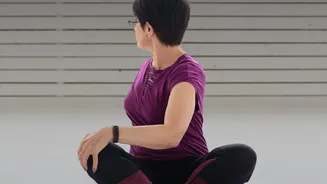
Beyond calming your nervous system, specific yoga postures act as a form of internal massage for your digestive tract. Twisting poses, for example, are renowned for their ability to gently compress and then release the abdominal organs, including the stomach, intestines, and liver. This action can help stimulate peristalsis, the wave-like muscle contractions that move food through your digestive system, which can be particularly helpful for relieving constipation. Gentle forward folds and poses that compress the abdomen can also aid in releasing trapped gas and reducing that uncomfortable feeling of bloating. It’s a way to manually encourage movement and circulation right where you need it most, helping your body perform its natural processes more efficiently.
A Gentle Routine to Start With
You don’t need to be an experienced yogi to reap the benefits. This beginner-friendly sequence is designed to be accessible and effective. The key is to move slowly and never push into pain. Listen to your body. Start by finding a comfortable spot and taking a few deep, slow breaths. Begin with the Cat-Cow stretch (Marjaryasana-Bitilasana) on your hands and knees. As you inhale, drop your belly and look up (Cow); as you exhale, round your spine and tuck your chin (Cat). Repeat this 5-10 times to gently wake up your spine and abdomen. This simple movement creates a gentle massaging effect on your stomach and intestines.
Target Bloating and Discomfort
Next, lie on your back for Wind-Relieving Pose (Pawanmuktasana). As its name suggests, this posture is excellent for relieving gas and bloating. Hug your right knee into your chest, keeping your left leg extended on the floor. Hold for five deep breaths, feeling the gentle pressure on the right side of your abdomen, which houses the ascending colon. Release and repeat on the other side, hugging your left knee in to compress the descending colon. Finally, hug both knees into your chest and gently rock side-to-side for a minute to give your lower back and entire digestive area a final, soothing massage.
Twist to Cleanse and Stimulate
A Supine Spinal Twist (Supta Matsyendrasana) is a restorative way to encourage detoxification and digestive flow. Lying on your back, extend your arms out to the sides in a 'T' shape. Bend your knees and drop them over to your left side, keeping your shoulders pressed to the floor. Turn your gaze to the right for a full spinal twist. Breathe deeply for 30-60 seconds, imagining your breath wringing out tension from your core. Return to the center and repeat on the other side. This pose is thought to stimulate blood flow to the organs and help move waste through the system.
Finish with Total Relaxation
Perhaps the most important pose of all is the final one: Corpse Pose (Savasana). It might look like you're just lying there, but this is where the magic happens. Lie flat on your back, with your legs slightly apart and your arms resting by your sides, palms facing up. Close your eyes and let go of controlling your breath. Stay here for at least five minutes, allowing your body to fully absorb the benefits of the practice. This is the ultimate reset for your nervous system, giving your 'rest and digest' response full permission to take over and get to work.