





Mapping the High-Speed Route
The proposed Delhi-Amritsar High-Speed Rail Corridor is planned as a 465-kilometre line that will connect the national capital with the holy city of Amritsar. The project is being managed by the National High Speed Rail Corporation Limited (NHSRCL), the same
body overseeing the Mumbai-Ahmedabad line. The main route is expected to originate in Delhi and pass through several key cities in Haryana and Punjab, including Rohtak, Jind, Ludhiana, and Jalandhar, before terminating in Amritsar. Critically, the plan also includes a spur line, which is a branch from the main corridor, to connect Chandigarh, ensuring the administrative and economic hub is integrated into the network.
The Need for Speed: Drastically Reduced Travel Times
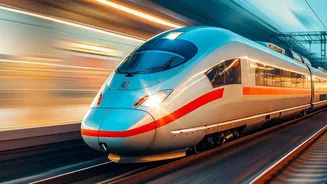
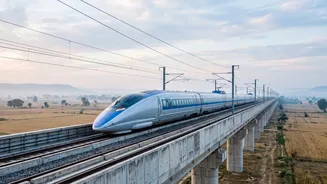
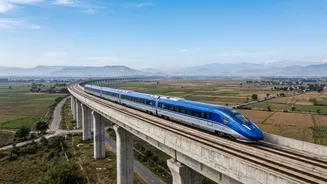
The primary allure of a bullet train is, of course, its speed. The corridor is being designed for a maximum speed of 350 kmph, with an operational speed of around 320 kmph. This would be a revolutionary change for travel in the region. The current train journey between Delhi and Amritsar can take around six hours on the fastest services. The bullet train aims to slash this to under two hours. Similarly, travel between Delhi and Chandigarh would also be significantly reduced, transforming the possibilities for daily commuting, business travel, and tourism across these interconnected economic zones.
Current Project Status
As of late 2026, the Delhi-Amritsar corridor is in the planning and preparation stage. The National High Speed Rail Corporation Limited has been preparing the Detailed Project Report (DPR), a crucial document that outlines the project's technical specifications, alignment, environmental impact, and financial costs. Tenders for various survey and design works have been initiated over the past few years to finalise the groundwork for the project. While construction has not yet begun, the completion of the DPR and subsequent approvals are the next major milestones to watch for. This corridor is one of several high-speed routes planned by the government to create a modern, nationwide rail grid.
Economic and Strategic Importance
The impact of such a corridor extends far beyond just faster travel. By linking major industrial and agricultural centres like Ludhiana and Jalandhar with the national capital, the project is expected to provide a major boost to economic activity. Businesses can expect more efficient logistics and greater movement of people, fostering new opportunities. Furthermore, improved connectivity to Amritsar and Chandigarh could significantly enhance tourism. Strategically, the line strengthens connectivity in a border state, which carries importance beyond purely economic considerations. The project is part of a broader vision to modernise India's infrastructure, create jobs, and reduce congestion on roads and conventional railways.
Challenges on the Track Ahead
Like any mega-infrastructure project, the bullet train corridor faces significant hurdles. Land acquisition is often one of the most complex and time-consuming challenges for linear projects like railway lines, especially as they pass through populated and agricultural areas. The sheer cost of construction, estimated to be substantial, requires robust financial planning and funding models. Ensuring the affordability of fares to encourage a shift from existing modes of transport will also be a key consideration for its long-term success. These challenges must be carefully navigated for the project to move from the drawing board to reality.