




The Universal Celebration: Pakoras and Chai
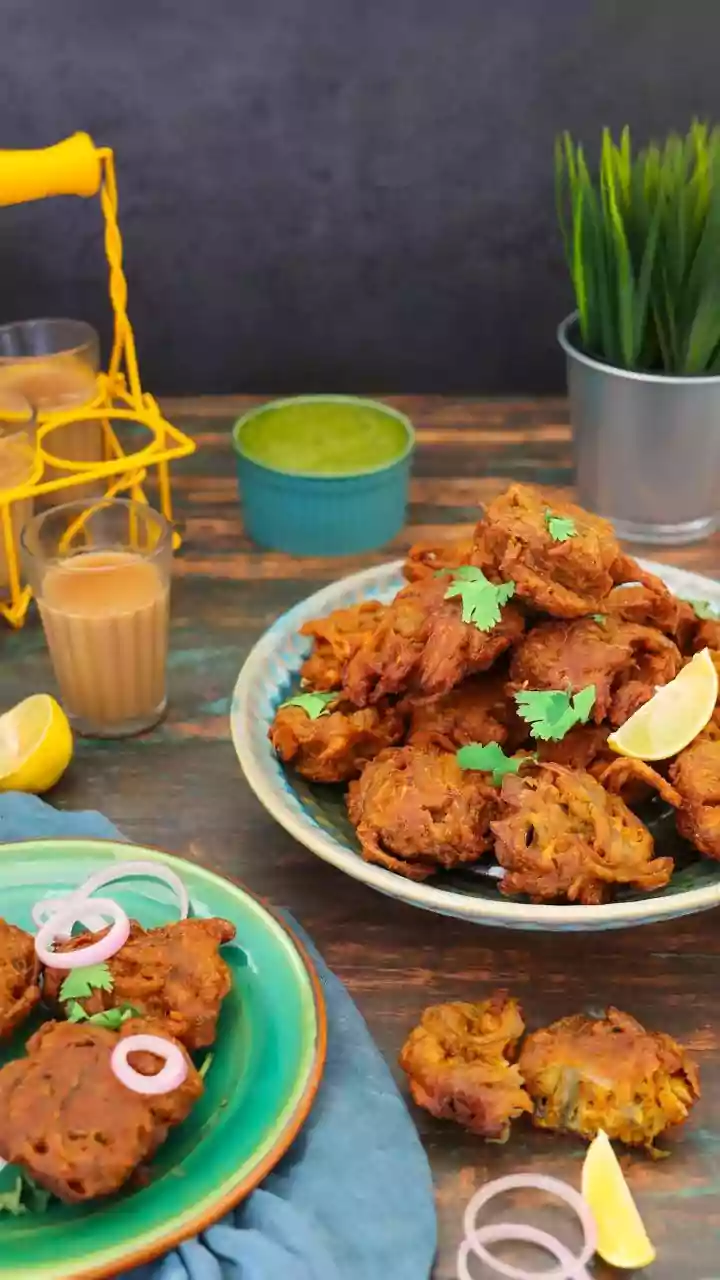
Across the length and breadth of India, the combination of hot, crispy pakoras and a steaming cup of masala chai is the unofficial uniform of the monsoon. This pairing is less a dish and more a ritual, a sensory response to the cool, damp weather. Whether
it's onion bhajis in Maharashtra, potato and chilli fritters in Delhi, or simply assorted vegetable pakoras made at home, the concept is the same: morsels of gram flour-battered goodness, deep-fried to golden perfection. Psychologically, the warmth and crunch provide a satisfying contrast to the gloom outside, triggering feelings of comfort and nostalgia that are deeply woven into the fabric of Indian family life.
The Street-Side Staple: Bhutta
As monsoon clouds gather, another familiar sight appears on city streets: the bhutta-wala. Carts loaded with fresh corn on the cob become hotspots, with vendors roasting the corn over hot coals until the kernels are charred and tender. This isn't just any corn; it's a flavour experience. Once roasted, the hot cob is vigorously rubbed with a mixture of salt, red chilli powder, and tangy lime juice. Every bite offers a smoky, spicy, and sour burst that is quintessentially monsoon. It’s a healthy, simple, and universally loved street food that captures the celebratory spirit of the season in every kernel.
The Ultimate Comfort: A Bowl of Khichdi
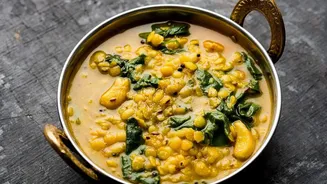
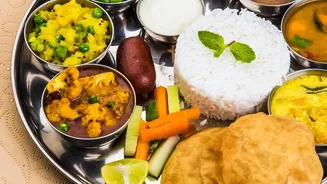
When the rains are relentless and the mood calls for something nourishing and warm, India turns to khichdi. This humble one-pot dish of rice and lentils is the embodiment of comfort food. Often considered easy to digest and soothing for the gut, it's a practical choice during a season when digestive issues can be common. But khichdi is far from boring. In Bengal, 'khichuri' is a celebrated dish, often cooked with vegetables and served with fried eggplant or fish. In Gujarat, it's frequently paired with a tangy kadhi. Served with a generous spoonful of ghee, a side of pickle, and some papad, khichdi is a complete, heartwarming meal that feels like a hug in a bowl.
The Bengali Delicacy: Ilish Macher Jhol
For Bengalis, the monsoon signals the arrival of the 'queen of fish'—the Hilsa, or Ilish. This fish is anadromous, meaning it swims from the sea upstream into freshwater rivers to spawn during the rainy season. This journey makes the fish particularly fatty, oily, and incredibly flavourful, a prized delicacy that is eagerly awaited all year. Entire festivals and family rituals revolve around it. One of the most cherished preparations is Shorshe Ilish, where the fish is cooked in a pungent and sharp mustard paste gravy. It's a true celebration on a plate, representing a deep cultural connection between a season, a river, and its people.
The Keralan Classic: Pazham Pori
Travel south to Kerala, and the phrase "rain, kattan chai, and pazham pori" evokes instant comfort. Pazham Pori, or banana fritters, are a beloved tea-time snack, especially when the rain is lashing down. Slices of ripe plantains, specifically the local Nendran variety, are dipped in a sweet batter made from flour and a hint of turmeric for colour, then deep-fried until golden and puffy. The result is a snack that's crispy on the outside while the banana inside becomes soft, sweet, and almost melts in your mouth. Paired with a simple black tea (kattan chaya), it's a comforting ritual enjoyed in homes and street-side stalls across the state.
The Wholesome Bite: Moong Dal Cheela
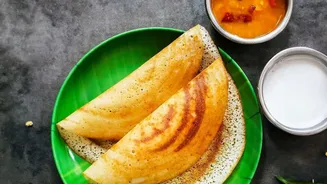
Striking a balance between indulgence and health, the Moong Dal Cheela is a popular North Indian snack that shines during the monsoon. These savory pancakes are made from a batter of soaked moong lentils (split yellow lentils), seasoned with ginger, green chillies, and spices. They are pan-fried until crisp and can be stuffed with fillings like grated paneer or chopped vegetables. Light, protein-packed, and easy to digest, cheelas offer a wholesome alternative to deep-fried snacks without sacrificing flavour. They are often served with green chutney, making for a satisfying and nutritious bite on a cool, rainy evening.