






The Science of Spice
Inside every whole spice, whether it’s a seed, bark, or pod, are powerful volatile oils. These compounds are what give spices their signature scent and taste. When a spice is kept whole, its tough exterior acts as a natural protective barrier, keeping
those oils locked inside. This is why whole spices stay fresh far longer than their pre-ground counterparts. Grinding a spice breaks it down and exposes a massive amount of surface area, causing those delicate aromas to dissipate quickly into the air. To get the most from your whole spices, you need to apply heat or pressure to break down their cellular walls and coax those oils out. This is where a little bit of technique transforms good cooking into great cooking.
Technique 1: Dry Toasting for Nutty Depth
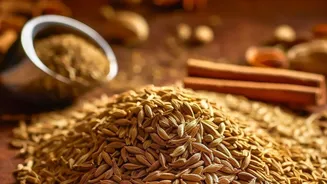
Dry toasting is the simplest way to wake up your spices. By heating whole spices in a dry skillet over medium heat, you trigger chemical changes that create deeper, nuttier, and more complex flavours. This method works wonders for seeds like cumin, coriander, and fennel. To do it, place your whole spices in a heavy-bottomed pan and heat them, shaking the pan or stirring constantly to prevent scorching. You don’t need a timer; your nose is the best guide. In just a few minutes, you'll notice the spices become intensely fragrant. Once they are aromatic and perhaps a shade darker, immediately transfer them to a cool plate to stop the cooking process. Burnt spices taste acrid and can ruin a dish, so this last step is crucial. Once cooled, you can use them whole or grind them into an exceptionally potent powder.
Technique 2: Blooming in Fat for Richness
Blooming, also known as tempering or 'tadka' in Indian cuisine, involves frying whole spices in hot oil or ghee. This method is incredibly effective because many of the flavour compounds in spices are fat-soluble. The hot fat not only extracts these compounds but also acts as a carrier, distributing their aroma and taste evenly throughout the entire dish. To bloom spices, heat a small amount of oil in a pan. Once the oil is hot, add your whole spices, such as mustard seeds, cumin seeds, or dried chillies. They will begin to sizzle and pop almost immediately. This process is very fast—often taking less than a minute. As soon as the spices are fragrant and lively, you can pour the infused oil over a finished dish like dal or vegetables, or use it as the flavour base at the beginning of a recipe before adding other ingredients.
Technique 3: Slow Infusion for Subtle Flavor
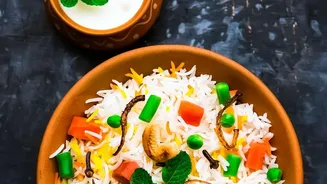
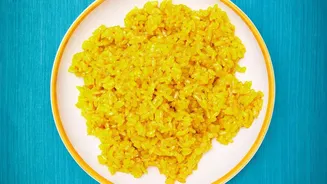
Not every dish requires the intense punch of toasted or bloomed spices. For soups, stews, brines, and even beverages like tea or infused spirits, a slow, gentle infusion is the perfect approach. When you simmer whole spices like cinnamon sticks, star anise, cloves, or cardamom pods in a liquid, their flavour is extracted gradually. This creates a more subtle, layered complexity that permeates the entire dish without overpowering it. Unlike dry toasting, which develops nutty notes, infusing in liquid tends to preserve the spice's inherent character. Simply add your whole spices to the liquid at the beginning of the cooking process and let them simmer away. For recipes like rice pilaf, whole spices can be added to the cooking water to lend a delicate aroma. Just remember to fish out the larger pieces before serving, as biting into a whole clove can be an unpleasant surprise.