




The First Rule: Start Small
The most common mistake when cooking with turmeric is using too much. Its flavour is potent and can quickly shift from pleasantly earthy to overwhelmingly bitter. A good rule of thumb is to start with a small amount—often just a quarter or half teaspoon
for a dish that serves four. You can always add more later, but you can't easily take it out. For those new to the spice, using it sparingly allows you to appreciate its subtle warmth and brilliant colour without overpowering the other ingredients in your soups, stews, or vegetable dishes.
Bloom in Fat to Unlock Flavour
One of the most effective techniques for taming turmeric's raw, bitter edge is to 'bloom' it. Turmeric's primary flavour compound, curcumin, is fat-soluble, not water-soluble. This means its flavour and colour are best released when cooked gently in a fat like oil, ghee, or butter before adding any liquids. Simply heat your oil over medium heat, add your ground turmeric, and sauté for 30 to 60 seconds until it becomes fragrant and the oil turns a beautiful golden colour. This simple step transforms the spice, mellowing its bitterness and infusing your entire dish with a deeper, more rounded flavour. It’s often done right after sautéing aromatics like onions and garlic.
Balance with Acidity and Sweetness
If you find the taste of turmeric slightly too sharp or earthy, a touch of acid or sweetness can work wonders to create balance. A squeeze of lemon or lime juice at the end of cooking can cut through the earthiness and brighten the entire dish. Ingredients like tomatoes, tamarind paste, or even a splash of vinegar can also help neutralise any potential bitterness. For certain recipes, especially those with a South Asian influence, a little sweetness from honey or coconut milk can also mellow the flavour profile, creating a more harmonious result.
Know Your Turmeric: Fresh vs. Powdered
While powdered turmeric is the most common form found in spice cabinets, fresh turmeric root is also a fantastic option. Fresh turmeric, which looks similar to ginger root but with a vibrant orange interior, has a milder, more citrusy flavour than its dried counterpart. You can grate it directly into dishes just as you would with fresh ginger. A general conversion is that one inch of fresh root is equivalent to about one teaspoon of powder. Because its flavour is less intense, fresh turmeric is excellent in drinks, smoothies, and dressings where you want a brighter, less bitter note.
Build a Flavourful Team of Spices
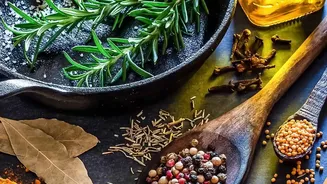
Turmeric shines brightest when it's part of a well-rounded team of spices. It rarely stands alone in traditional cuisines. Pairing it with complementary spices helps to create a more complex and balanced flavour profile. Cumin and coriander are classic partners in many Indian dishes, adding earthy and citrusy notes. Ginger provides a warm, pungent kick, while cinnamon and cloves can add a touch of sweetness and warmth. And don't forget black pepper; a compound in it called piperine not only helps your body absorb curcumin but also provides a spicy counterpoint to turmeric's flavour.
Simple Ideas for Everyday Meals
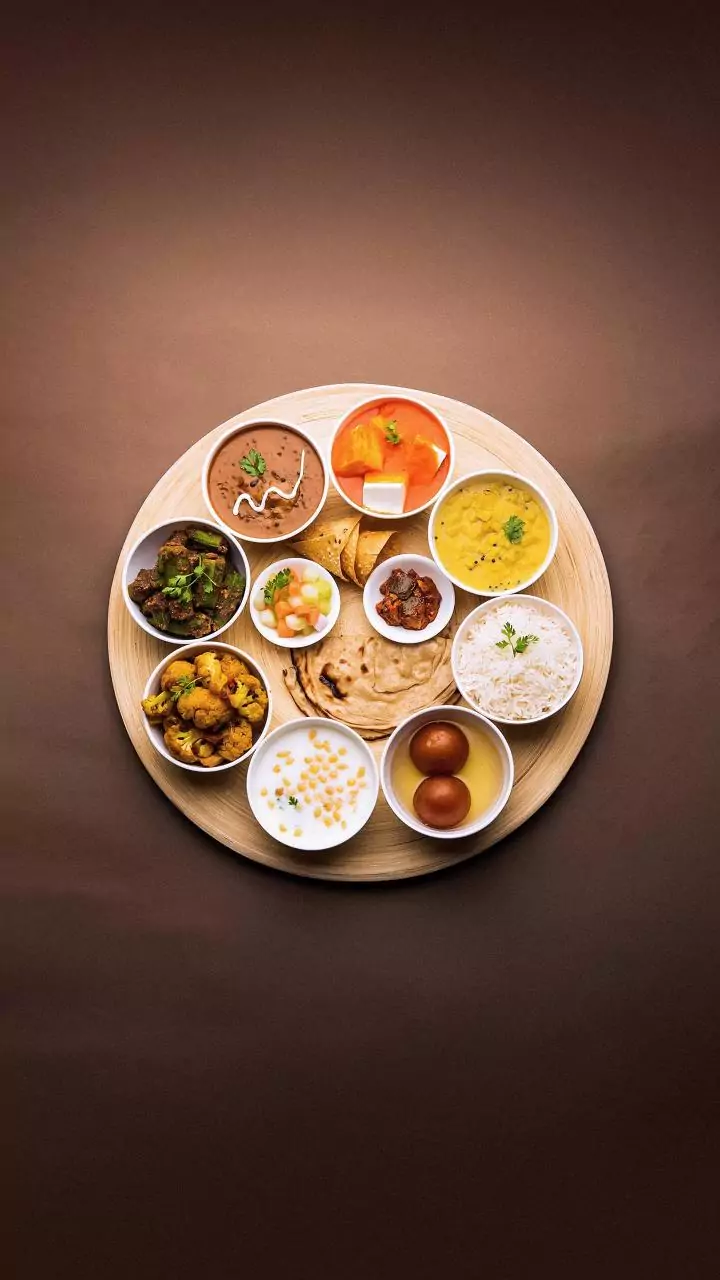
Incorporating these techniques is easy. Add a pinch of bloomed turmeric to the water when cooking rice for a beautiful golden hue and subtle flavour. Toss roasted vegetables like cauliflower or potatoes with oil, turmeric, and other spices before they go into the oven. A small amount can bring warmth to lentil soups (dal) and chickpea curries, especially when balanced with coconut milk. You can even stir a little into a salad dressing with lemon juice and olive oil for a colourful, healthy boost.