







Understanding the Global Recognition
The World's 50 Best Hotels list is one of the most anticipated announcements in the global hospitality industry. Decided by a panel of over 800 international travel experts, including journalists, hoteliers, and seasoned travelers, a high ranking is a true
mark of distinction. This year, the Taj Mahal Palace in Mumbai was the only hotel from India to make the coveted top 50, moving up from its position at #38 last year. The organization hailed the property as a "Mumbai icon" celebrated for its "grandeur, exemplary design and hospitality." This climb signifies a renewed global appreciation for a landmark that has long been a symbol of Indian pride.
A Legacy of Heritage and Resilience
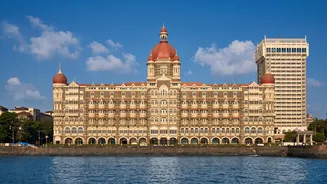
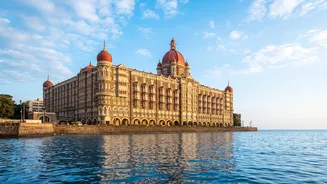
You cannot talk about the Taj without acknowledging its history. Opened in 1903 by Jamsetji Tata, it was the first luxury hotel in India that was truly Indian-owned. For over a century, its Indo-Saracenic domes have watched over the Gateway of India, becoming an inseparable part of the city's identity. The hotel has hosted royalty, dignitaries, and celebrities from across the globe. More than just a luxury destination, it is a symbol of resilience, particularly demonstrated by the courage of its staff during the 2008 terror attacks, an act that further cemented its place in the nation's heart. This deep, storied past provides an emotional weight and authenticity that few hotels in the world can match.
The Philosophy of 'Tajness'
A key factor in the hotel's enduring appeal is its service philosophy, often referred to as 'Tajness'. This ethos is rooted in the Indian tradition of 'Atithi Devo Bhava' (The guest is God) and blends it with modern, intuitive service. It’s a promise of sincere care that goes beyond standard five-star protocols. The group has formalized this philosophy to ensure a consistent experience, focusing on everything from the subtle fragrance of jasmine in the corridors to unique rituals like traditional afternoon tea and gentle wake-up yoga. This commitment to creating a sense of place and providing genuine warmth, rather than just transactional service, is a powerful differentiator noted by guests and award voters alike.
Balancing Old-World Charm with Modern Luxury
While its heritage is a cornerstone, the Taj is not a museum. A major reason for its success is the seamless way it balances old-world elegance with contemporary expectations. The heritage wing, with its grand corridors, period artwork, and crystal chandeliers, offers a journey back in time. In contrast, the Tower Wing provides a more modern aesthetic with floor-to-ceiling windows and muted tones. The ability to preserve its historic charm while offering state-to-art wellness facilities, personalized hospitality, and modern comforts is crucial. This blend ensures it appeals to a wide range of luxury travelers, from those seeking history to those desiring the latest amenities.
A Premier Culinary Destination
Exceptional hotels are often defined by their food, and the Taj is a culinary institution. It houses some of the country's most famous fine-dining restaurants. Golden Dragon was India's first authentic Sichuan restaurant, while Sea Lounge is an iconic spot for afternoon tea. The internationally acclaimed Wasabi by Morimoto offers world-class Japanese cuisine, with ingredients often flown in directly from Japan. The hotel even offers an ultra-exclusive private dining experience at the Chef's Studio. This diversity and commitment to high-quality, authentic culinary experiences make the hotel a destination for gourmands and significantly contribute to its overall prestige and ranking.