





Walking in the Footsteps of Babur
For many Indians, the story of Uzbekistan begins with a familiar name: Babur. The founder of the Mughal Empire, whose legacy is etched across India, was born in the Fergana Valley of modern-day Uzbekistan. While his journey led him to India, the cultural
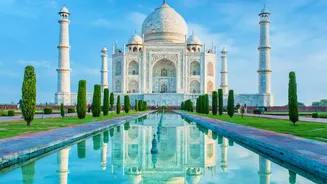
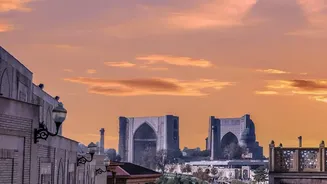
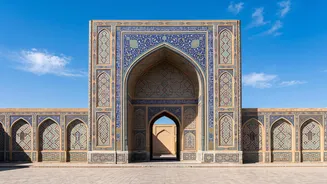
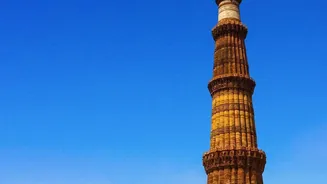
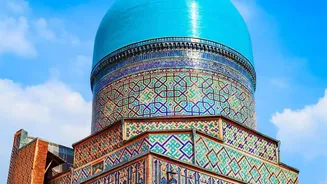
and architectural DNA he carried from his homeland profoundly shaped the subcontinent. This shared heritage is not just a footnote in a history book; it's a living connection. When you walk through the majestic squares of Samarkand or the ancient alleys of Bukhara, you're seeing the architectural inspiration for the tombs and palaces of Mughal India. The intricate tilework, grand domes, and majestic archways feel like a prequel to the story many of us grew up with. It's a journey that connects the dots between the Timurid dynasty of Central Asia and the grand Mughal narrative, offering a unique sense of historical homecoming.
An Enduring Story Made Effortless
History is a powerful draw, but modern practicalities make the journey possible. In recent years, Uzbekistan has become significantly more accessible to Indian travellers. The government has actively worked to boost tourism, with direct flights now connecting major Indian cities like Delhi and Hyderabad to Tashkent in just a few hours. Airlines like Uzbekistan Airways and Centrum Air operate multiple weekly flights, making the trip both quick and convenient. Furthermore, recent visa policies have simplified entry. While an easy e-visa system has been in place, a 30-day visa-free entry for Indian citizens was announced in late August 2026, aiming to further boost tourism and cultural exchange. Another rule allows Indian citizens holding valid multiple-entry visas from countries like the US, UK, or Schengen states to enter Uzbekistan visa-free for 30 days, making it an easy add-on to an international trip. These developments show a clear intention: the story of shared heritage is now an open invitation.
The Silk Road Cities: A Feast for the Senses
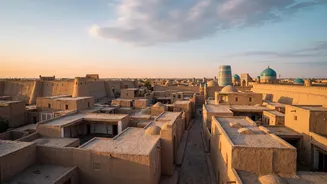
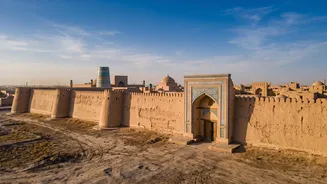
Beyond the Mughal connection, Uzbekistan is the heart of the ancient Silk Road, and its legendary cities are destinations in their own right. Tashkent, the modern capital, offers a blend of Soviet-era architecture and bustling bazaars like Chorsu. A high-speed train can whisk you away to Samarkand, home to the breathtaking Registan Square, a stunning plaza framed by three ornate madrassahs that glow at night. Then there's Bukhara, a city so well-preserved it feels like an open-air museum, with its Poi Kalon complex and the Ark fortress. For the Indian palate, the food is both a discovery and a delight. The national dish, plov, is a flavourful rice pilaf with meat and vegetables, reminiscent of a hearty pulao. You'll also find samsa, baked triangular pastries filled with meat or vegetables, which are the predecessors to our beloved samosa. These familiar flavours, combined with the stunning sights, create a travel experience that is both exotic and comfortably familiar.
Affordable Grandeur
In a world of ever-rising travel costs, Uzbekistan stands out as a destination that offers immense value. The affordability of the trip is a significant part of why its story matters to Indian travellers today. Round-trip flights can be found for between ₹25,000 and ₹35,000, and sometimes even lower with advance booking. Once there, the cost of living is remarkably low. A comfortable 10-day trip, including accommodation, food, and internal transport, can be managed within a budget of ₹55,000 to ₹65,000 per person. You can stay in clean and friendly hostels or guesthouses for around ₹1,200 a night and enjoy a hearty meal for just a few hundred rupees. This affordability means the grandeur of the Silk Road and the depth of its history are not locked away for only luxury travellers. It makes a historically rich and visually stunning international holiday accessible to a much wider range of Indian adventurers.