


Why Post-Monsoon is Prime Time
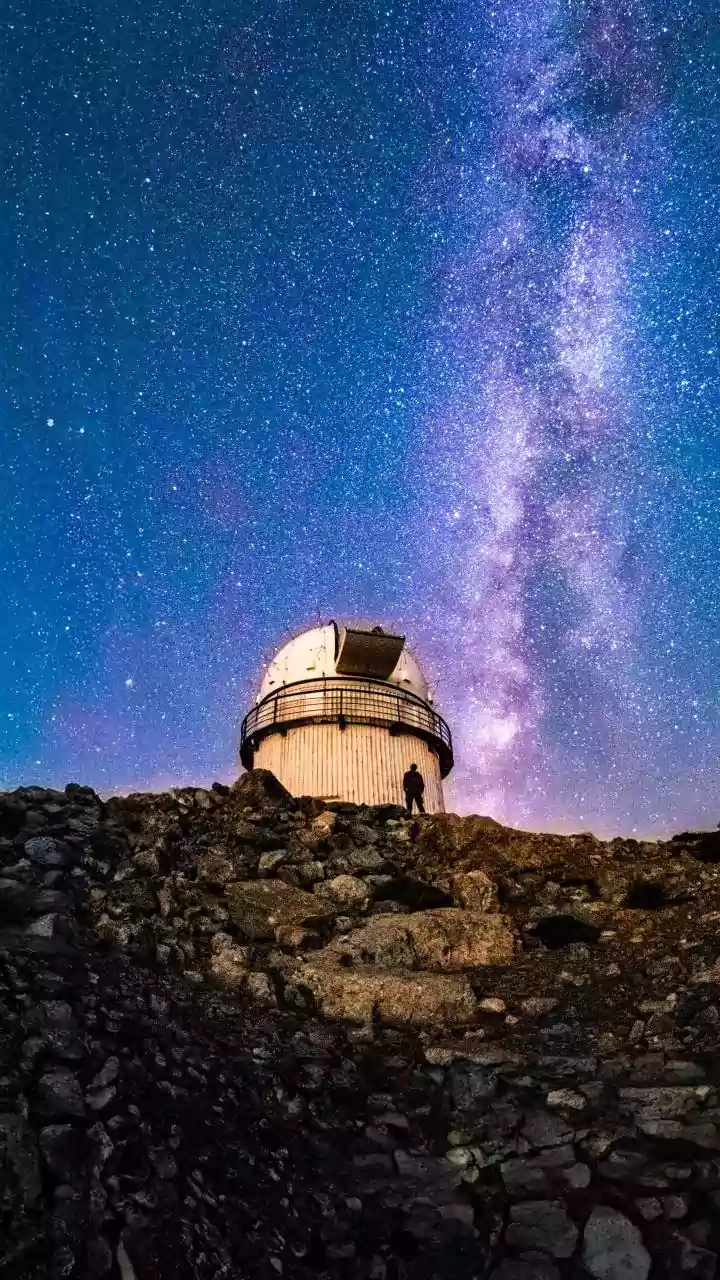
The period from October to May is widely considered the best season for stargazing near Mumbai. The monsoon washes away atmospheric dust and pollutants, leaving behind exceptionally clear and transparent skies. As the humidity drops, especially from December
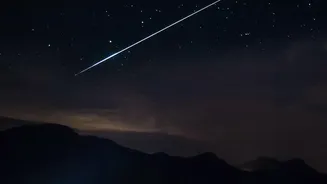
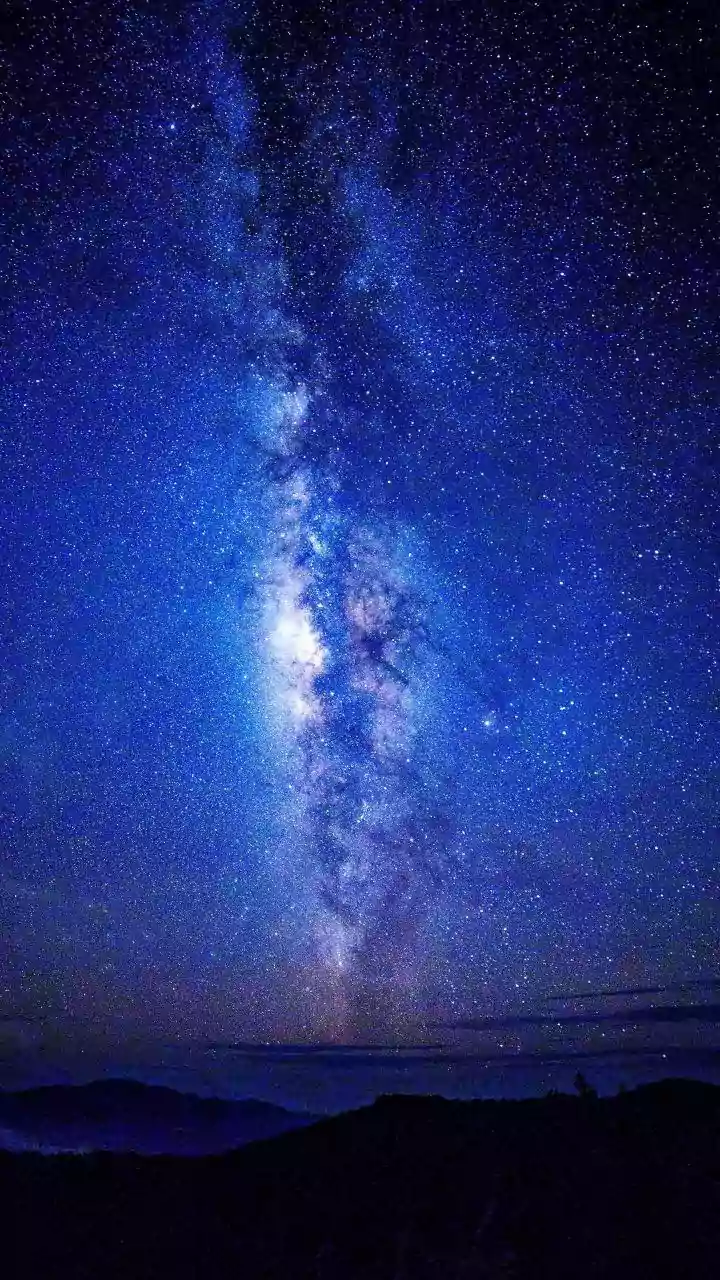
to February, visibility reaches its peak. This clarity, combined with moonless nights, provides the ideal conditions to see thousands of stars, planets, and even the faint, beautiful stretch of the Milky Way galaxy, which is often completely invisible from the light-polluted city. While Mumbai itself is rated as a Bortle Class 8 or 9 light-pollution zone (meaning you can see only a handful of stars), a drive of just a few hours can transport you to Bortle 3 or 4 sites, where the celestial show is spectacular.
Dehene: The Go-To Astro-Tourism Hub
Nestled in the foothills of the Sahyadris near Asangaon, Dehene village has become a hotspot for amateur astronomers and weekend campers. Its location, shielded from major city lights, provides an unobstructed and pristine view of the night sky. It's an ideal setting for both naked-eye stargazing and astrophotography, particularly capturing star trails against the silhouette of the Ajoba Hills. Numerous operators host weekend events here, often including transport from Asangaon station, tented accommodation, local meals, and guided sessions with telescopes. Experts are on hand to help you identify constellations, planets, nebulae, and distant galaxies, making the experience both magical and educational.
Bhandardara: Lakeside Cosmic Views
Famous for its monsoon beauty, Bhandardara transforms into a stargazing paradise post-rains. Situated about 165 km from Mumbai, the area around the dam and lake offers some of the darkest skies in the region. Camping by the serene lakeside lets you witness a dazzling display of cosmic objects as the night progresses. The elevation and location within the Sahyadri ranges ensure minimal light pollution. Many organized trips to Bhandardara include everything from tents and meals to powerful telescopes for observing planets like Saturn and Jupiter, star clusters, and nebulae. Some itineraries even combine the night of stargazing with a daytime trek to nearby sites like Sandhan Valley or Ratangad Fort.
Naneghat: History Among the Heavens
For a mix of trekking and stargazing, the ancient mountain pass of Naneghat is an excellent choice. At an elevation of over 2,400 feet, you are literally closer to the stars, with no city glow to spoil the view. The trek itself can be done during the day or at night, but the reward is a panoramic vista of the cosmos. The area is remote enough to offer pin-drop silence and an incredibly dark sky, perfect for spotting constellations or even meteor showers. After a night spent galaxy-hunting, you can explore the historic caves with inscriptions dating back to the 1st century, adding a layer of archaeological discovery to your celestial escape.
Vaitarna: Riverside Serenity and Stars
The area around the Vaitarna Dam, near Igatpuri, is another fantastic option for a stargazing getaway. The campsite locations here are often in designated dark spots, making them ideal for serious astrophotography, including capturing the Milky Way. Being by the riverside adds a unique element of tranquility to the experience. Organizers offer packages that often include transport from Kasara station, riverside camping, local food cooked on a 'chulha', and detailed stargazing sessions with telescopes. It is a less-frequented destination, offering a peaceful retreat where you can truly disconnect and soak in the night sky.