






What is FSSAI’s New Labelling Plan?
After years of debate and following a directive from the Supreme Court, the Food Safety and Standards Authority of India (FSSAI) has proposed a mandatory Front-of-Pack Labelling (FoPL) system. The plan involves placing a distinct, red-coloured hexagonal
warning symbol on packaged foods and beverages that are high in fat, sugar, or salt—often called HFSS foods. These labels will carry clear, simple text like “HIGH SUGAR,” “HIGH FAT,” or “HIGH SALT” to help consumers quickly identify potentially unhealthy products without having to decode complex nutrition tables on the back of the pack. The move is a significant step towards greater transparency and aligns India with global best practices in public health.
Understanding the Two-Phase Rollout
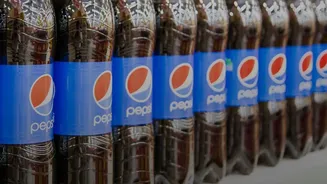
The FSSAI has proposed implementing these new warning labels in two distinct phases to give the food industry time to adapt. In Phase I, the red hexagonal warning will be mandatory for products that are high in two or more of the concerning nutrients: added fat, added sugar, and salt. This initial stage also includes specified sweetened beverages. Phase II will expand the rule's scope significantly. In this second stage, the warning label requirement will apply to products that are high in even a single one of these nutrients. This staggered approach is designed to balance public health goals with the industry's need to reformulate products and update packaging.
The Public Health Crisis Driving the Change
This regulatory push is not happening in a vacuum. India is facing a growing crisis of non-communicable diseases (NCDs) like diabetes, obesity, and hypertension. Health experts have increasingly pointed to the rising consumption of ultra-processed and packaged foods, which are often laden with unhealthy amounts of sugar, salt, and fat, as a major contributor to this health burden. According to the Indian Council of Medical Research (ICMR), unhealthy diets are responsible for a significant portion of India's total disease burden. The new labels are seen as a critical public health intervention to empower consumers to make healthier choices and curb the NCD epidemic, particularly among children and other vulnerable groups.
The Long Debate: Warning Labels vs. Star Ratings
The final proposal for a warning-based system comes after a long and contentious debate. For years, one of the main alternatives considered was a Health Star Rating (HSR) system, similar to what is used in Australia and New Zealand. This model would have assigned products a rating from half a star to five stars based on their overall nutritional profile. While the food industry largely favoured the star rating system, public health advocates and doctors argued strongly against it. They contended that star ratings could be confusing, create a misleading “health halo” on junk food, and would be less effective than direct, unambiguous warnings at discouraging consumption of unhealthy products. The Supreme Court's intervention ultimately pushed the FSSAI towards the clear warning label model favoured by health experts.
What Foods Will Carry the New Labels?
The new warning labels will apply to a wide range of packaged and processed foods. The specific thresholds for what constitutes “high” levels of fat, sugar, and salt will be based on the Dietary Guidelines for Indians, 2024, issued by the ICMR-National Institute of Nutrition. However, the FSSAI has proposed some exemptions. Certain single-ingredient products will not require the front-of-pack warning. This includes items like ghee, edible oils, sugar, jaggery, and honey, which will continue to be regulated under existing food safety rules. The focus is primarily on multi-ingredient processed foods where high levels of these nutrients are added during manufacturing.
What This Means for Your Next Grocery Trip
While the FSSAI has filed its proposal with the Supreme Court, a final timeline for implementation is yet to be announced. However, the direction is clear. In the near future, you can expect to see these red hexagonal warnings appear on supermarket shelves. Recent surveys show that a vast majority of Indian consumers believe these labels will help them make more informed decisions. For shoppers, this means a powerful new tool to quickly assess the healthiness of a product. For the food industry, it signals a new era of accountability and an incentive to create healthier products. This change promises to make navigating the grocery aisle a little easier and a lot healthier for everyone.