


The Permit Puzzle
Securing a safari permit is the first and most critical step in your wildlife adventure. This is not a one-size-fits-all process. Most popular national parks, like Ranthambore and Corbett, have moved to a fully online system where permits are released
months in advance and sell out within minutes. For these, spontaneous trips are nearly impossible. You need to plan your dates, gather ID proofs for all members of your group, and be ready online the moment bookings open. Other reserves might offer a limited number of permits at the gate, but this is a gamble, especially during peak season. The system can vary greatly; for example, safari permits in parks in Central India can sometimes be booked along with accommodation at certain lodges, while in South Indian parks like Nagarhole, the process might be managed differently, sometimes involving shared vehicles booked on-site. Always check the official forest department website for the specific park you plan to visit to understand the exact procedure and booking window.
Cracking the Zone Code
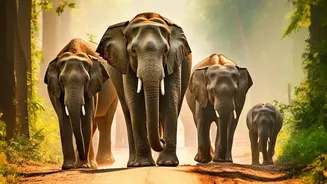
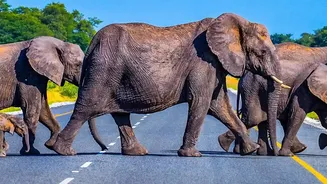
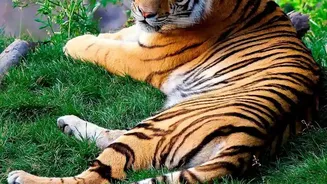
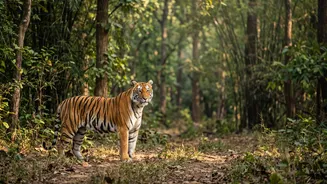
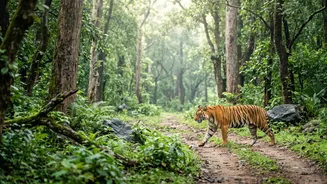
A national park is not one monolithic entity. It is typically divided into multiple tourism zones—core and buffer—to manage visitor flow and minimize disturbance to wildlife. Core zones are the protected heart of the forest with high wildlife density, while buffer zones are on the periphery, where regulated tourism and some human activity may coexist. The safari you book is for a specific zone, and you cannot cross into another. The experience can differ dramatically between zones. In Ranthambore, for instance, the 10 zones have varying terrain and tiger territories, with some offering higher chances of sightings than others. In Corbett, zones like Dhikala are famous for their grasslands and elephant herds, while Bijrani is known for its dense forest. Some parks allocate zones randomly at the time of booking, while others allow you to choose. It's crucial to research the characteristics of each zone. A less-visited buffer zone might offer a more peaceful experience and excellent birding, even if it has a lower probability of a tiger sighting.
Timing Is Everything
India's wildlife calendar is dictated by the seasons. Most national parks close during the monsoon, typically from July to mid-October, as tracks become impassable. The most popular visiting time is the cooler, drier winter period from November to February. The landscape is lush and green post-monsoon, making for beautiful photography, but the dense vegetation can make sightings more challenging. For those purely focused on spotting big cats, the hot summer months of March to June are often considered the best. As water sources dry up, animals congregate around the remaining waterholes, increasing the chances of a sighting. However, the heat can be extreme. Some parks, like Periyar in Kerala, remain open year-round, offering a different kind of experience, such as a boat safari on the lake. Birdwatching also has its own peak seasons, often coinciding with the arrival of migratory species in winter.
The Rules of Responsible Behaviour
A safari is a privilege, and being a responsible tourist is non-negotiable for the well-being of the animals and the conservation of their habitat. Official guidelines are in place for a reason. These include maintaining a safe and respectful distance from animals, not making loud noises, and never getting out of the safari vehicle. The use of flash photography is strictly forbidden. The choice of clothing matters; neutral, earthy colours like khaki, brown, and olive green are recommended to blend in with the surroundings, while bright colours should be avoided. Beyond the official rules, ethical tourism means choosing operators who prioritize animal welfare over guaranteed sightings, and not pressuring your guide or driver to chase an animal or get too close. True appreciation for the wild involves respecting its autonomy and understanding that your presence is a temporary intrusion into the animals' home.