



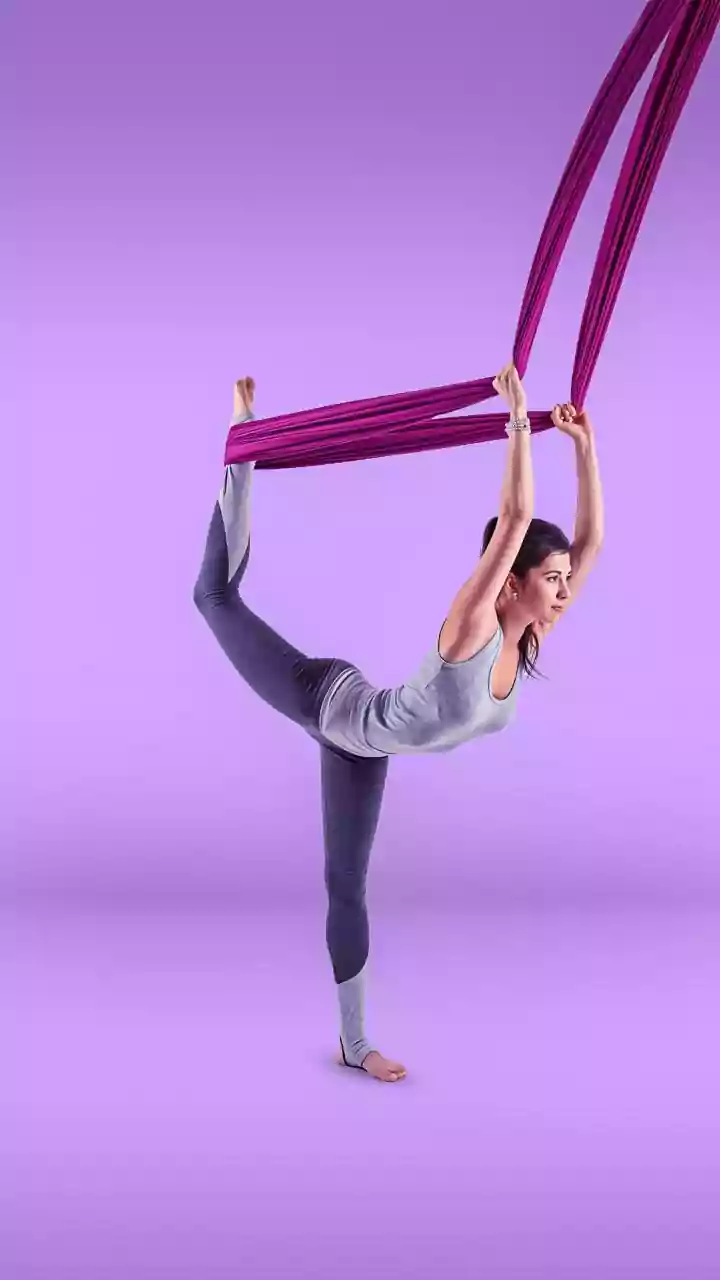



An Unstable Foundation
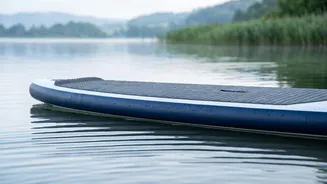
Practicing yoga in a studio provides a solid, predictable surface. Your feet know exactly where the floor is and that it isn't going to move. Floating yoga, or stand-up paddleboard (SUP) yoga, shatters that predictability. A paddleboard on water is a constantly
shifting foundation. Every tiny ripple, gust of wind, or slight shift in your own weight creates instability. This forces your body to abandon its usual autopilot mode for balance and engage in a far more active and conscious process. The constant wobble requires a level of engagement you simply don't experience on solid ground.
Your Sixth Sense: Proprioception
To handle this challenge, your body relies heavily on a 'sixth sense' called proprioception. This is your nervous system's ability to perceive your body's position and movement in space without looking. Nerves in your muscles, tendons, and joints send constant feedback to your brain about their status. On a wobbly paddleboard, this system goes into overdrive. The water's instability provides a constant stream of new sensory information that your brain must rapidly process to keep you from falling. This forces your brain to refine its motor commands, essentially re-learning how to maintain balance in a dynamic environment.
The Core of the Matter
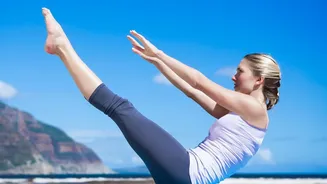
When you hear that SUP yoga is a great core workout, it's not just marketing. Your core muscles—including your abdominals, obliques, and lower back—are the central hub for stability. On an unstable surface, these muscles must fire continuously to transfer force and maintain your center of gravity over the board. Even seemingly simple poses become intense core exercises as your body makes thousands of tiny, unconscious adjustments to stay upright. These are not just the 'six-pack' muscles, but the deep, stabilizing muscles that support your spine and are crucial for good posture and overall functional strength.
The Symphony of Micro-Adjustments
Staying balanced on water isn't about being perfectly still; it's about constant, controlled motion. Your body engages countless small, stabilizing muscles in your feet, ankles, and legs that are often neglected in other forms of exercise. These 'micro-muscles' are always working, making tiny adjustments to counteract the board's movement. This process enhances motor control, or the nervous system's ability to coordinate muscle action. Over time, this intense training sharpens your body's reflexes and improves your balance and coordination in all other physical activities, from walking on uneven ground to playing other sports.
The Benefits of the Wobble
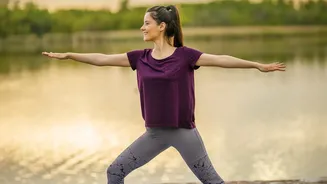
While challenging, the instability of floating yoga is precisely where its unique benefits lie. It forces you into a state of heightened mindfulness, as you can't afford to let your mind wander without risking a splash. This intense focus can be a powerful form of active meditation, reducing stress and improving mental clarity. Physically, the practice builds a different kind of strength—not just in the major muscle groups, but in the intricate network of stabilizers that support them. The result is improved balance, enhanced body awareness, greater core strength, and a deeper connection between mind and body, all while enjoying the serene presence of being on the water.