






A Symbol of Reclaimed Sovereignty
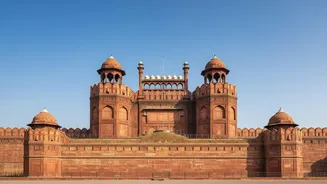
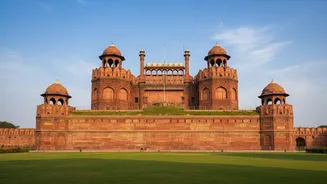
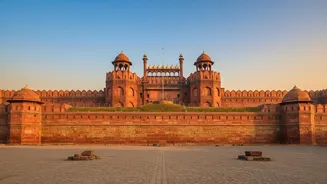
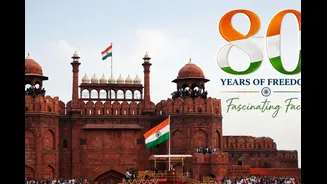
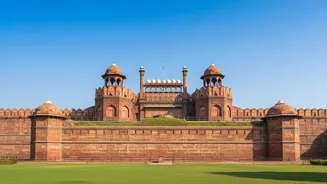
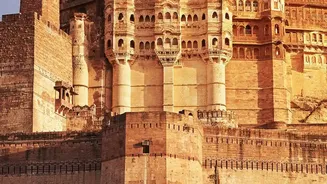
The tradition began on August 15, 1947, when India's first Prime Minister, Jawaharlal Nehru, unfurled the national flag from the ramparts of the Red Fort. The choice of venue was deeply intentional. The Red Fort, or Lal Qila, was built by Mughal emperor
Shah Jahan and served as the seat of their empire for nearly 200 years. Later, it became a powerful symbol of British colonial power, especially after the First War of Independence in 1857, where the last Mughal Emperor, Bahadur Shah Zafar, was made a symbolic leader of the revolt. By hoisting the tricolour there, Nehru was not just celebrating freedom; he was symbolically reclaiming a seat of power that had been lost to foreign rule, transforming a monument of colonial domination into a beacon of Indian sovereignty.
An Unbroken Chain of Command
Remarkably, since Nehru's first address, every single Prime Minister of India has continued the tradition without fail. This unbroken legacy is a powerful statement in itself. Regardless of political party, ideology, or the political climate of the time, leaders from across the spectrum have stood at the same spot to address the nation. This continuity reinforces the idea that the office of the Prime Minister and the unity of the nation transcend partisan politics. The ceremony, which includes a Guard of Honour, the 21-gun salute, and the playing of the national anthem, has become a democratic ritual that signifies the stable and continuous transfer of power and national leadership.
A Direct Conversation with the Nation
The Prime Minister's speech from the Red Fort is more than just a ceremonial address; it is a direct communication with 1.4 billion Indians. It serves as a national report card, where the Prime Minister outlines the government's achievements from the past year, addresses pressing national issues, and lays out a vision for the future. Over the decades, these speeches have become a platform for major policy announcements and social campaigns. Prime Ministers have used this stage to launch everything from the 'Pradhanmantri Jan-Dhan Yojana' for financial inclusion to the Chandrayaan-I moon mission. It provides a unique opportunity for the nation's leader to bypass the formal structures of Parliament and speak directly to the people, setting the national agenda for the year ahead.
The Stage of National Pride
The Red Fort’s significance was further cemented in the national consciousness during the Indian National Army (INA) trials in the 1940s. The trials of INA officers for treason by the British administration at the fort sparked widespread nationalist sentiment, making it a rallying point for resistance. Subhas Chandra Bose's famous call of 'Dilli Chalo' was a resolve to hoist the tricolour atop the Red Fort. When Nehru did just that, it fulfilled a dream cherished by freedom fighters. The annual ceremony is therefore a powerful tribute to the sacrifices of the independence movement and a reaffirmation of national pride. Its image is so central to the national identity that it appears on the ₹500 currency note and was designated a UNESCO World Heritage Site in 2007.