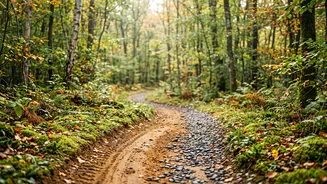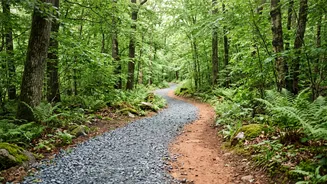







Escaping the noise of daily life for the calm of a nature trail is one of life's simplest pleasures. But getting started can feel daunting. This guide breaks down everything you need to know to step out with confidence and enjoy our green spaces.
Choosing Your First Trail
The key
to a great first hike is picking the right trail. You're looking for something that matches your current fitness level. Start with trails labelled 'easy'—these are typically well-marked, relatively flat, and under 5 kilometres long. Many local parks and nature reserves have beginner-friendly paths. Before you go, do a quick search online for recent trail reviews, check the weather forecast, and most importantly, let a friend or family member know your plan and when you expect to be back. This simple step is a crucial safety measure.
Dressing for Comfort
You don't need expensive gear, but you do need to be comfortable. The golden rule is to avoid cotton, as it holds moisture and can make you feel cold and damp if you sweat or get caught in a light shower. Instead, opt for moisture-wicking fabrics like polyester or merino wool. Think in layers: a base layer shirt, a light fleece or warm mid-layer, and a wind or rain jacket. This allows you to adapt as your body warms up or the weather changes. For your feet, comfortable shoes with good grip are a must. While heavy hiking boots aren't necessary for easy trails, a sturdy pair of sports shoes or trail runners is far better than casual sandals.
Packing Smart Essentials
For a short day hike, you don't need to carry a heavy pack. Focus on the essentials that ensure your safety and comfort. Always carry more water than you think you'll need, along with some high-energy snacks like nuts, fruit, or granola bars. Other key items for your daypack include sunscreen, a hat, a basic first-aid kit, a fully charged phone, and a portable power bank. A small flashlight or headlamp is also a wise addition, just in case your hike takes longer than expected and you find yourself out as dusk approaches.
Respecting the Trail and Others
Part of enjoying nature is helping to preserve it. The guiding principle is 'Leave No Trace'. This means packing out everything you pack in, including all food wrappers and waste. Stay on the designated trail to avoid damaging fragile plants and causing erosion. If you come across wildlife, observe from a distance and never feed them. Also, be considerate of other hikers. Keep noise levels down so everyone can enjoy the sounds of nature. If you need to pass someone, a simple 'excuse me' is polite. Typically, hikers going uphill have the right of way.
More Than Just a Walk
A hike is an opportunity to disconnect from technology and reconnect with your surroundings. Try to be fully present. Instead of listening to music with headphones, listen to the bird calls and the rustle of leaves. Pay attention to the small details—the pattern on a leaf, the texture of tree bark, the way the light filters through the canopy. It can transform a simple walk into a restorative and mindful experience. A hike isn't a race; the goal is not just to finish but to enjoy the journey. Take breaks, soak in the views, and allow yourself to relax.
Commonly Sense Safety
Safety on the trail is mostly about awareness. Watch where you're walking to avoid tripping on roots or loose rocks. Be mindful of your surroundings and know your limits. If you start to feel overly tired, it's okay to turn back. Hiking with a friend is always safer and often more fun than going alone, especially when you're just starting out. If you do get into a minor scrape, your first aid kit will come in handy . For anything more serious , your charged phone is your link to get help .