




A Sudden Jolt, A Stark Reminder
On Tuesday, August 4, 2026, an Air India flight from Phuket to Delhi experienced severe turbulence, causing it to suddenly drop about 300 feet. The violent jolt resulted in injuries to 17 people, including both passengers and crew members, who required
medical attention upon landing. Passengers described a chaotic scene, with those not buckled in being thrown around the cabin, leading to injuries and damage to the aircraft's interior. The incident, which happened during the cruise phase of the flight, serves as a powerful reminder that smooth skies can turn violent without warning.
The Invisible Threat: Clear-Air Turbulence
Many turbulence-related incidents, like the one on the recent Air India flight, are not caused by thunderstorms or visible weather. They are the result of Clear-Air Turbulence, or CAT. CAT is the turbulent movement of air when bodies of air moving at different speeds meet, often near jet streams at high altitudes. Because it occurs in cloudless skies, it is invisible to the eye and very difficult for pilots to detect with conventional radar. This unpredictability is precisely why aviation authorities stress constant vigilance. The pilots often have little to no time to provide a warning before the aircraft hits a turbulent patch.
What Experts Have Said All Along
Aviation regulatory bodies like the Federal Aviation Administration (FAA) in the US have consistently identified turbulence as the leading cause of injuries to passengers and cabin crew on commercial flights. From 2008 to 2022, turbulence accounted for over a third of all accidents on major air carriers that resulted in at least one serious injury. The overwhelming majority of these serious injuries are sustained by people who are not wearing their seatbelts. Flight attendants are particularly vulnerable; studies show their injury rate from turbulence is significantly higher than that of passengers, as their duties often require them to be standing or moving through the cabin.
Beyond the Light: A New Default Setting
If the advice is so clear, why do so many people unbuckle the moment the light goes off? It's a combination of seeking comfort on long flights and a false sense of security. We see a clear sky out the window and assume the danger has passed. However, as incidents of CAT show, this is a flawed assumption. The only way to ensure safety is to shift your mindset. Instead of viewing the seatbelt as a temporary instruction, treat it as your default state while seated, just as you would in a car. The seatbelt sign should be seen as a final, urgent command to be buckled, not the only reason to do so.
Simple Steps for Safer Flying
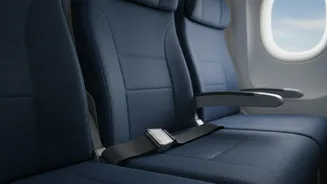
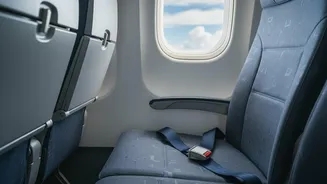
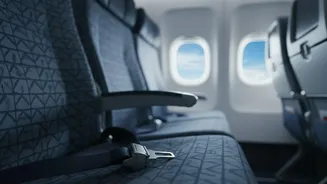
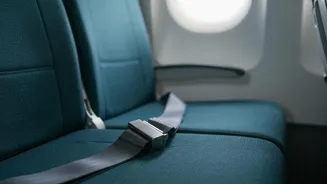
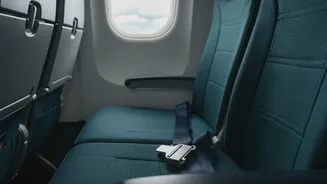
Making this a habit doesn't have to mean sacrificing comfort. The most common advice from seasoned flyers and safety experts is to keep your seatbelt fastened loosely whenever you are in your seat. If you're using a blanket, fasten the belt over it. This not only keeps you secure but also makes it visible to the cabin crew, so they don't have to wake you to check during a safety scan. Adjust the belt so it sits low and tight across your hips, not your stomach. Thinking of the seatbelt as a non-negotiable part of being in a moving vehicle—whether on the ground or at 35,000 feet—is the simplest and most effective safety measure you can take.