

Shop Smart, Not More
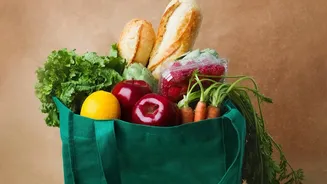
The foundation of affordable nutrition starts long before you enter the kitchen—it begins at the market. The first rule is to plan your meals for the week. A simple list prevents impulse buys, which are often processed, expensive, and unhealthy. Before
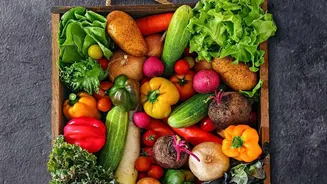
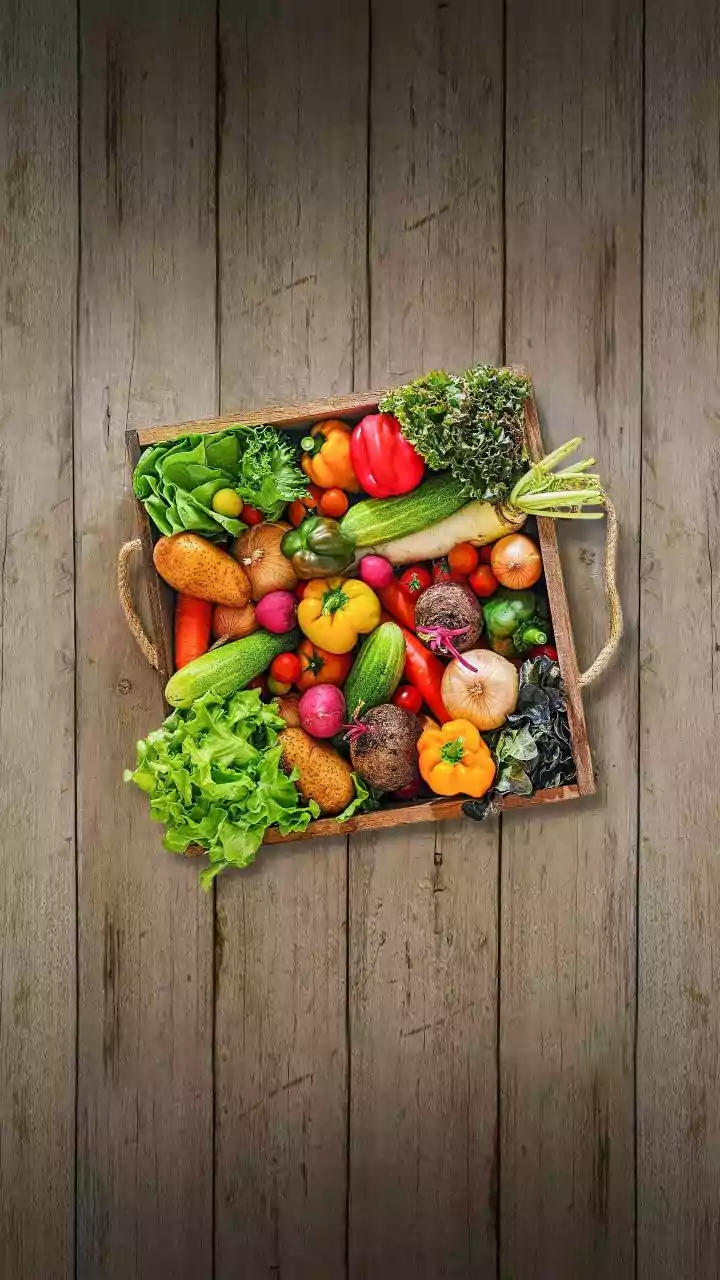
you shop, take a quick inventory of your pantry and fridge to avoid buying duplicates. Prioritise seasonal and local produce, as these are almost always fresher, cheaper, and more nutritious. Visiting your local sabzi mandi can lead to better prices compared to supermarkets. Don't be fooled by bulk-buy offers on perishable items; a large bag of vegetables is not a saving if half of it spoils. For non-perishables like dals, rice, and atta, however, buying in larger quantities can often reduce the per-unit cost. Finally, consider store brands over premium labels for staples, as they often offer similar quality at a lower price.
Build a Balanced, Budget-Friendly Thali
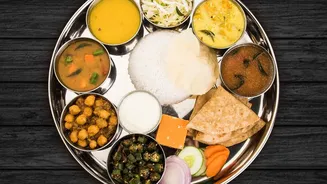
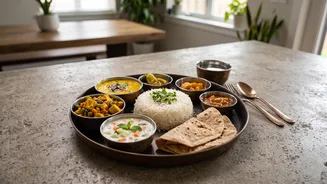
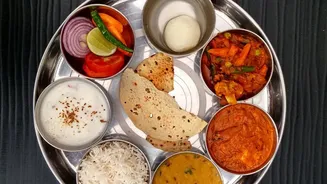
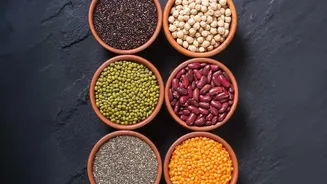
A nutritious Indian meal is all about balance. The traditional thali is a perfect model, combining carbohydrates, proteins, fats, and fibre. The key is to make vegetables and salads the star of the plate, not just a small side dish. Fill at least half your plate with seasonal sabzis and fresh salads. For protein, you don’t need expensive supplements. Everyday Indian staples like lentils (dal), chickpeas (chana), kidney beans (rajma), and soya are excellent, affordable sources of protein and fibre that keep you feeling full for longer. Combining a cereal like rice or roti with a pulse like dal creates a more complete protein profile. Incorporating millets such as jowar, bajra, and ragi a few times a week is another cost-effective way to boost nutrition. Cooking in batches is a powerful strategy; a large pot of dal or chana masala can be used for several meals, saving time and energy.
Waste Less, Save More
One of the biggest hidden costs in any kitchen is food waste. The average household often throws away food without realising the cumulative financial impact. This isn't about large-scale spoilage but the small things: the coriander that wilts, the leftover rice, or the half-used tub of curd. Proper storage is crucial. Leafy greens last longer when washed, dried, and stored in a cloth bag or a container lined with a paper towel. Store onions and potatoes separately in a cool, dark place to prevent them from sprouting. Get creative with leftovers. Yesterday's dal can be thickened to fill a paratha, leftover rice can become fried rice, and leftover chapattis can be cut into strips and sautéed with spices to make a noodle-like snack. Embracing a 'root-to-leaf' cooking approach, where you use all parts of a vegetable, also significantly cuts down on waste. For instance, the stems of coriander can be used in chutneys and vegetable peels can be used to make a flavourful broth.