





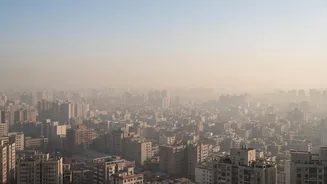

The High Cost of Breathing
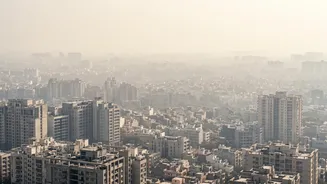
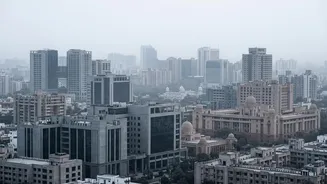
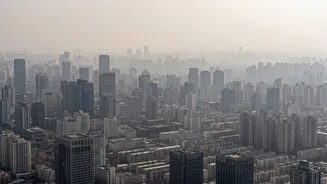
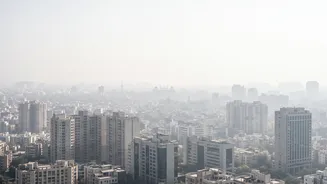
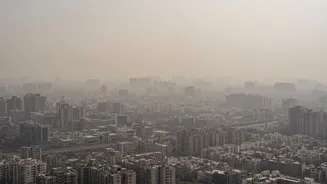
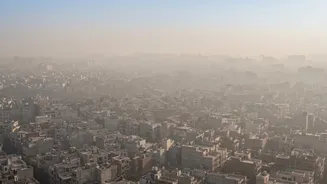
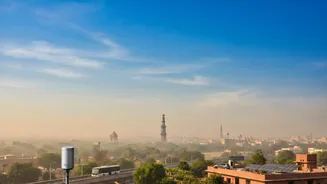
Delhi’s air is a well-documented public health crisis. The primary villain is PM2.5, a cocktail of microscopic pollutants so fine they can bypass the body's natural defences, lodging deep in the lungs and entering the bloodstream. This constant exposure
is linked to a devastating range of illnesses, from chronic asthma and reduced lung capacity to severe cardiovascular events like heart attacks and strokes. Studies have shown that Delhi’s concentration of these dangerous particles often exceeds national and international safety guidelines by a staggering margin, making every breath a potential risk. The issue stems from a complex mix of sources, including relentless traffic, industrial emissions, dust from construction, and seasonal crop burning in neighbouring states, creating a year-round challenge that peaks in the winter months.
A Conditional Promise of Cleaner Air
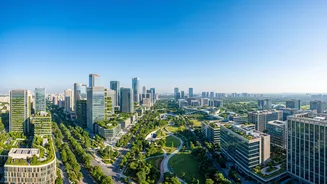
A new global report from the UN Environment Programme (UNEP) and the Climate and Clean Air Coalition (CCAC) has placed a specific number on what's at stake for Delhi. Titled 'Hidden Assets: The Economic and Health Case for Climate and Clean Air Action', the study projects that Delhi can reduce its cumulative PM2.5 exposure burden by 20% by the year 2040. This isn't a guaranteed forecast but a conditional one. The reduction is only possible if the region successfully implements and achieves its national air quality standards on schedule, beginning in 2026. The report acts as both a roadmap and a warning, highlighting a clear opportunity while emphasizing that the window for meaningful action is closing fast.
The Crucial Cost of Delay
The report's most urgent message lies in its analysis of inaction. It warns that an implementation delay of about eight years—which is the expected global average due to institutional and economic hurdles—would have severe consequences. In such a scenario, the potential reduction in Delhi's PM2.5 exposure burden would be slashed in half, dropping from 20% to just 10%. This would translate directly into substantially greater health impacts and economic losses over the period. Essentially, every year that passes without decisive implementation means the problem deepens, the health costs mount, and the ultimate goal of breathable air slips further away. The findings frame delay not just as procrastination, but as an active choice that worsens public health outcomes.
The 25-Point Action Plan
So what does 'timely action' look like? The report doesn't just identify the problem; it outlines 25 specific, feasible solutions that tackle air pollution and climate change simultaneously. These measures span the most critical sectors. For transport, it calls for stricter vehicle emission standards and a rapid transition to electric vehicles. In energy, the focus is on scaling up renewable power and improving energy efficiency in industries and homes. The plan also addresses other key sources, recommending better management of agricultural and solid waste to stop routine burning, promoting clean cooking solutions, and reducing methane leaks from energy production. The strategy is integrated, recognizing that Delhi's air crisis cannot be solved by targeting a single source.
More Than Just Health
While improved health is the most compelling reason to act, the UNEP report makes a strong economic case as well. It argues that treating clean air as an investment yields massive returns. Globally, the analysis found that every dollar invested in these integrated measures could generate up to fifteen dollars in economic benefits, factoring in reduced healthcare costs and increased productivity. Forgoing these actions has the opposite effect, creating a drag on the economy. By framing the solution in economic terms, the report aims to convince policymakers that the cost of cleanup is far less than the long-term price of pollution. It reframes the issue from an environmental expense to a vital economic and social asset.