






The Gift of Sargi
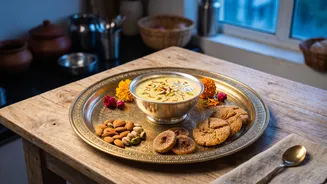
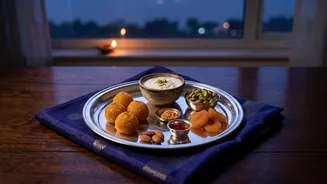
The rituals of Karwa Chauth begin before the sun rises with a special meal known as Sargi. Traditionally, this is a thali (platter) of food and gifts prepared by a mother-in-law for her daughter-in-law. More than just a meal, Sargi is a gesture of love,
blessings, and care, symbolising the beautiful bond between them. It is a way of wishing the daughter-in-law strength and happiness as she undertakes the day-long fast. For new participants, receiving the first Sargi is often an especially cherished moment that marks their inclusion in a significant family tradition. In modern times, with families living apart, Sargi is often sent from a distance or self-prepared, but the loving intention remains the same.
Why Sargi Is Crucial
The Karwa Chauth fast is a 'nirjala vrat', meaning it is observed without consuming any food or even a drop of water from sunrise until moonrise. This makes the pre-dawn Sargi incredibly important from a practical standpoint. The meal is designed to provide sustained energy and hydration to help the woman observing the fast get through the day comfortably, without feeling overly fatigued or dizzy. A well-balanced Sargi helps prevent issues like acidity and headaches that can arise during a strict fast. Essentially, the food eaten in these quiet, early hours is what fuels the body for the entire day of devotion.
What's in a Traditional Sargi Thali?
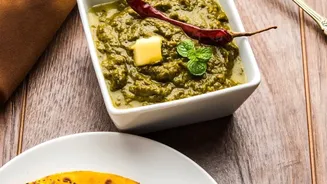
A Sargi thali is thoughtfully curated to be both nourishing and auspicious. While items may vary by family and region, a typical thali includes a balance of foods. Fresh fruits like pomegranates, bananas, and apples provide natural sugars and hydration. A handful of dry fruits such as almonds, cashews, and walnuts offer healthy fats and sustained energy. You will often find something sweet, like 'pheni' (a type of vermicelli) prepared in milk, or other traditional mithai like ladoos or barfi. To make the meal more substantial, a savoury item like 'mathri' (a crisp, savoury cracker) or a simple paratha is often included. These components work together to ensure you feel full and energised for hours.
During the Day: Rest and Ritual
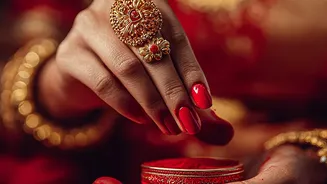
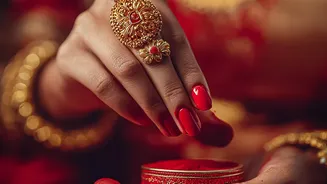
The day of Karwa Chauth is meant to be spent in a spirit of reflection and community, rather than on strenuous household chores. Women often gather to apply mehndi (henna) on each other’s hands. The day is a time to connect with friends and relatives, sharing stories and preparing for the evening ceremony. Many women also receive gifts, or 'Baya', from their parents during the day, which adds to the festive atmosphere. It is a day of beauty and adornment, with women dressing in fine traditional attire, often in auspicious colours like red or gold, complete with jewellery and bangles.
The Evening Puja and Katha
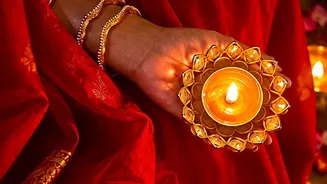
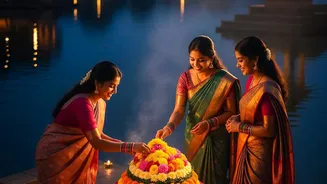
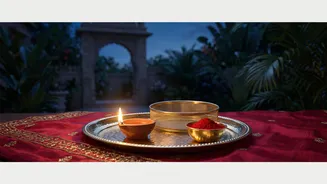
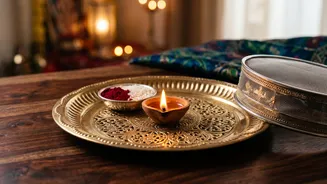
As dusk approaches, the main ceremony begins. Women gather in a circle, usually at someone's home, with their decorated puja thalis. The thali typically contains a diya (lamp), incense, sweets, fruits, and the 'karwa' — a small earthen pot filled with water that is central to the ritual. A significant part of the puja is the narration of the Karwa Chauth 'katha' (story). Often, an older woman or a priest recites the legend of Queen Veeravati, a story of devotion and resilience that is central to the festival's lore. During the ceremony, the women often pass their thalis around the circle, singing traditional songs.
Breaking the Fast After Moonrise
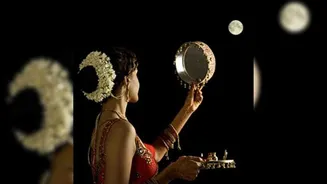
The fast concludes only after the moon is visible. Upon sighting the moon, the woman observing the fast views its reflection, often through a sieve or 'channi', and then looks at her husband through the same sieve. She offers prayers and water ('arghya') to the moon for the well-being and long life of her husband. Following this ritual, the husband offers his wife her first sip of water and a bite of food, breaking her day-long fast. This moment is a tender culmination of a day of discipline and devotion, reinforcing the bond the festival celebrates.