







Why Strawberries, Why Now?
For decades, strawberry cultivation in India was synonymous with a small belt in Maharashtra. Today, thanks to innovative farming techniques and resilient plant varieties, a new story is taking root. Farmers in states like Uttar Pradesh, Rajasthan, Bihar,
and even semi-arid regions are successfully cultivating this high-value crop. This shift is driven by a desire for crop diversification, higher income potential compared to traditional crops, and a growing domestic demand for fresh, locally-sourced produce. The term 'indigenous' here refers not to the fruit's origin—most commercial varieties are imported—but to the incredible, localized efforts to adapt its cultivation across India's diverse climates.
Is Strawberry Farming Right for You?
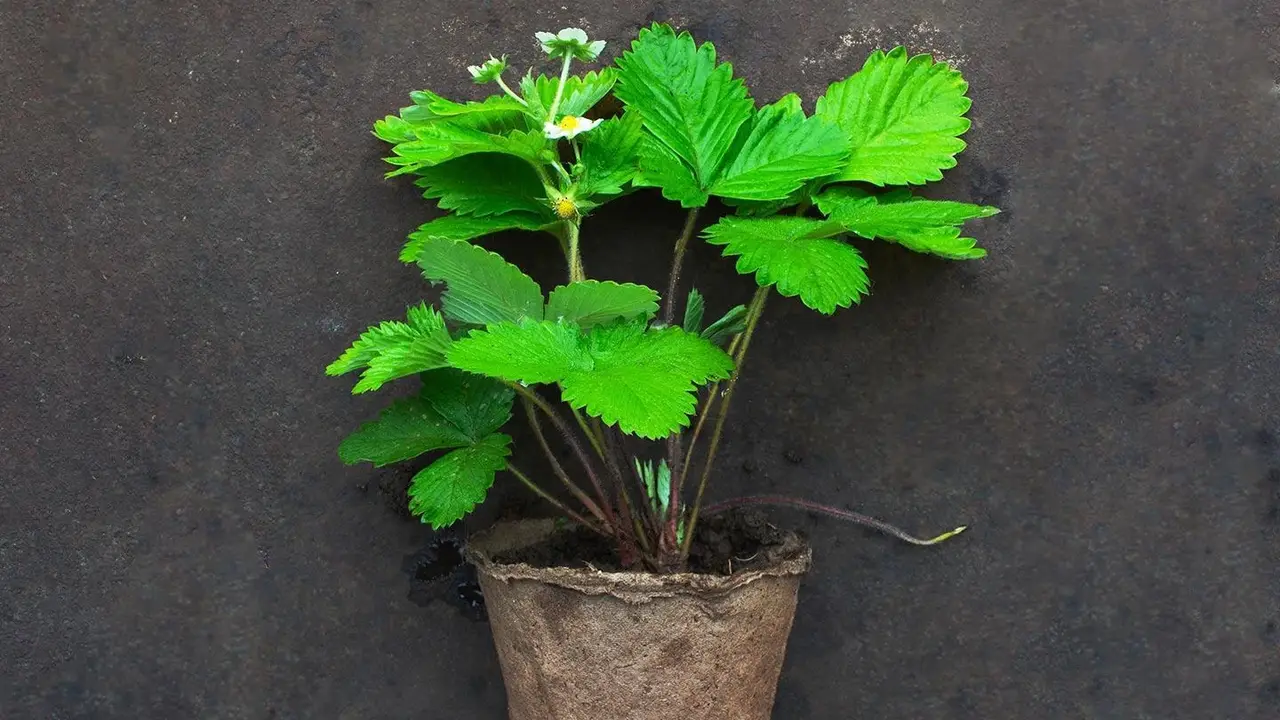
Before you invest, it's crucial to assess your resources. Strawberries thrive in cooler temperatures, ideally between 15 to 25 degrees Celsius, and require well-drained sandy loam soil with a pH of 5.5 to 6.5. While modern techniques like low tunnels and polyhouses can help manage environmental factors, the fundamentals of soil and water are key. This is not a low-effort crop; it demands significant initial investment and careful management. The primary method of propagation is through runners (saplings), not seeds, which should be sourced from a reputable nursery to avoid disease. If you have a small plot, access to consistent water, and are prepared for a hands-on approach, strawberries can be a rewarding venture.
A Starter Guide to Cultivation
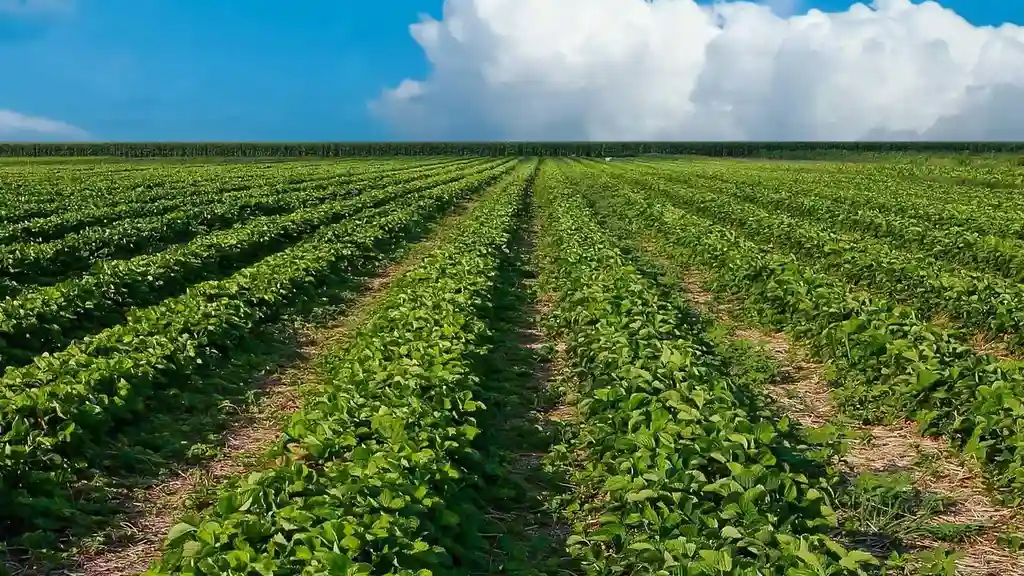
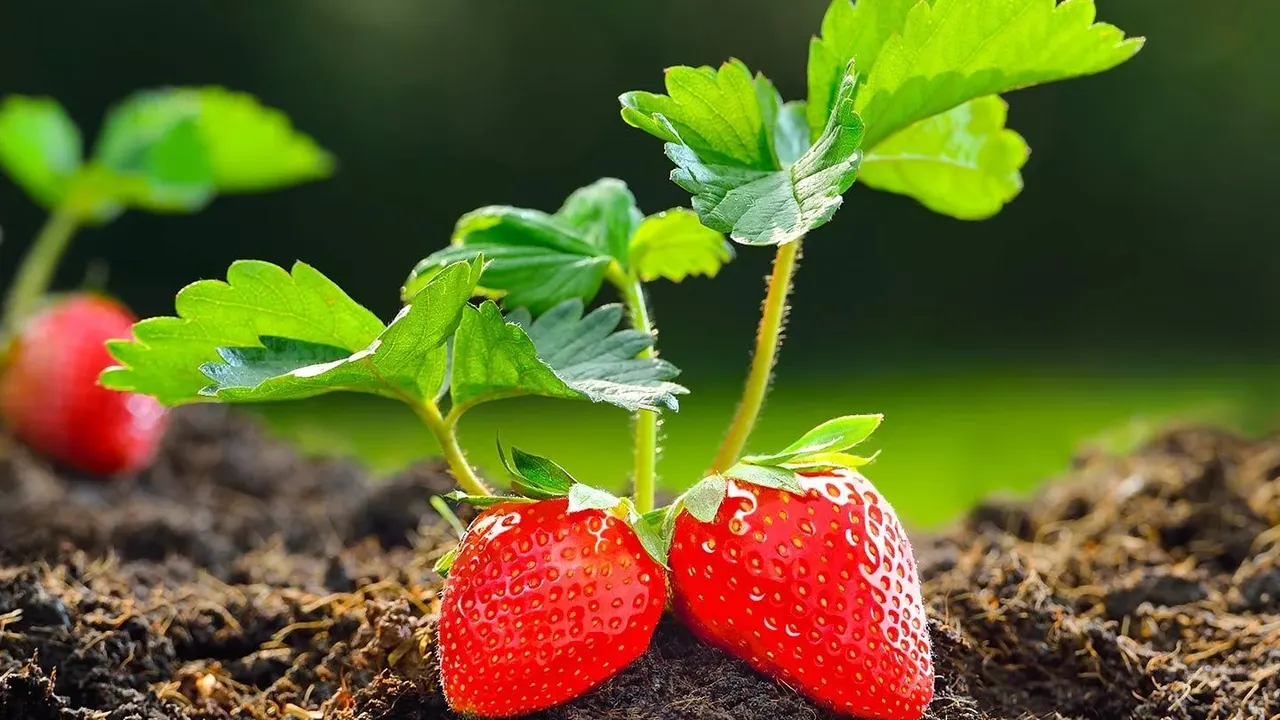
The planting season varies by region: August-September for hilly areas and October-November for the plains. The process begins with preparing raised beds enriched with organic matter. A critical component for success is mulching—using a plastic sheet (often silver-and-black) to cover the soil. This technique conserves moisture, prevents weed growth, and keeps the delicate fruit from touching the soil, which reduces spoilage. Drip irrigation is essential, as it provides water directly to the roots without waterlogging the plant or wetting the fruit, which can cause fungal diseases. Plants are typically spaced about 30 cm apart, allowing for around 20,000 plants per acre in an open-field system. Harvesting begins within a few months, requiring careful hand-picking every second or third day, preferably in the cool morning hours.
The Economics: Investment and Returns
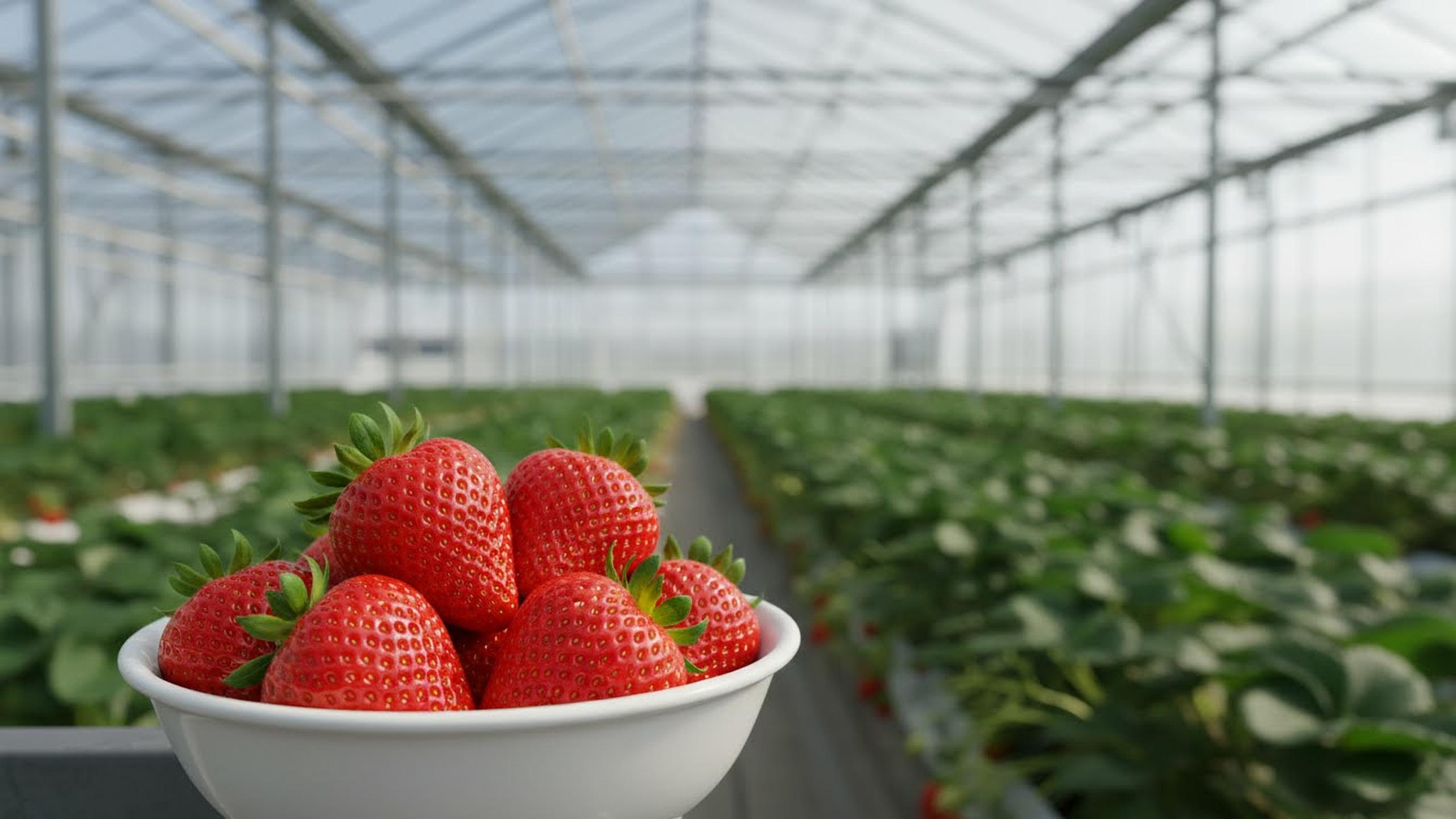
Strawberry farming is a high-investment, high-return business. The initial cost for one acre can be substantial, with major expenses being planting material (runners), irrigation setup, and land preparation. However, the returns can be impressive. Farmers report a wide range of profits, from over ₹3.5 lakh per acre for a well-managed open-field crop to significantly more with protected cultivation in polyhouses. In some successful soilless polyhouse models, net profits from just half an acre have been documented at between ₹10-15 lakh. The final profit depends heavily on yield, fruit quality, and your ability to connect directly with markets, bypassing intermediaries to get a better price.
Finding Government and NGO Support
You don't have to go it alone. The Indian government, through schemes like the Mission for Integrated Development of Horticulture (MIDH), provides significant financial assistance. Farmers can avail subsidies of up to 50% on planting material, polyhouses, and drip irrigation systems, with higher percentages available for hilly regions or specific communities. State governments in places like Bihar and Uttar Pradesh also have specific missions to promote strawberry cultivation with subsidies on costs. Furthermore, NGOs and foundations are playing a vital role, providing training in organic farming, soil preparation, and creating market linkages for small farmers, especially women's groups.
For the Food Lover: The Taste of Local Success
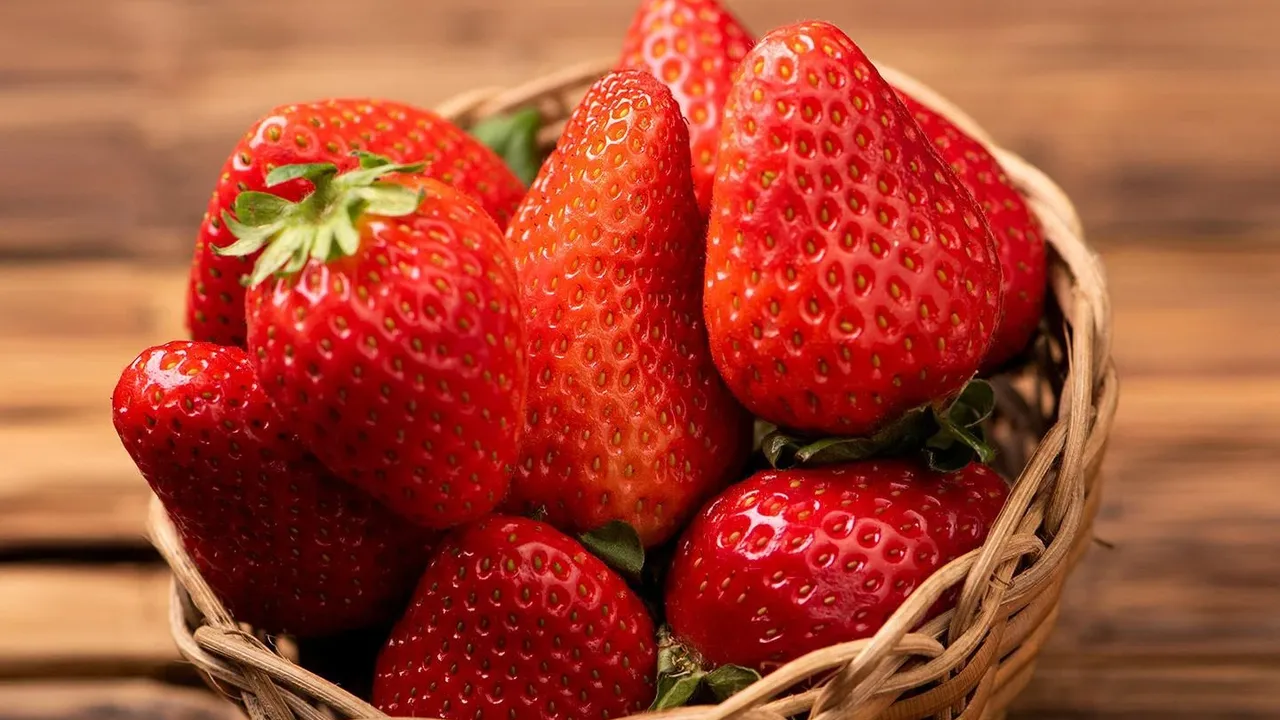
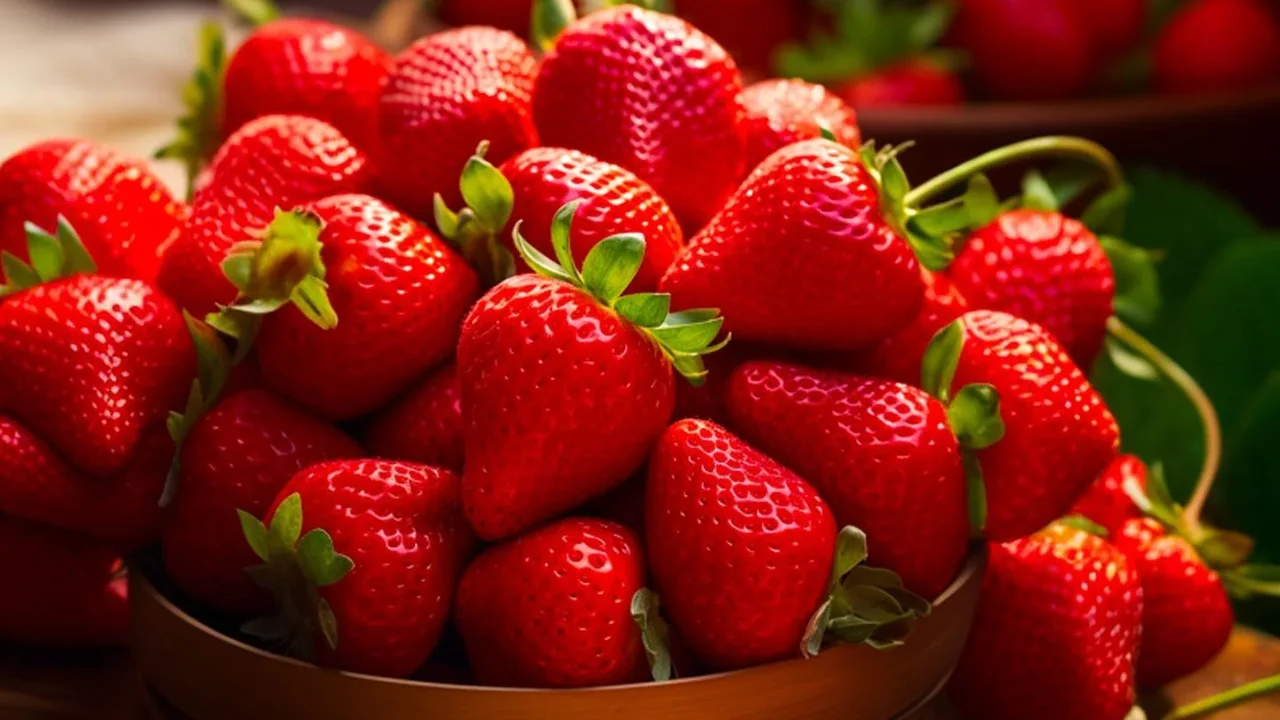
For consumers, this movement is about more than just fruit. It’s about the joy of tasting a berry that was picked just a day or two ago, bursting with a freshness that imported varieties can't match. When you buy from these local projects, you're not just getting a delicious, healthy fruit rich in Vitamin C; you're supporting a farmer's journey towards economic independence. Look for these berries at local farmers' markets or through direct-to-consumer platforms. They are perfect eaten fresh, but also make incredible jams, desserts, and smoothies. Each punnet tells a story of innovation, hard work, and the sweet success of Indian agriculture.