









What Is the Latest on Storm Akvan?
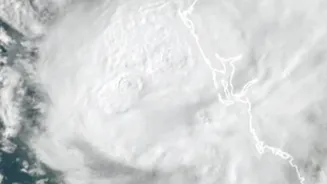
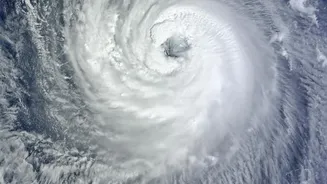
As of late Wednesday, November 18, the India Meteorological Department (IMD) confirmed that Akvan had intensified into a Severe Cyclonic Storm. It was located over the west-central Bay of Bengal, approximately 480 km southeast of Narsapur in Andhra Pradesh
and 600 km south of Gopalpur in Odisha. The storm has been moving at a slow pace, which can sometimes allow a cyclone to gather more energy from warm ocean waters. However, the IMD has recently revised its forecast, indicating the storm is now expected to make landfall as a severe cyclonic storm, rather than intensifying further into a 'very severe' one.
Where Is It Headed and When Will It Arrive?
The projected path of Storm Akvan has been a key point of focus, with forecasts being updated as the system evolves. The latest IMD bulletin predicts that the storm will move north-northwestwards and cross the coast between Narsapur in Andhra Pradesh and Puri in Odisha. The expected landfall is now anticipated around noon on Friday, November 20. This represents a slight shift in the storm's trajectory, prompting authorities in both Andhra Pradesh and Odisha to heighten their preparedness measures.
What Kind of Impact Is Expected?
Upon making landfall, Storm Akvan is expected to bring maximum sustained wind speeds of 90-100 kmph, with gusts reaching up to 110 kmph. The IMD has issued alerts for significant weather disturbances along the coast. Heavy to extremely heavy rainfall is predicted for several districts in both Andhra Pradesh and Odisha on November 19 and 20. An Orange Alert is in effect for the coasts of Andhra Pradesh and adjoining South Odisha. Authorities have warned of potential localised flooding, damage to crops and temporary structures, and disruptions to traffic. The sea conditions are expected to be very rough to phenomenal, and fishermen have been strictly advised not to venture into the Bay of Bengal.
How Are Authorities Preparing?
State governments in the storm's path are taking no chances. In Odisha, authorities have initiated a significant evacuation effort, moving around 50,000 people from vulnerable low-lying and landslide-prone areas to safer shelters. The government has also closed schools in six districts, suspended employee leave, and deployed senior officials to oversee preparations. Both Andhra Pradesh and Odisha have positioned National Disaster Response Force (NDRF) and State Disaster Response Force (SDRF) teams for rescue and relief operations. Emergency helpline numbers have been activated for residents needing assistance. These pre-emptive measures are aimed at achieving 'zero casualties' and minimising the storm's impact.
Why the Name 'Akvan'?
The name 'Akvan' was contributed by Iran as part of the rotating naming system for cyclones in the North Indian Ocean region. The name has roots in Persian mythology, referencing a demon-like character from the epic poem 'Shahnameh'. This system, managed by the IMD and 12 other nations, uses a pre-approved list of names that are short and easy to communicate, ensuring clarity in public warnings.